Aug 28, 2026News & Insights
Why Should You Make Custom T-Shirts for Your Business?
Custom T-shirts build brand visibility, strengthen team identity, and deliver lasting marketing value through quality, wearable designs and strategic printing.
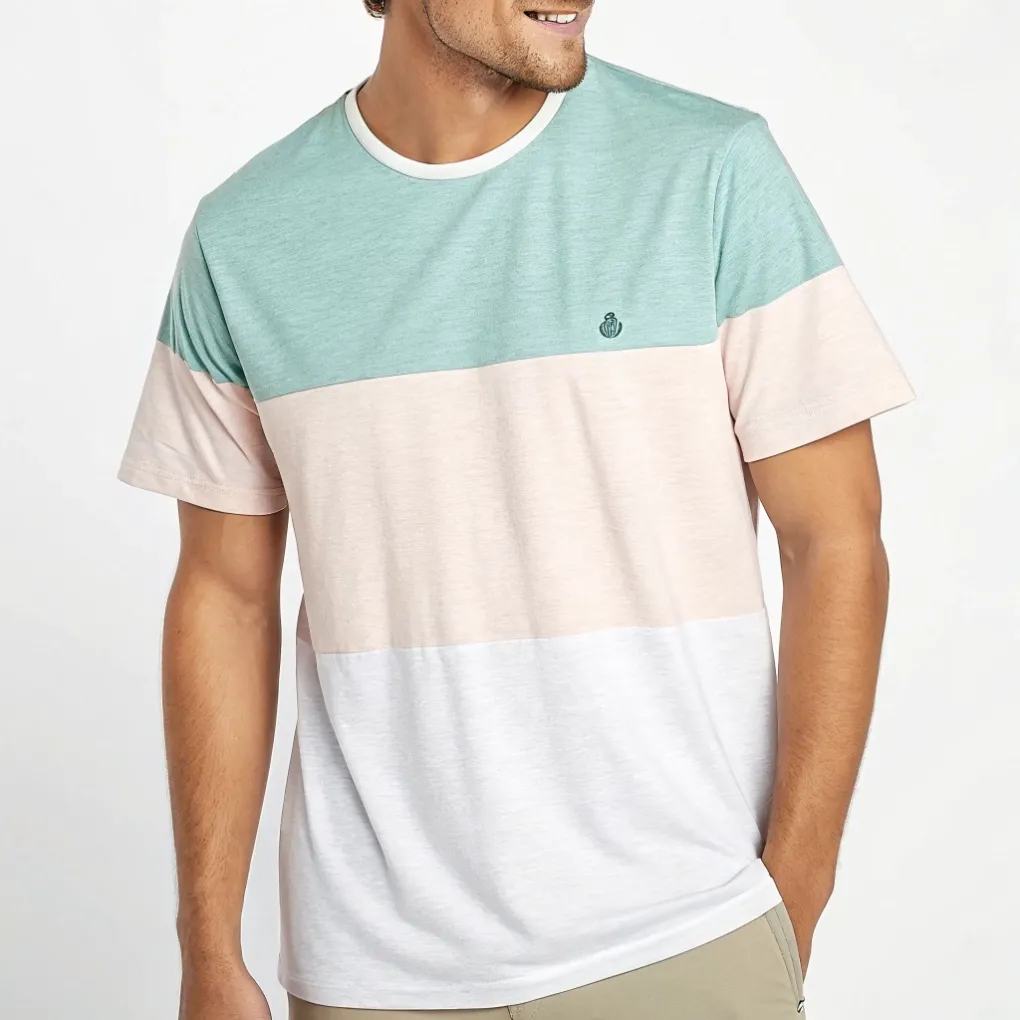
Why Should You Make Custom T-Shirts for Your Business?
Are you wasting marketing funds on cheap promotional shirts that end up as cleaning rags? Low-quality apparel damages your brand image and fails to generate lasting customer interest.
You should make custom T-shirts for your business because they provide continuous walking brand exposure, build strong employee unity, create instant staff identification at events, and deliver high-return, cost-effective long-term marketing.
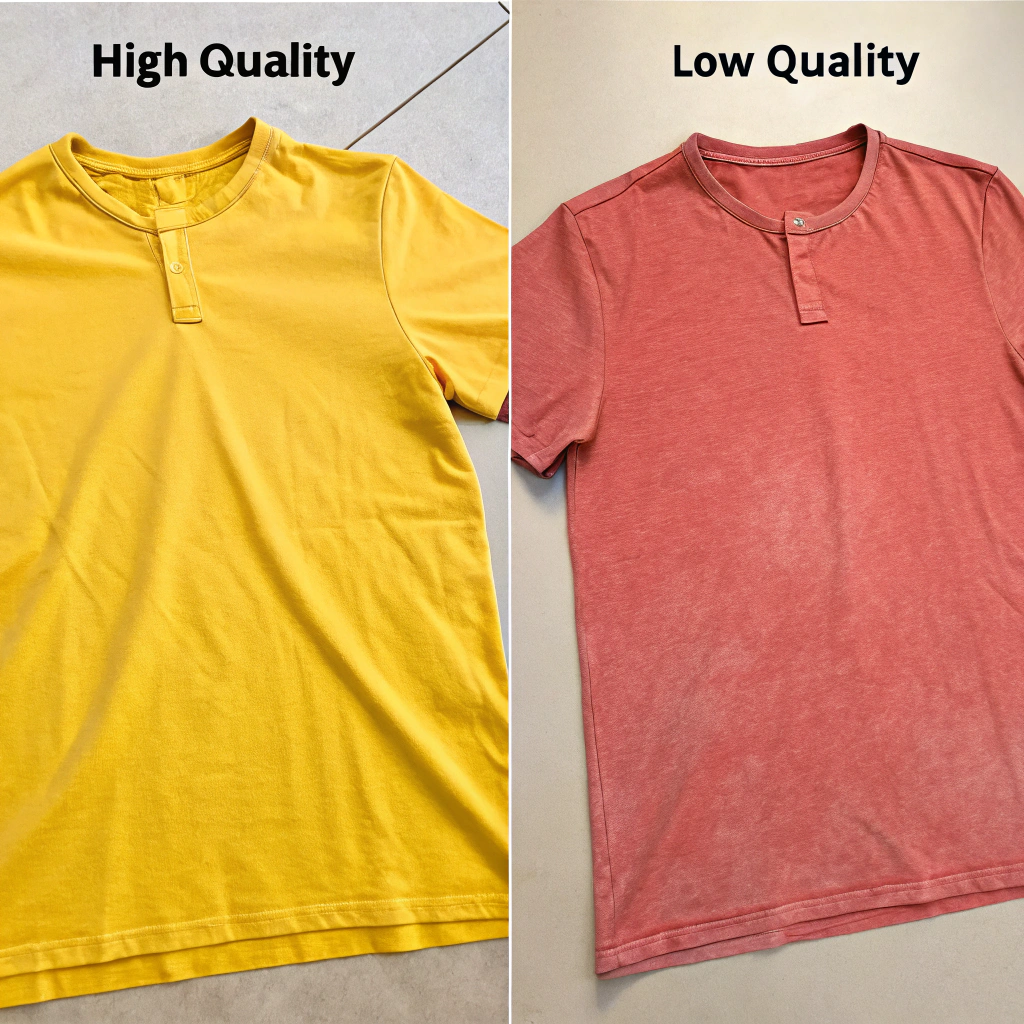
When I worked on the floor of a printing factory years ago, I saw many companies treat shirts like cheap billboards. A custom shirt is not just an ad; it is personal clothing. Let us look at why custom apparel works so well and how you can create shirts that people love to wear.
What Makes a Successful T-Shirt Design?
Do your branded shirts look cluttered because you try to squeeze too many marketing messages onto the fabric? Overcrowded graphics turn wearable apparel into unwanted advertisements that nobody wears in public.
A successful T-shirt design uses balanced typography, subtle logo placement, high color contrast, breathable print methods, and comfortable lifestyle-focused aesthetics that wearers happily integrate into their daily wardrobes.
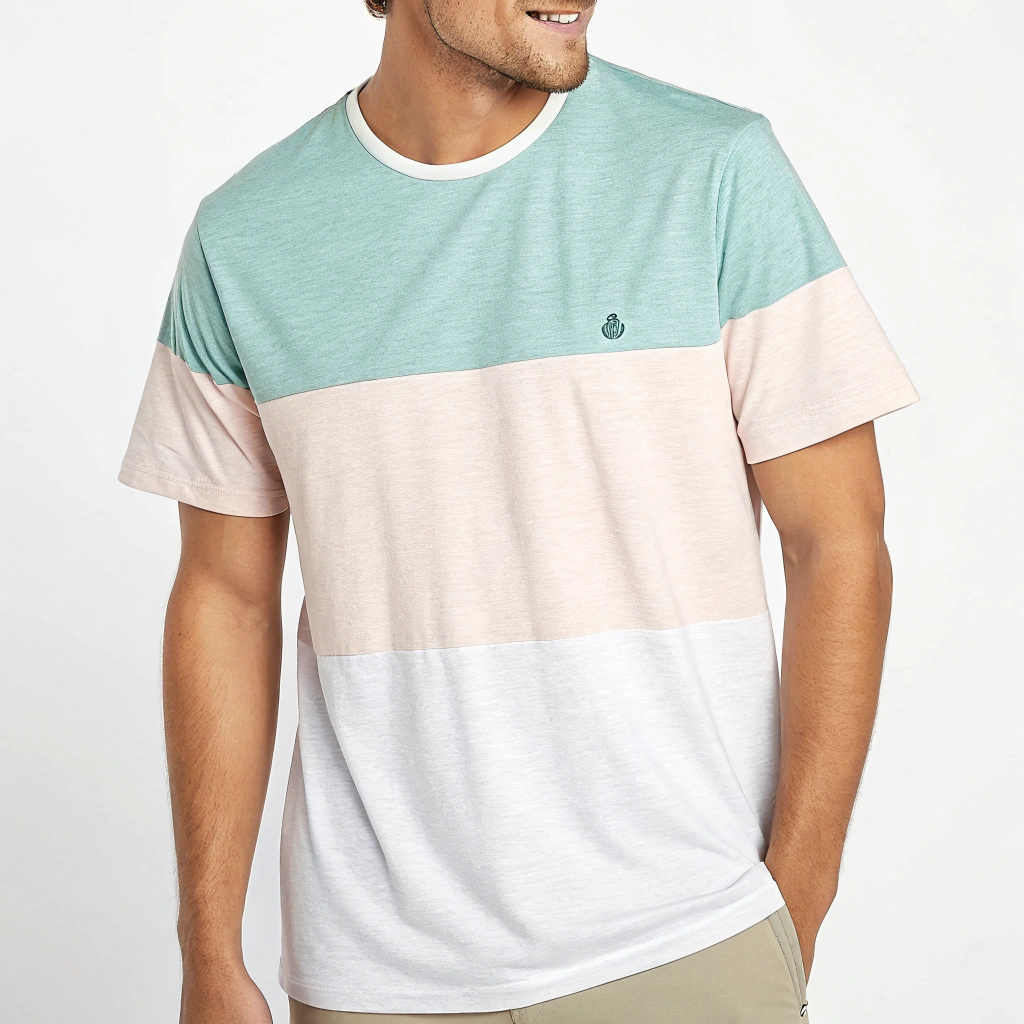
The Power of Restraint and Wearable Aesthetics
A shirt must be designed for the person wearing it rather than the corporate marketing department. When I talk with brand managers like Jacky, I always ask a simple question: would someone wear this shirt if the company logo were removed? If the answer is yes, you have created a truly great piece of merchandise.
Focus on minimalist layouts and premium decoration methods. A small embroidered emblem on the left chest or a clean graphic on the upper back looks far more professional than a huge corporate banner across the chest. Choosing tasteful, muted color palettes that match regular streetwear turns a promotional shirt into a favorite weekend garment.
Design Element | Common Outdated Approach | Successful Modern Approach | Long-Term Brand Result |
|---|---|---|---|
Logo Size & Placement | Giant full-chest screen print | Small left-chest print or subtle sleeve mark | Higher everyday wear frequency |
Typography | Dense paragraphs with contact info | Clean brand slogan or single core statement | Clear and instant visual recall |
Color Scheme | Clashing bright primary corporate tones | Muted neutral tones (Black, Navy, Heather) | Matches casual daily outfits |
Print Texture | Thick, heavy rubber plastisol ink | Soft-feel water-based ink or embroidery | Maximum skin comfort and airflow |
How Can I Start My Own Custom T-Shirt Business?
Are you feeling overwhelmed by the cost of heavy industrial machinery and complex garment supply chains? Starting a custom apparel business requires clear planning, reliable suppliers, and the right printing methods.
You can start a custom T-shirt business by finding a clear niche audience, sourcing quality garment blanks, setting up an e-commerce storefront, and partnering with dependable print-on-demand or local screen-printing vendors.

Building a Scalable Apparel Production Workflow
Starting an apparel line begins with understanding your core customer niche. Whether you serve corporate clients, fitness clubs, or local artists, your business model determines your production setup. Many beginners start with print-on-demand fulfillment because it removes inventory risks and upfront equipment costs.
As your order volume expands, moving to bulk wholesale sourcing and dedicated print shops lowers your per-unit costs and improves print consistency. You must test multiple garment blanks for shrinkage, colorfastness, and seam durability. Always order physical strike-off samples before launching a full production run to guarantee that your finished apparel matches your vector designs.
Business Model | Upfront Capital Required | Production Lead Time | Profit Margin Potential |
|---|---|---|---|
Print-on-Demand (POD) | Very Low (Zero inventory) | 3 to 7 Business Days | Moderate (Higher per-unit cost) |
Bulk Contract Printing | Moderate (Order minimums apply) | 7 to 14 Business Days | High (Low wholesale pricing) |
In-House Direct-to-Film | High (Printer and heat press gear) | Immediate on-demand | Very High (Full production control) |
Cut-and-Sew Custom | High (Custom fabric patterns) | 4 to 8 Weeks | Maximum (Fully bespoke products) |
What Are Some Important Rules for Designing a T-Shirt?
Have you ever washed a brand-new branded shirt only to find the print cracked and the fabric out of shape? Ignoring basic apparel design rules ruins your investment and creates negative brand associations.
The most important rules for designing a T-shirt are prioritizing fabric quality like combed ring-spun cotton, choosing the right print method for your artwork, designing in high-resolution vector formats, and placing graphics proportionally.
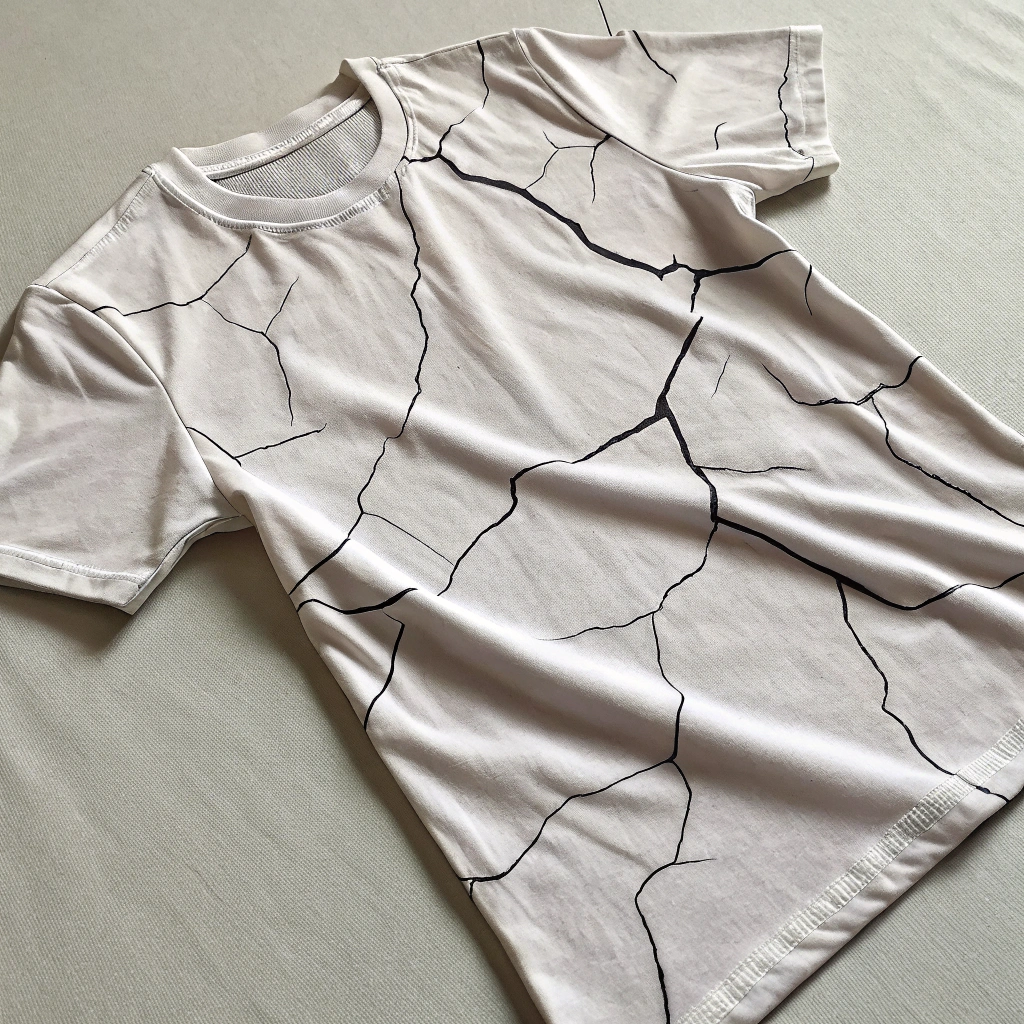
Fabric Selection, Art Preparation, and Print Techniques
The cheapest shirt is rarely the best marketing choice. A stiff, itchy shirt with a thick rubbery print traps heat and gets thrown away quickly. For premium daily wear, choose 100% combed ring-spun cotton or cotton-poly blends between 160 and 190 GSM. These fabrics feel soft, resist shrinking, and maintain their shape after dozens of laundry cycles.
You must also match your design artwork to the right production technique. Detailed photographic artwork needs Direct-to-Garment (DTG) or Direct-to-Film (DTF) printing, while solid spot-color logos look crispest with traditional silkscreen printing. Always build your artwork in vector formats at 300 DPI to avoid blurry edges and pixelated text during printing.
Print Method | Best Artwork Type | Durability & Feel | Ideal Base Garment |
|---|---|---|---|
Silkscreen Printing | Bold 1 to 4 color spot graphics | Excellent durability; soft hand feel | 100% Cotton heavy tees |
Direct-to-Film (DTF) | Multi-color logos and fine gradients | High stretch and sharp detail | Cotton, polyester, and blends |
Computerized Embroidery | Small logos and simple text | Extremely durable; premium 3D look | Heavyweight tees, polos, jackets |
Sublimation Printing | Full-color all-over photographic art | Permanent ink; completely breathable | 100% Performance polyester |
Conclusion
Custom business T-shirts succeed when you choose soft durable fabrics, use tasteful minimalist designs, and create quality clothing that employees and customers feel proud to wear every day.