Jun 26, 2026News & Insights
Why Is the Canvas Bag the Ultimate Statement for Modern Brand Culture?
Canvas bags have become symbols of modern brand culture by combining sustainability, practicality, and everyday visibility to create authentic, long-lasting brand connections.
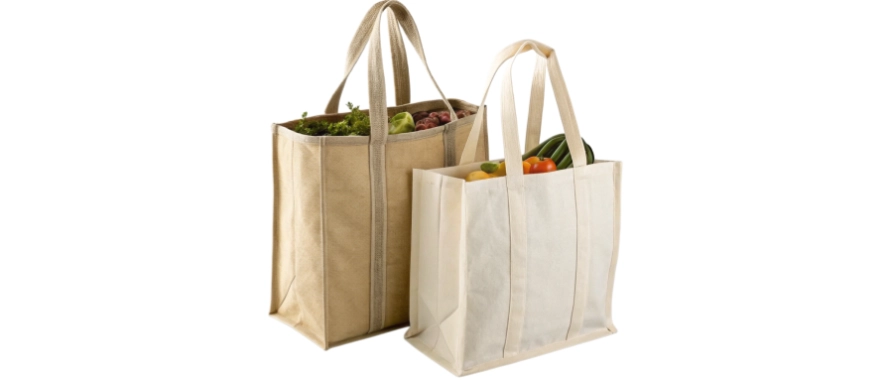
Why Is the Canvas Bag the Ultimate Statement for Modern Brand Culture?
Are you still printing your company logo on cheap plastic carriers that snap under pressure and end up clogging local landfills? Thin, brittle disposable bags irritate your customers and make your brand look wasteful.
The canvas bag offers a highly durable, natural fabric construction that handles heavy daily loads while acting as a visible eco-friendly billboard. Choosing a heavy-weight canvas build builds trust, reduces single-use waste, and keeps your brand visible in daily public spaces.
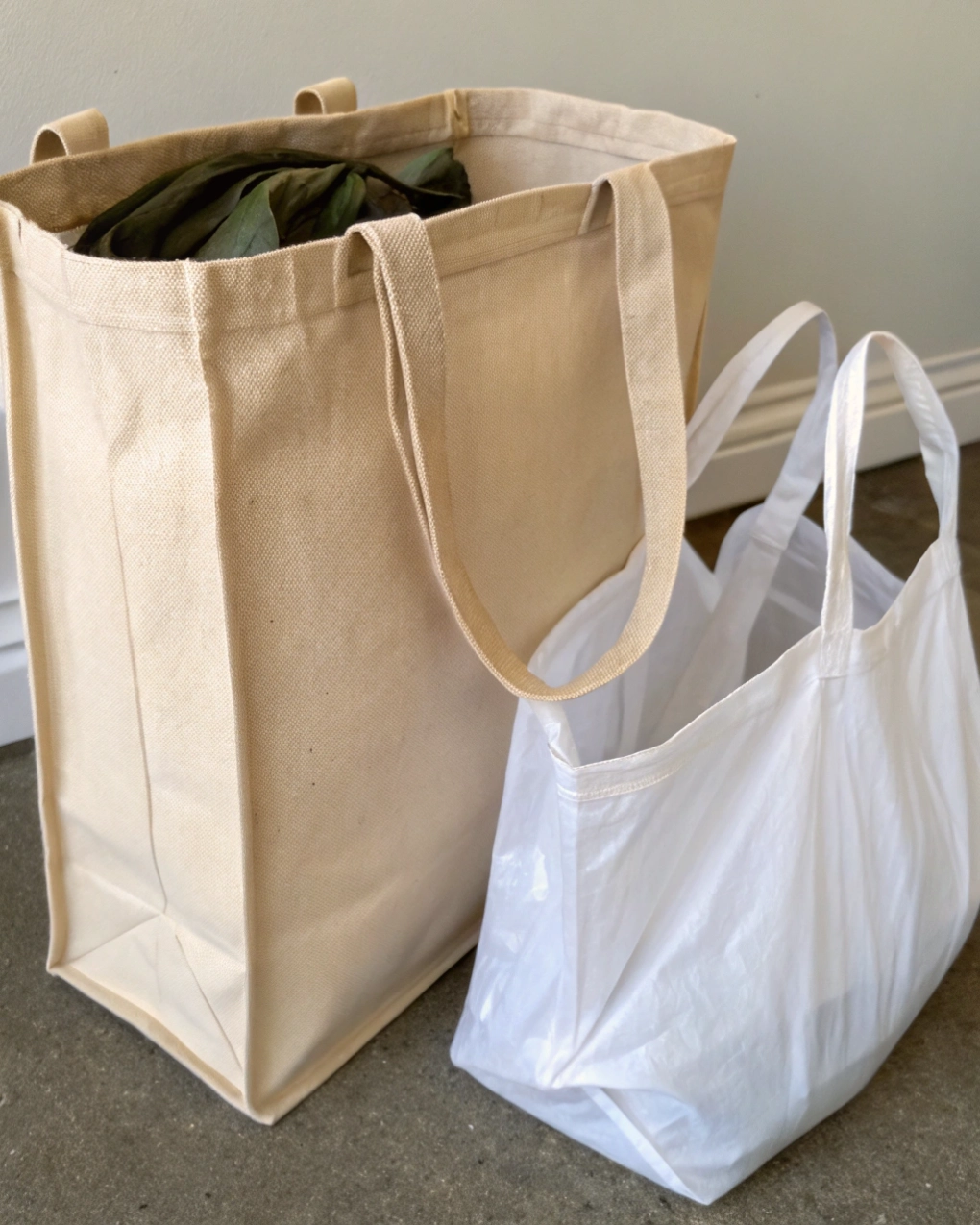
When I started learning the printing trade on a dusty factory floor, I handled countless types of woven materials, heavy-duty sewing needles, and inks. That production experience taught me that true utility lies in structural simplicity. Canvas bags succeed because they are built around repetition. They are carried to grocery stores, offices, cafés, and beaches. Over my years building Latitude Experience, I have seen how a simple twelve-ounce canvas tote travels naturally through everyday environments, delivering a softer and more organic message than any digital billboard. Let us look at what makes this humble textile a heavyweight in modern branding.
What Is a Canvas Bag?
Do you find yourself constantly replacing weak nylon string bags that fray at the seams after a few trips to the supermarket? Weak synthetic bags look untidy, feel slick, and do not hold their shape when you pack them.
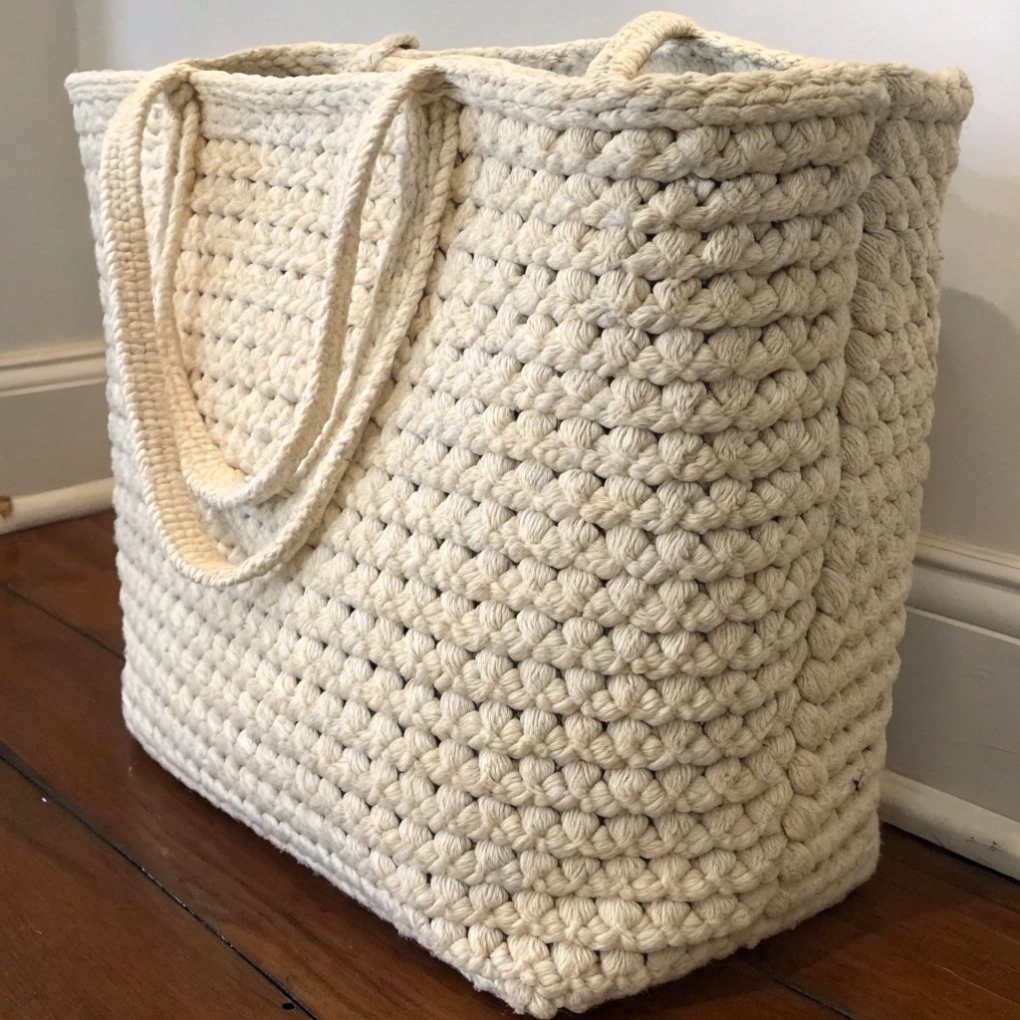
A canvas bag is a heavy-duty, plain-woven fabric container made from tightly interlaced cotton or hemp fibers. This centuries-old weaving technique creates a thick, rough-textured material renowned for its extreme tensile strength, breathability, and lifelong structural durability.
The Structural Architecture of Heavy Canvas
In our manufacturing factory, we measured canvas material by its physical weight per square yard, usually ranging from eight ounces to sixteen ounces. A high-quality canvas bag does not use cheap synthetic glues or thin heat-sealed lines. We join the panels using heavy-duty cotton threads and reinforced cross-stitching at the handles. This plain-weave structure distributes weight evenly across the entire frame, allowing the bag to soften and develop unique character through years of continuous use instead of immediately looking worn out.
Comparing Canvas with Synthetic Plastic Carriers
To understand why this fabric dominates the eco-friendly lifestyle market, you need to see how it performs against alternatives. The table below details the physical differences between canvas and standard shopping bags.
Bag Characteristic | Heavy-Duty Cotton Canvas | Standard Single-Use Plastic |
|---|---|---|
Material Base | Natural cotton or hemp plant fibers | Petrochemical polymers and thin films |
Average Weight Load | Easily carries 10 to 15 kilograms | Rips or stretches at 3 to 5 kilograms |
Lifespan Capacity | Thousands of uses over many years | Single-use before tearing or disposal |
Tactile Sensation | Soft, warm, thick, and highly textured | Cold, crinkly, thin, and entirely slick |
Is Canvas Fake Leather?
Are you confused by terms like "canvas leather" or "coated canvas" when looking through professional supplier catalogs? Choosing the wrong material can leave you with stiff, heavy products that do not match your casual lifestyle goals.
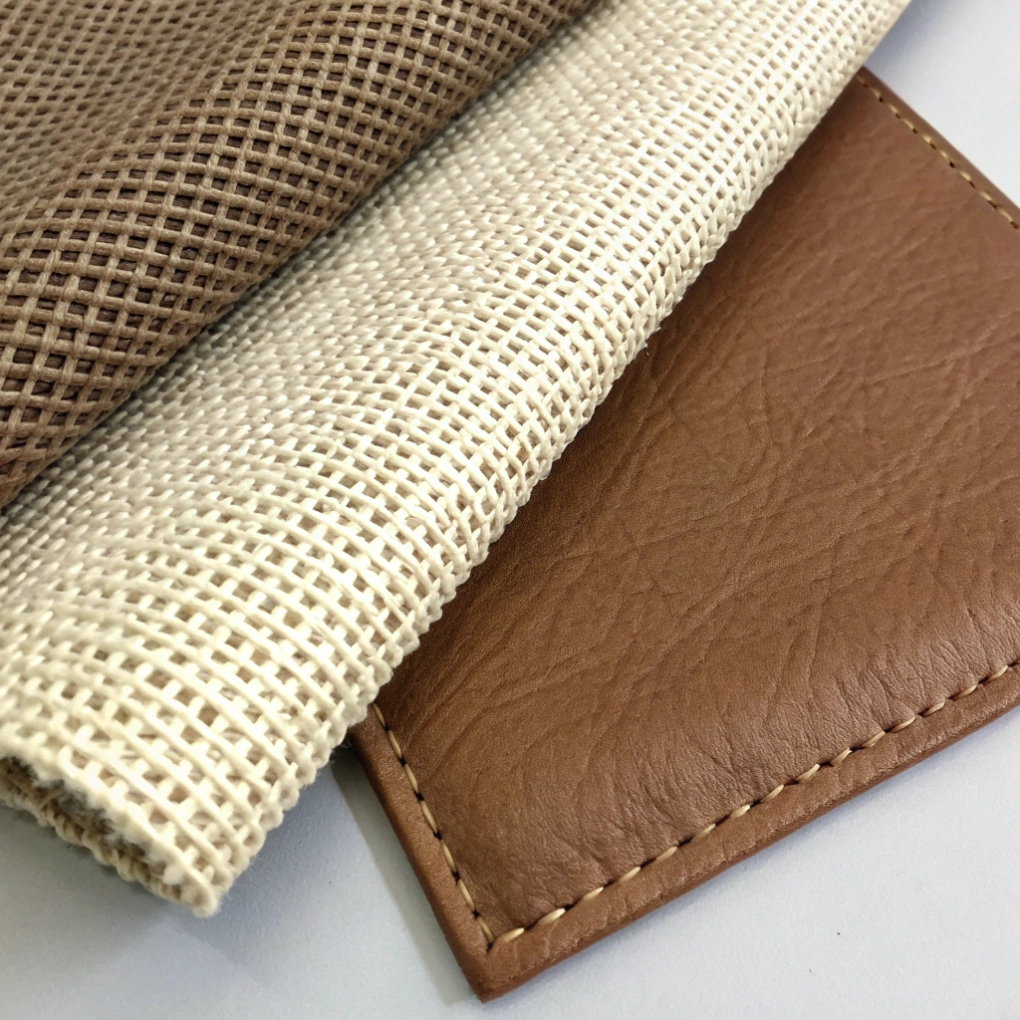
Canvas is not fake leather; it is an entirely distinct, plant-based woven textile made from cotton or hemp. While some luxury travel bags combine canvas sheets with leather accents, the raw fabric itself contains no animal products or leather elements.
Understanding Coated Fabrics and Material Blends
During my early factory days, we often applied special thin wax or polyurethane coatings to raw woven cotton to create water-resistant gear. This manufacturing process changes the fabric surface, making it smooth and easy to wipe clean like leather, but the core remains pure woven cotton thread. True fake leather uses a solid plastic layer on a fabric backing to copy animal hide grain. Canvas celebrates its own look—showing visible weave lines that signal simplicity and natural texture to the public eye.
Sourcing Differences for Corporate Gift Campaigns
When planning your company merchandise, you must choose the material that matches your brand voice. The table below shows how canvas differs from synthetic fake leather covers.
Sourcing Point | Natural Woven Canvas Fabric | Polyurethane Synthetic Fake Leather |
|---|---|---|
Visual Texture | Shows a distinct criss-cross thread pattern | Features a stamped animal hide grain look |
Folding Style | Folds completely flat for easy travel storage | Retains a stiff, molded structural shape |
Wash Ability | Can be hand-washed with mild soap | Wiped clean with damp microfiber cloths |
Brand Identity | Signals sustainability, art, and casual style | Signals formal corporate polish and luxury |
Why Are Canvas Bags Expensive?
Are you wondering why a high-quality fabric tote costs more than a standard non-woven promotional grocery sack? Buying ultra-cheap bags means your logo will quickly end up in trash bins due to split seams and loose threads.
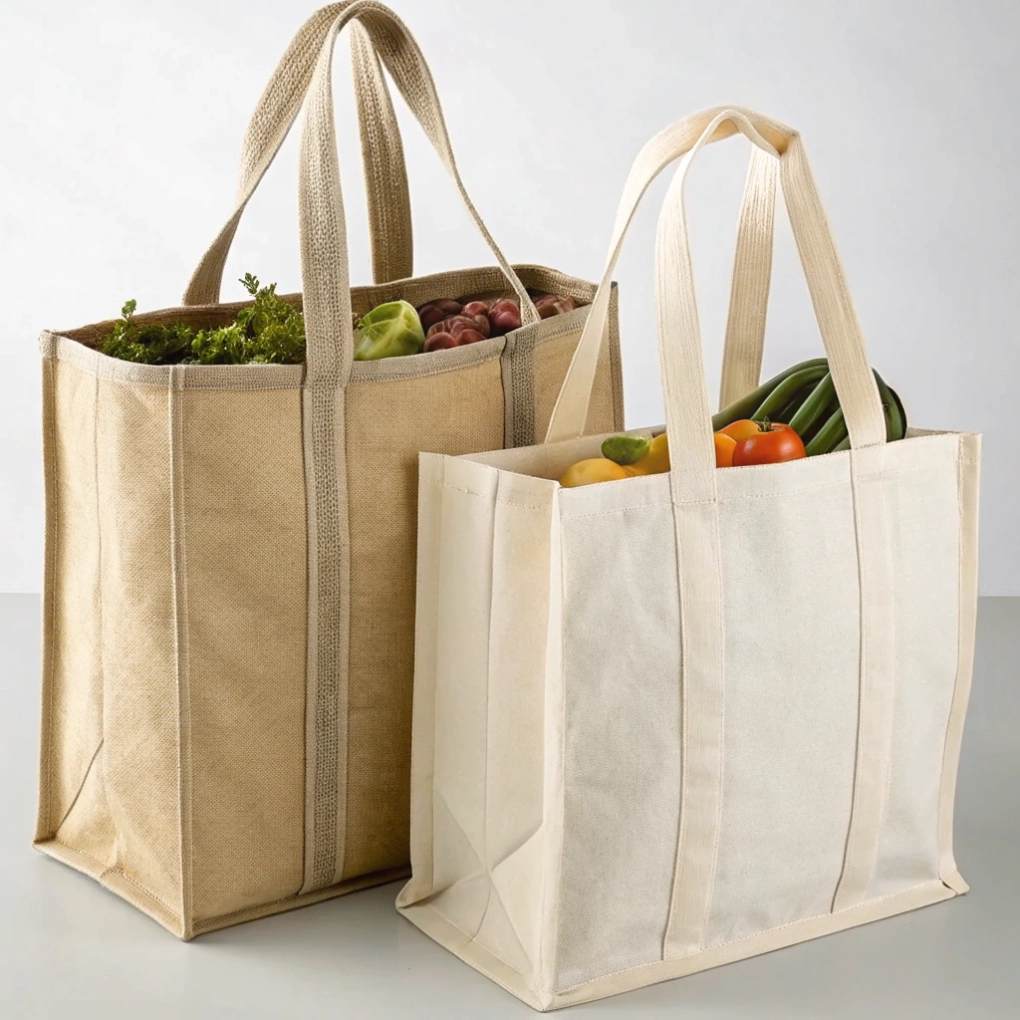
Canvas bags are more expensive because they use dense, natural cotton fibers, require complex multi-panel stitch assembly, and utilize specialized heavy-duty machinery designed to handle thick fabric layers without breaking needles.
The True Cost of Sustainable Craftsmanship
Products only become truly sustainable when they are useful enough to be reused consistently. A cheap tote uses thin material that shows loose threads after three trips to the office. In our production workshop, setting up a machine for heavy twelve-ounce canvas requires slower sewing speeds, premium thicker threads, and expert workers who handle manual edge-folding. This careful process ensures the bag handles heavy laptops and daily groceries without dropping your valuable belongings.
Value Breakdown of Premium Materials Over Cheap Alternatives
Investing in heavy-weight canvas provides a massive return on your marketing spend. The table below outlines why premium fabric costs more upfront but delivers better business value.
Production Factor | Cheap Non-Woven Tote Bag | Premium Heavy Cotton Canvas Bag |
|---|---|---|
Yarn Quality | Recycled plastic scraps pressed together | Long-staple premium combed natural cotton |
Stitch Method | High-speed ultrasonic heat welding | Double-needle lockstitch with cross-tacked handles |
Print Longevity | Ink flakes off the smooth plastic easily | Ink sinks deep into the raw woven fabric pores |
Marketing Value | Kept for a week; minimal brand exposure | Carried for years; creates thousands of public views |
Conclusion
The canvas bag remains highly successful because it solves everyday carry problems while matching modern values around durability, simplicity, and repeated use, creating an organic brand connection that lasts for years.