Jun 26, 2026Services Overview
Why Have Insulated & Stainless Steel Water Bottles Become Essential Daily Infrastructure?
Insulated stainless steel water bottles have become everyday essentials by combining durability, temperature retention, sustainability, and convenience for modern work, travel, and fitness lifestyles.
Why Have Insulated & Stainless Steel Water Bottles Become Essential Daily Infrastructure?
Struggling with flimsy plastic bottles that crack, sweat all over your desk, and turn your crisp morning water lukewarm by midday? Relying on temporary containers creates unnecessary plastic waste and turns a simple hydration routine into a frustrating chore.
Insulated and stainless steel water bottles are high-performance, double-walled hydration containers that maintain beverage temperatures for hours while offering unmatched structural durability. They serve as essential daily tools that eliminate single-use plastic, prevent external condensation, and provide a clean, odor-free drinking experience across professional and active environments.
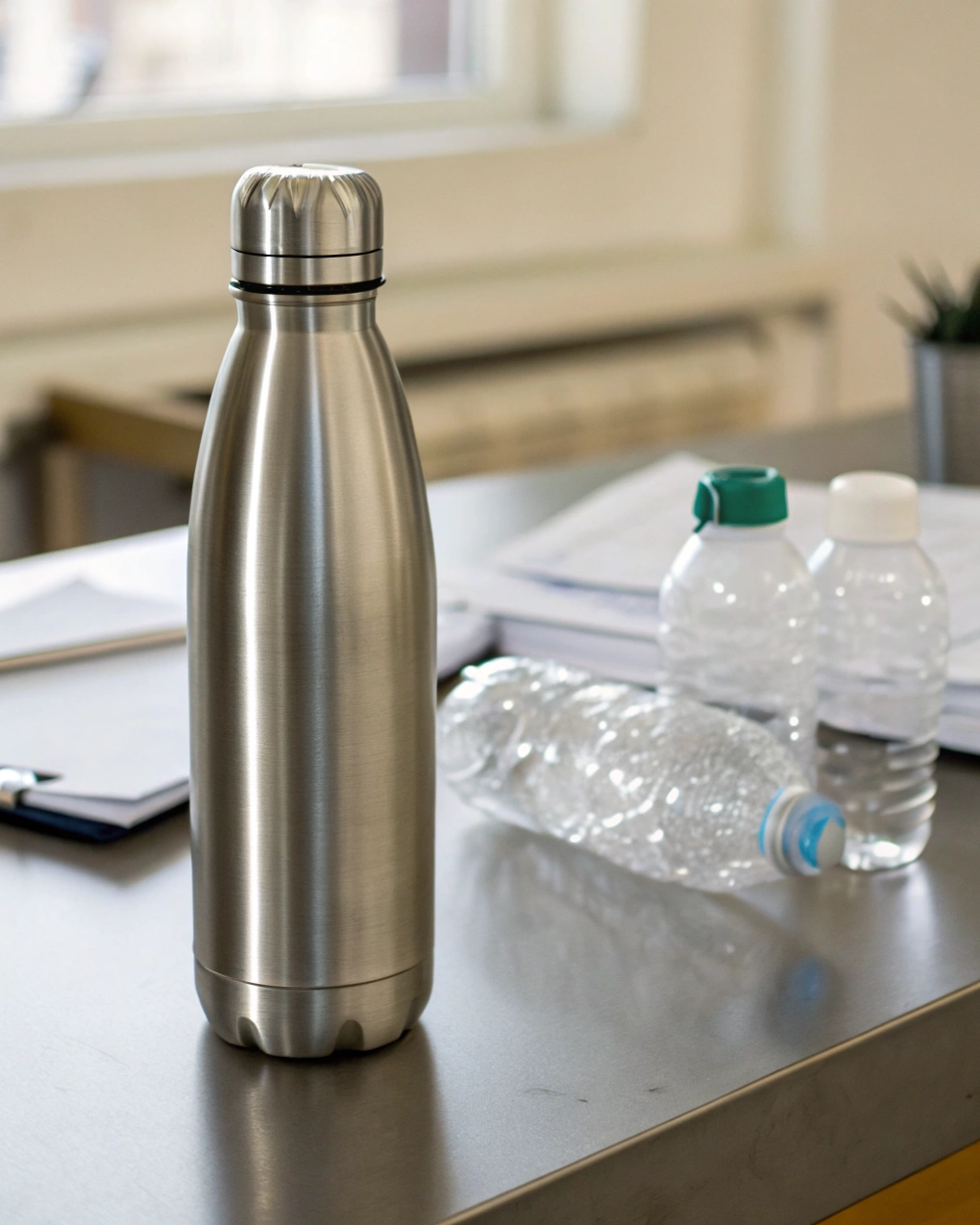
I have spent ten years on production lines and in corporate branding offices, starting my journey right on a humble factory floor. I know firsthand that the items we place on our desks speak volumes about our standards. I used to rely on whatever clear plastic bottles were nearby, but now I never head to a meeting or a site check in Singapore without a scuff-resistant, vacuum-insulated flask. It is not just about temperature; it is about choosing a permanent tool that supports your daily routine. Let's look at the health benefits, material comparisons, and daily habits surrounding these rugged steel containers.
Are Insulated Stainless Steel Water Bottles Good or Bad?
Are you wondering if switching to a heavy metal flask is genuinely worth the extra weight in your commuter bag? Evaluating how these bottles stand up to real-world wear reveals that their benefits far outweigh any minor inconveniences.
Insulated stainless steel water bottles are overwhelmingly good because they offer extreme durability, stop single-use waste, and provide excellent temperature retention without leaking chemicals. The only minor downsides are their heavier physical weight and a higher upfront purchase cost compared to basic plastic alternatives.
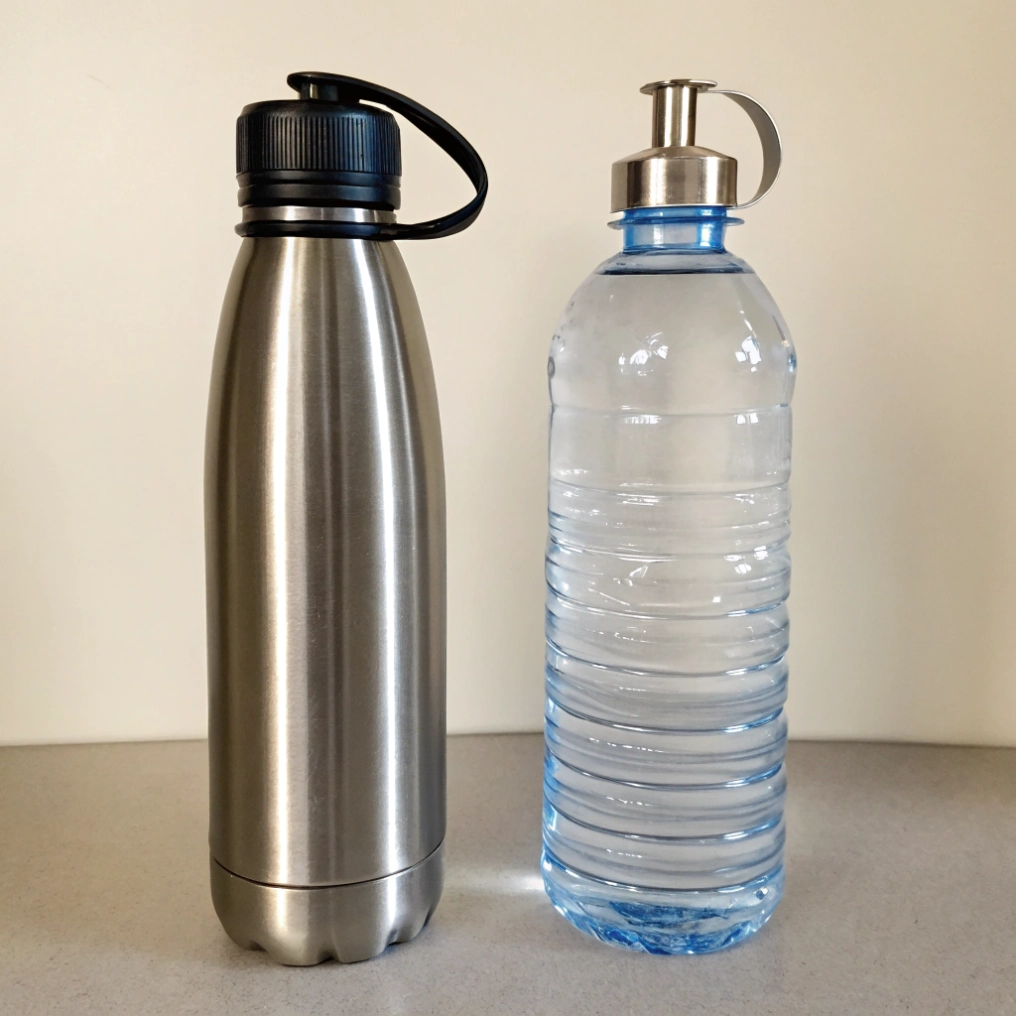
From my perspective as a marketing manager, a premium stainless steel bottle is an investment in predictability. When I manage busy promotional campaigns, I need tools that don't crack when dropped on concrete. A high-grade steel bottle can take a beating, suffer a few dents, and still keep your ice solid for an entire afternoon. This structural permanence changes your psychological relationship with the product. It stops being a disposable cup and becomes a piece of personal gear that you actively protect and carry everywhere.
The only real "bad" trait is that vacuum insulation requires two layers of steel plus a brass or copper heat barrier inside, which makes the bottle heavier even when empty. However, I have found that most professionals cheerfully accept that extra weight in exchange for a bottle that never "sweats." Standard plastic containers collect condensation in warm weather, leaving pools of water on wooden desks and ruining sensitive business papers. A vacuum bottle stays perfectly dry, keeping your office setup clean and organized.
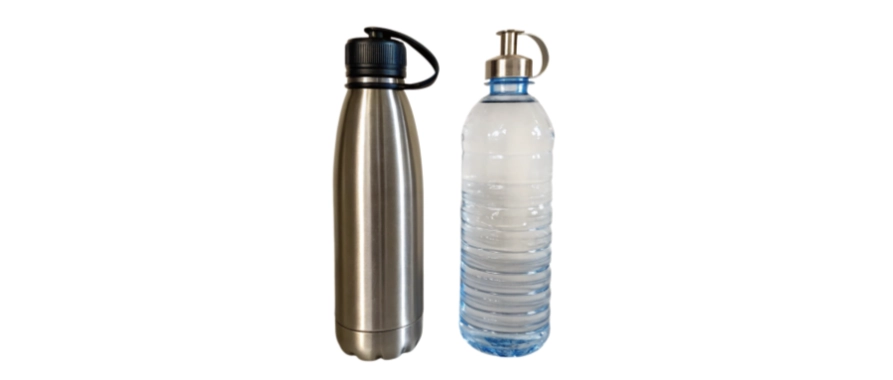
Product Metric | Single-Use Plastic Bottle | Insulated Stainless Steel Bottle |
|---|---|---|
Average Lifespan | 1 Day (Disposable) | 5+ Years (Extremely Rugged) |
Condensation (Sweat) | High (Wets hands and desks) | Zero (Vacuum pocket blocks moisture) |
Flavor Protection | Low (Absorbs plastic taste) | High (Food-grade 18/8 steel is inert) |
Upfront Cost | Very Low ($) | Medium to High ($$$) |
I recall a corporate seminar where we handed out sleek matte black steel flasks to two hundred regional sales partners. Years later, I still see those same partners bringing those dented, character-filled flasks to our annual strategy reviews. It proved to me that a durable product creates a long-term emotional attachment that a cheap promotional item can never mimic.
What Is the Healthiest Type of Water Bottle?
Are you concerned about chemical leaching or strange plastic odors ruining your morning drinks? Finding the healthiest option means looking past marketing buzzwords and choosing materials that are chemically non-reactive and easy to clean.
The healthiest type of water bottle is made from food-grade 18/8 stainless steel or pure borosilicate glass. These materials are completely non-porous and free from harmful chemicals like BPA, BPS, and phthalates, meaning they will never leach toxic substances or trap stubborn bacteria and odors over time.
In my early factory days, I watched how different materials reacted to heat and sterilization cycles. Cheap plastics often degrade when exposed to boiling water or acidic juices, releasing microplastics and chemicals into your drink. Food-grade 18/8 stainless steel (composed of 18% chromium and 8% nickel) is an inert metal. It forms a natural protective layer that prevents corrosion and stops flavors from sinking into the walls. You can switch from hot coffee to ice water without any lingering aftertaste, which keeps your beverage tasting perfectly clean.
Hygienic design is another major health factor that many buyers overlook. The healthiest bottles feature a wide mouth and clean, simple thread paths on the cap. Complex caps with deep internal straw systems, hidden push buttons, or intricate valves look high-tech, but they are incredibly difficult to scrub manually. They trap stagnant water and moisture, creating a perfect breeding ground for mold and bacteria. A simple, robust wide-mouth screw top can be cleaned thoroughly in seconds, ensuring your hydration habit stays truly safe.
Material Grade | Chemical Leaching Risk | Odor and Stain Retention | Cleaning Difficulty |
|---|---|---|---|
Pro-Grade 18/8 Steel | Zero (Chemically inert) | Extremely Low | Very Low (Wide-mouth options) |
Borosilicate Glass | Zero (Pure material) | Zero | Low (Fragile during scrubbing) |
BPA-Free Tritan | Low (But sensitive to high heat) | Medium (Can retain coffee smells) | Medium |
Low-Cost Polyethylene | Medium (Can warp in hot water) | High (Stains easily) | High |
I always share this material logic with Jacky and other marketing managers when we select merchandise lines. When you give a client a certified 18/8 stainless steel flask, you are showing that your business prioritizes their health and wellness. It shows a deep attention to detail that elevates your brand prestige far better than a basic, generic giveaway.
Is It Heavier to Drink Out of Stainless Steel or Glass?
Are you torn between the pure taste of a glass bottle and the unbreakable strength of a metal vacuum flask? Deciding between these two classic materials requires balancing your physical mobility with your clean lifestyle preferences.
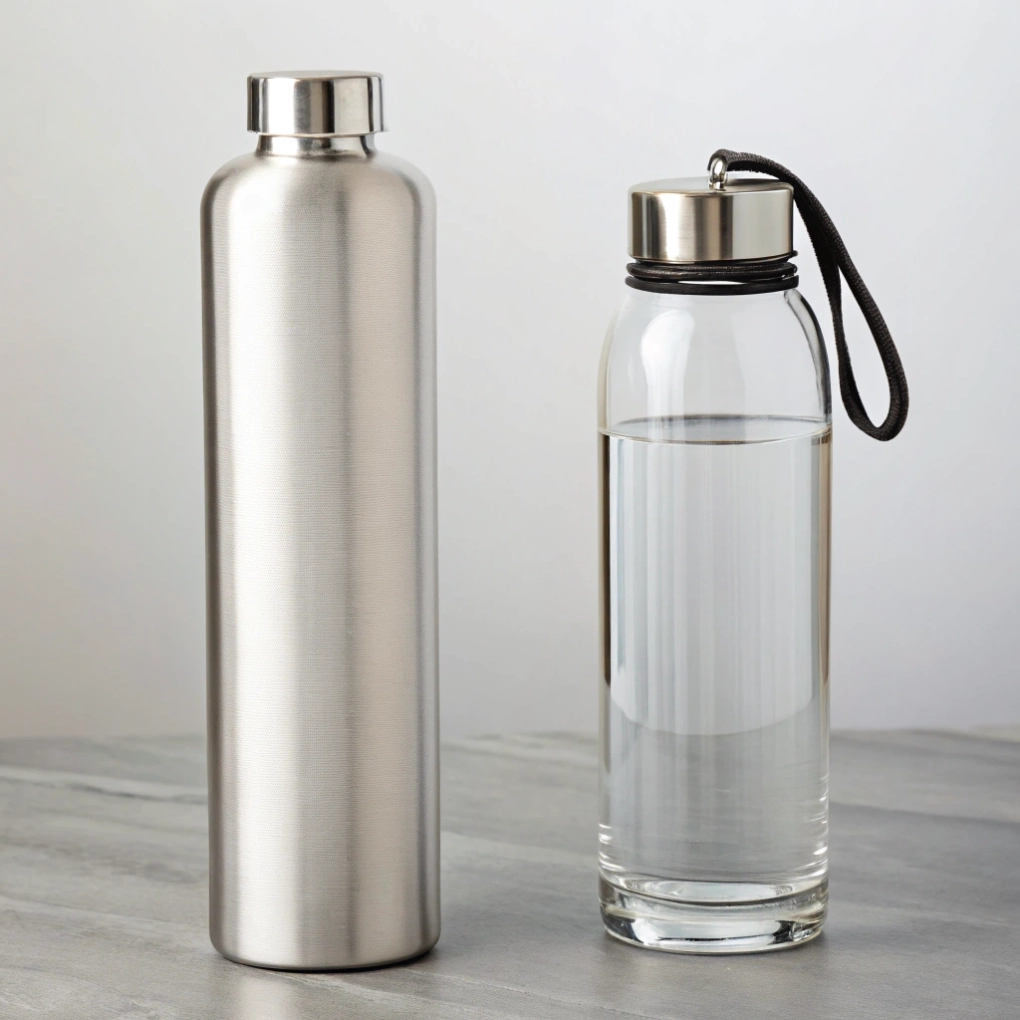
Drinking out of stainless steel vacuum bottles is slightly heavier than glass when empty due to the dense double-walled metal structure required for insulation. However, stainless steel is significantly lighter than thick, drop-resistant borosilicate glass when comparing containers of equal durability and liquid capacity.
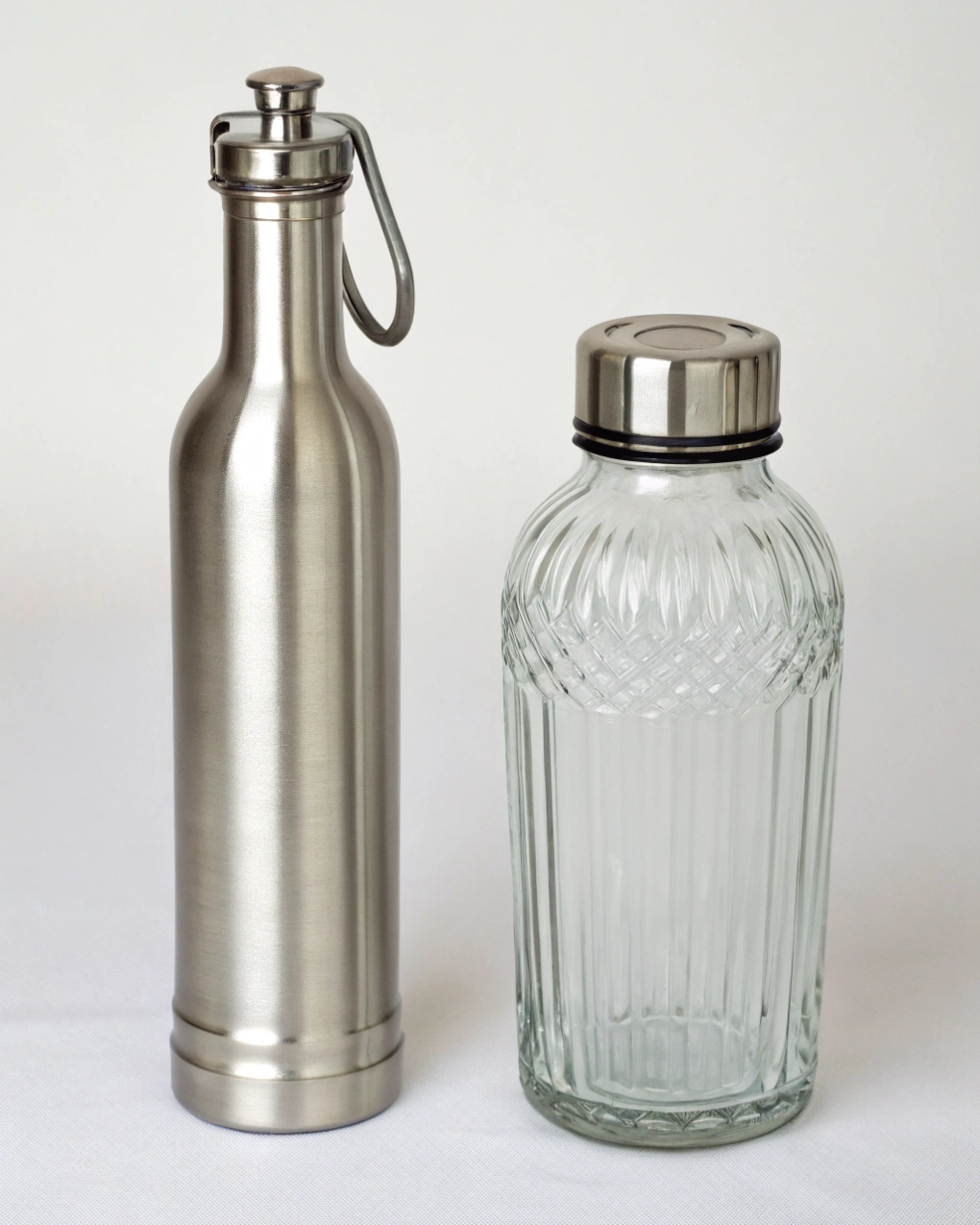
When evaluating products for a busy lifestyle, I look closely at the "weight-to-utility" ratio. A pure glass bottle offers an incredible, untainted drinking experience, but glass is naturally heavy and brittle. To make a glass bottle safe for a daily commute or a workout session, factories must make the walls exceptionally thick and wrap the exterior in a heavy silicone sleeve. This makes a durable glass bottle surprisingly heavy to lift and carry around all day, even before you pour a single drop of water inside.
Stainless steel achieves its immense strength through the mechanical density of the metal, allowing the walls to be remarkably thin. While an insulated flask feels solid because it uses two distinct steel layers with a vacuum gap in between, it remains highly portable and completely shatterproof. If you drop a glass bottle on a train floor or a gym mat, your day is ruined by dangerous shards. If you drop a stainless steel flask, it simply gains a small dent that adds to its rugged, personal character. It provides a reliable, stress-free user experience that fits naturally into a fluid daily routine.
Performance Factor | Borosilicate Glass Bottles | Vacuum Stainless Steel |
|---|---|---|
Shatter Resistance | Low (Requires heavy protective wrap) | Absolute (Dents but never shatters) |
Thermal Insulation | Minimal (Drinks warm up within an hour) | Extreme (Holds ice for up to 24 hours) |
Empty Base Weight | High (Thick walls add bulk) | Medium (Double-wall construction) |
Visual Texture | Transparent, clean, and glossy | Matte, powder-coated, or brushed |
I remember a project where an outdoor lifestyle brand wanted to customize glass flasks for a wellness retreat. We ran a quick test and realized the wrapped glass bottles were too heavy and cumbersome for the hiking portion of the event. We switched the order to a lightweight, insulated stainless steel travel mug with a clean minimalist design. The guests loved them because they could toss them into their backpacks without a single worry about weight or breakage, proving that rugged steel is the ultimate choice for a life on the move.
Conclusion
Insulated stainless steel water bottles succeed because they turn a simple daily necessity into a reliable, high-quality routine. By opting for food-grade 18/8 steel over fragile glass or cheap plastics, you secure an absolute shield against chemical leaching and single-use waste while keeping your drinks perfectly refreshing all day long.