Oct 13, 2026News & Insights
Why Do Companies Provide Gift Cards Instead of Money?
Companies use gift cards to make rewards more personal, encourage guilt-free spending, strengthen relationships, and drive retail sales through flexible, convenient gifting.
Why Do Companies Provide Gift Cards Instead of Money?
Do you wonder why organizations spend thousands of dollars distributing retail cards and digital vouchers to staff and clients rather than simply wiring cash into their bank accounts? It seems counterintuitive when money gives total financial freedom, yet direct cash transfers frequently fail to build lasting emotional equity.
Companies provide gift cards instead of money because gift cards create distinct psychological separation from everyday household bills, encourage guilt-free personal indulgence, eliminate the awkwardness of cash tipping, and streamline scalable corporate tax accounting.
When I started my career working in a printing and corporate merchandise factory years ago, I handled the production of countless membership passes, reward packaging sleeves, and corporate voucher cards. The core difference between cash and a dedicated reward is how the human brain categorizes the transaction. When an employee receives a cash bonus, it often vanishes into mortgage payments, groceries, or petrol. A gift card, however, earmarks value specifically for personal enjoyment. Let us examine why people prefer gift cards to cash, explore how companies generate revenue from card programs, and reveal the most sold gift card globally.
Why Do People Give Gift Cards Instead of Money?
Are you hesitant to hand someone an envelope of cash because it feels transactional, clinical, or uncomfortably like a loan reimbursement? Choosing direct cash often blurs the line between a personal celebration and a financial settlement.
People give gift cards instead of money because gift cards balance personal thoughtfulness with spending freedom, removing the social stigma of cash while giving the recipient permission to treat themselves without financial guilt.

Mental Accounting, Social Boundaries, and Guilt-Free Indulgence
Behavioral economists describe how people categorize income using “mental accounting.” When someone receives physical cash or a bank wire, it immediately enters their general checking pool. Rather than spending it on a luxury dinner, books, or a weekend hobby, the recipient often feels responsible pressure to use the money for utility bills or credit card debt. A gift card acts as a mental boundary: it tells the recipient, *”This is set aside specifically for you to enjoy.”*
Social etiquette also plays a major role. In many cultures, handing a direct cash envelope to a professional peer or client feels like an awkward tip or an inappropriate transaction. A gift card from an artisanal coffee house, a major bookstore, or an electronics brand shows that you considered their tastes while sparing them the awkwardness of discussing raw currency.
For marketing and event managers like Jacky coordinating regional campaigns, pairing a digital or physical gift card with a tangible item—such as an A5 thread-bound notebook or an insulated desk tumbler—delivers the best of both worlds: immediate tactile delight alongside personal shopping freedom.
Dimension | Direct Cash Transfer | Retail Gift Card | Custom Physical Gift |
|---|---|---|---|
Psychological Framing | Treated as general household income / debt repayment | Earmarked as a “guilt-free treat” or luxury purchase | Perceived as a personal, tangible token of care |
Social Boundary | Can feel transactional, cold, or overly clinical | Elegant balance of personal thought and choice | Highly personal; reflects shared relationship history |
Recipient Choice | Complete freedom across all expenses | Curated choice within the retailer’s catalog | Zero choice; depends entirely on giver’s selection |
Branding Longevity | Zero retention; vanishes once spent | Moderate; lasts through shopping & redemption | High; sits on desks or travels in bags for years |
Do Companies Make Money From Gift Cards?
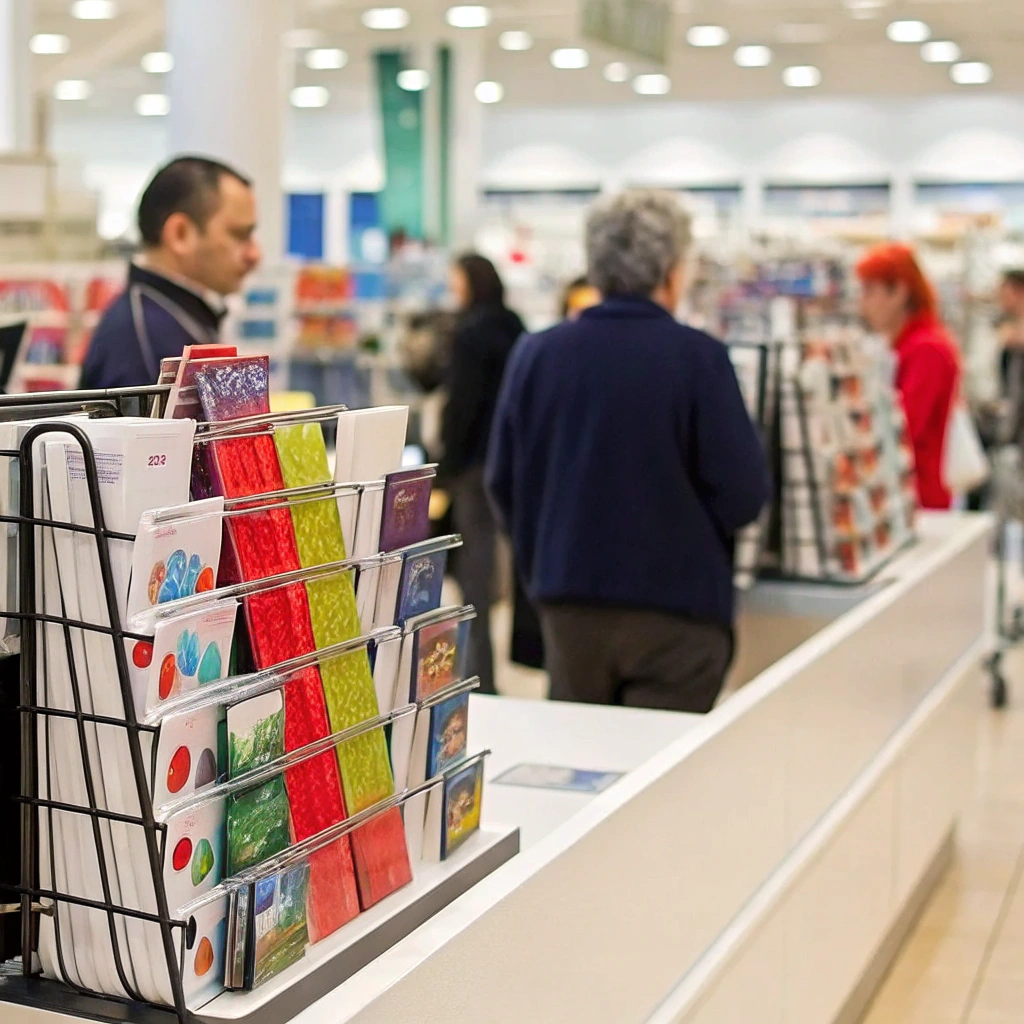
Have you ever wondered why retail giants and department stores aggressively market gift card racks near checkout counters every holiday season? Behind the colorful plastic cards lies one of the most profitable business models in modern retail.
Yes, companies make immense profits from gift cards through upfront interest-free cash flow, unspent card balances (breakage), guaranteed incremental basket spend above the card value, and increased foot traffic.
The Mechanics of Breakage, Cash Floats, and Upselling
Retail gift card economics rely on four commercial profit drivers:
- Breakage (Unredeemed Balances): Industry financial audits show that roughly 6% to 10% of total gift card balances are never redeemed. Whether the card is lost in a wallet, misplaced in a drawer, or left with an odd balance of $2.40, that unspent capital eventually converts into pure, high-margin profit (subject to local escheatment and accounting regulations).
- Upfront Working Capital Float: A company receives 100% of the cash value the moment the gift card is purchased, often months before providing any physical product or service. This interest-free loan provides significant working capital and liquid treasury reserves.
- The “Overspend” Multiplier: Consumers rarely spend the exact face value of a card. Studies show that roughly 75% of gift card holders spend an average of 20% to 50% more than the initial card balance out of their own pocket when checking out, converting a $50 reward into a $75+ sale.
- Acquisition of High-Margin New Customers: Recipients often visit a store or platform for the first time simply to redeem a card, transforming an existing customer’s gift into an inexpensive new customer acquisition channel.
Revenue Driver | Financial Mechanism | Commercial Impact for Retailer | Real-World Consumer Behavior |
|---|---|---|---|
Breakage | Unused card balances expire or get forgotten | Direct, near-100% profit margin | Leaving small balances ($1.50–$4.00) unspent |
Float | Advance cash collected before inventory depletion | Risk-free operating liquidity & interest | Holding a card for 3 to 6 months before use |
Overspend (Lift) | Card acts as an entry discount on a bigger cart | Increases Average Order Value (AOV) | Buying a $75 jacket with a $50 store card |
Zero Return Cost | Digital cards require zero raw goods inventory | Near-zero distribution and storage expense | Instant e-code delivery via corporate API |
What Is the Most Sold Gift Card?
Are you curious which gift card dominates consumer and corporate bulk procurement worldwide? One global marketplace consistently leads the industry in sheer transaction volume and user demand.
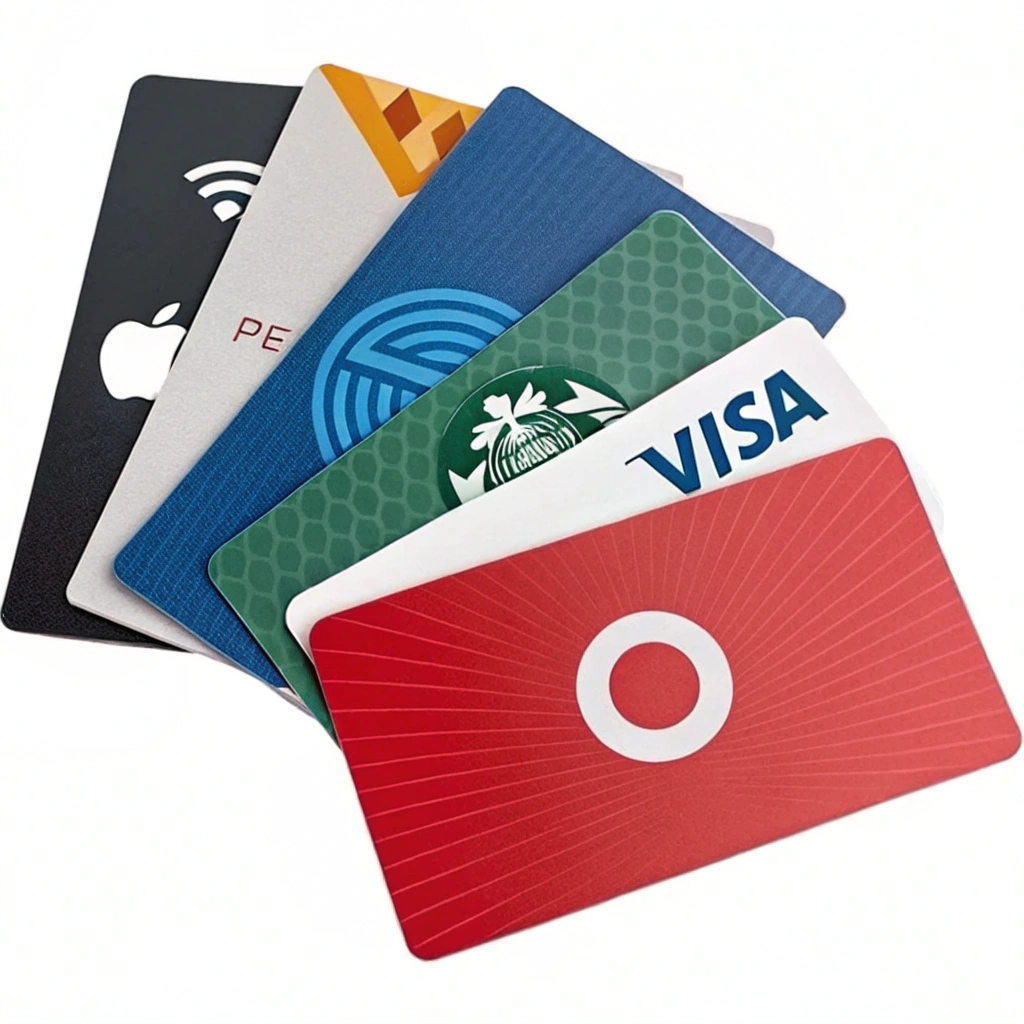
The most sold gift card globally is the Amazon Gift Card, followed closely by Visa/Mastercard prepaid cards, Apple Gift Cards, Target, and Starbucks.
Market Dominance, Frictionless Logistics, and Universal Utility
Amazon dominates both consumer holiday shopping and corporate reward programs because of its unmatched catalog variety and fast fulfillment ecosystem. For an enterprise distributing rewards across thousands of diverse employees, an Amazon card eliminates the risk of choosing an unsuitable specialty brand. The recipient can buy anything from groceries and tech hardware to kindle books and home repair tools.
For organizations that want to preserve social warmth without locking recipients into a single platform, open-loop prepaid cards (such as Visa or Mastercard branded cards) rank second. However, open-loop cards carry upfront activation fees and occasional expiration penalties, which is why closed-loop retail cards from Starbucks (for affordable everyday coffee drops) and Apple (for digital subscriptions and tech gear) remain corporate favorites.
Global Ranking | Gift Card Brand / Category | Primary Market Driver | Best Corporate Gifting Use Case |
|---|---|---|---|
#1 | Amazon Gift Card | Universal product catalog & prime delivery | Large-scale employee milestones & survey incentives |
#2 | Visa / Mastercard Prepaid | Accepted wherever card terminals operate | Sales team performance bonuses & client spiffs |
#3 | Apple Gift Card | Hardware, App Store, and cloud services | Tech team recognition & creative department rewards |
#4 | Starbucks Card | Daily coffee habit & mobile app gamification | Quick peer-to-peer appreciation & micro-shoutouts |
#5 | Target / Walmart | Everyday household essentials & fashion | Holiday family assistance & company-wide year-end gifts |
Conclusion
Companies provide gift cards instead of cash because they frame appreciation as a memorable personal experience rather than an ordinary paycheck addition, ensuring your corporate recognition rewards the individual behind the work while preserving scalable administrative ease.