Aug 17, 2026Success Stories
Why Are Kraft Paper Bags the Ideal Choice for Sustainable Packaging?
Discover why kraft paper bags are ideal for sustainable packaging. Learn how their recyclable materials, durability, and customizable designs help reduce environmental impact while strengthening brand
Why Are Kraft Paper Bags the Ideal Choice for Sustainable Packaging?
Are you tired of packaging that breaks easily and harms your brand reputation? Cheap plastic bags create environmental waste, while fragile paper bags tear during checkout and frustrate valuable customers.
Kraft paper bags are durable, eco-friendly packaging solutions made from unbleached wood pulp using the chemical kraft pulping process. They provide superior tear resistance, biodegradable sustainability, and a rustic natural aesthetic that elevates brand perception across retail, food service, and corporate gifting sectors.
When I started my career in a humble printing factory, I saw businesses buy low-grade recycled paper bags that fell apart under light grocery loads. Later, I founded Latitude Experience Pte Ltd to help marketing managers and business owners choose durable, sustainable packaging and promotional products. A kraft paper bag is not just a carrier for goods. It is a tangible reflection of your company's commitment to quality and environmental responsibility. Keep reading to learn why kraft paper bags are the ultimate choice for your brand.
What Is a Kraft Paper Bag?
Are you confused by the term kraft and unsure how these sturdy brown bags differ from standard paper bags? Using the wrong packaging material can result in unexpected bag tears and product damage.
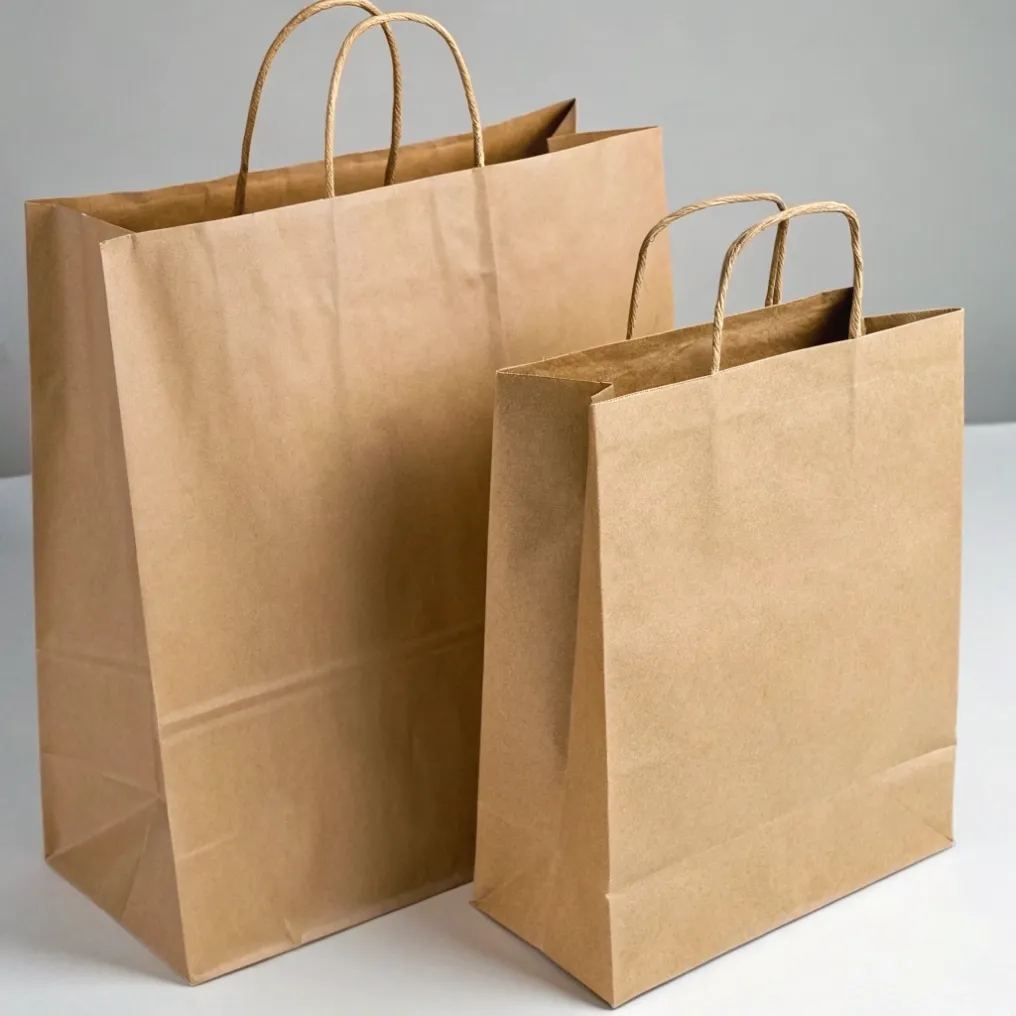
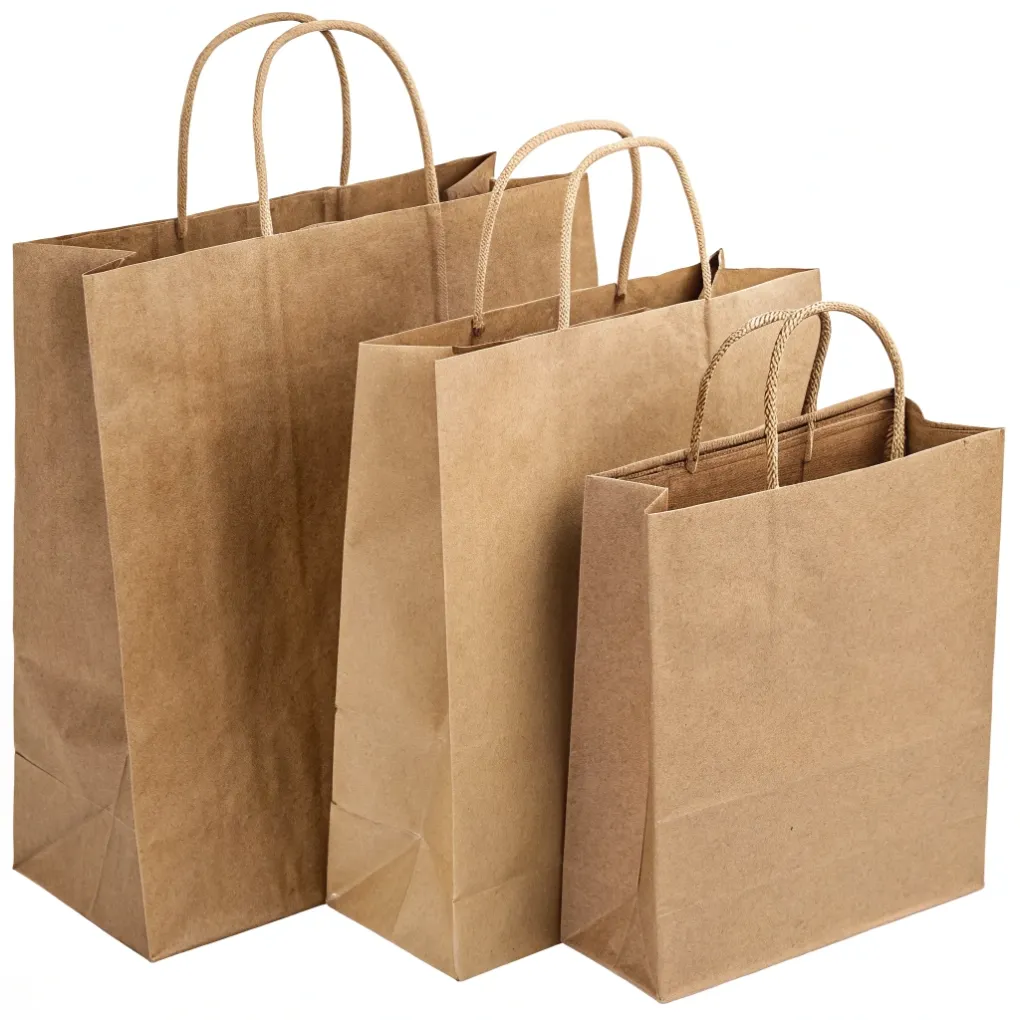
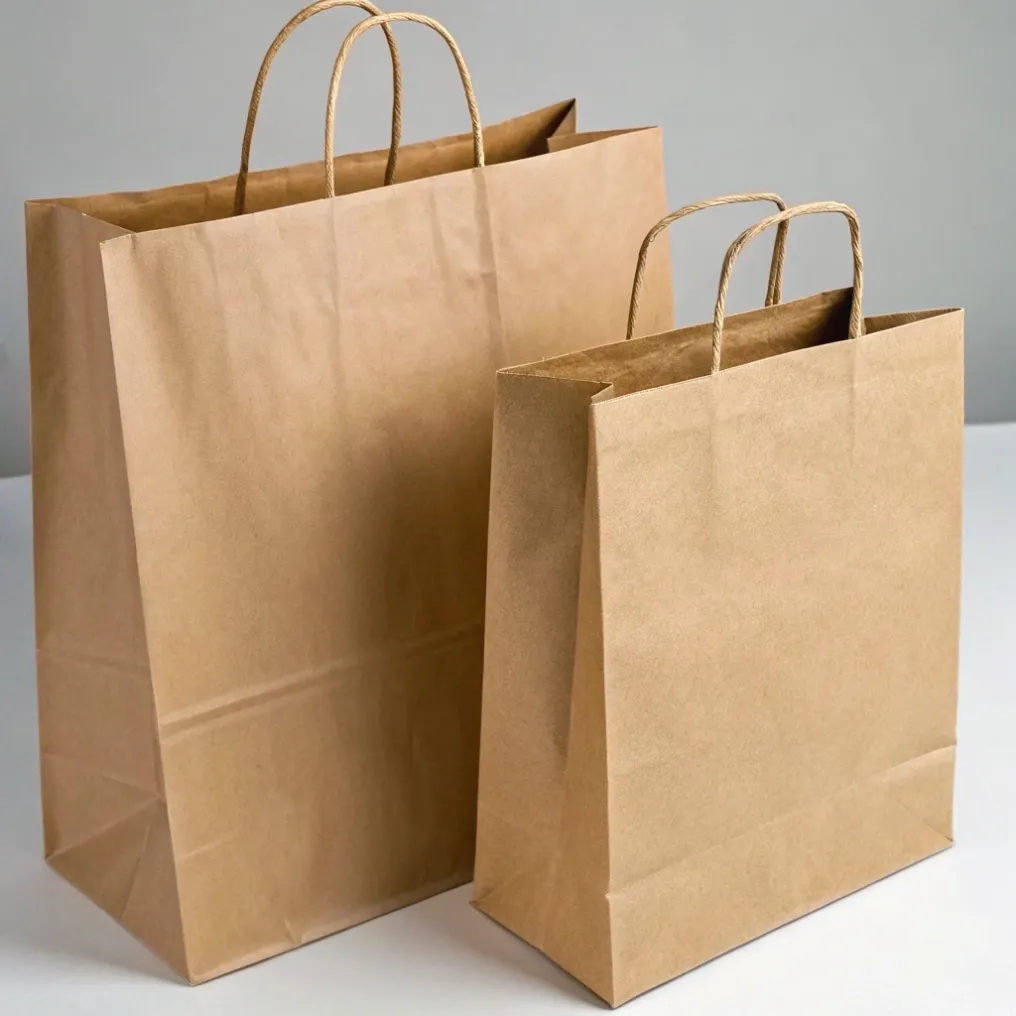
A kraft paper bag is a heavy-duty packaging container made from durable kraft paper produced through a specialized chemical wood pulping method. Available in natural brown or bleached white, these bags feature flat bottom gussets and reinforced handles, making them ideal for carrying retail goods, groceries, and takeout meals securely.
Understanding the Structure and Anatomy of Kraft Bags
During my decades in product customization and printing, I have evaluated hundreds of packaging designs. The word kraft comes from the German word for strength, which perfectly describes this material's physical properties.
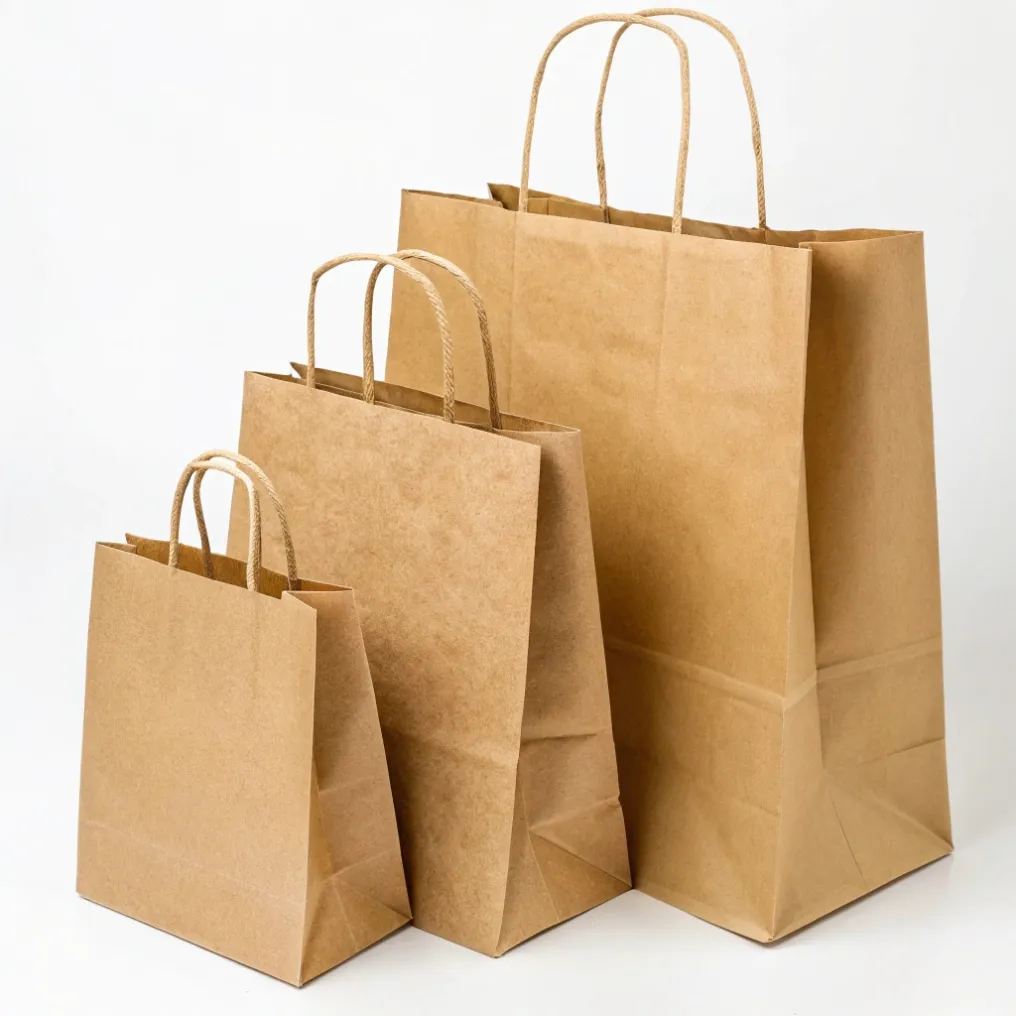
Kraft paper bags use long, virgin wood fibers that interlock tightly to resist tearing. The base features a glued rectangular bottom that allows the bag to stand upright independently on retail counters during packing. Manufacturers attach twisted paper cords, flat paper tape, or soft cotton rope handles with interior reinforcement patches to support heavy loads easily.
Kraft Bag Component | Typical Material Used | Functional Benefit |
|---|---|---|
Main Body Panels | 100–150 GSM Kraft Paper | Resists punctures and holds shape |
Side & Bottom Gussets | Folded expandable kraft sheet | Expands internal storage capacity |
Handle System | Twisted paper, flat tape, or cotton | Distributes weight comfortably across hands |
Bottom Patch | Heavy reinforcement card | Prevents bottom blowout under heavy items |
Knowing these structural details helps you select a bag that accommodates your merchandise weight safely while speeding up checkout operations.
Are Kraft Paper Bags Environmentally Friendly?
Are you worried that your business packaging creates excessive landfill waste and turns away eco-conscious consumers? Modern shoppers avoid single-use plastics, and businesses that fail to adapt risk losing customer loyalty.
Yes, kraft paper bags are highly environmentally friendly because they are 100 percent biodegradable, compostable, and recyclable. Made from renewable wood pulp without harsh chlorine bleaching agents, kraft bags break down naturally within a few weeks without releasing toxic chemicals into the soil or water.
Why Kraft Paper Supports a Circular Economy
At Latitude Experience Pte Ltd, marketing managers like Jacky frequently ask me how to improve their brand's sustainability score. In my early factory days, I watched plastic bags pollute local environments because synthetic polymers take centuries to decompose.
Natural brown kraft paper avoids the chemical bleaching process entirely, conserving water and reducing industrial chemical waste. Furthermore, kraft paper can be recycled up to seven times before the wood fibers become too short for reuse. Even if a kraft bag ends up in a home compost bin, natural moisture and soil microbes break it down into organic matter in under ninety days.
Environmental Metric | Single-Use Plastic Bag | Traditional Bleached Paper | Natural Brown Kraft Bag |
|---|---|---|---|
Biodegradability | 400+ years (Microplastics) | 2 to 5 months | 4 to 8 weeks (Fully compostable) |
Chemical Bleaching | N/A (Petroleum based) | High (Chlorine based) | Zero (Unbleached process) |
Recyclability Rate | Very Low (Clogs machines) | Moderate | Very High (Accepted globally) |
Renewable Sourcing | No (Fossil fuels) | Yes (Wood pulp) | Yes (FSC-certified forestry) |
Using biodegradable kraft bags reduces your carbon footprint and proves to your customers that your company genuinely cares about our planet.
What Is Special About Kraft Paper?
Are you wondering why kraft paper is significantly stronger than standard white printer paper or newspaper? Choosing ordinary paper for shopping bags leads to ripped handles and ruined merchandise when carrying heavy items.
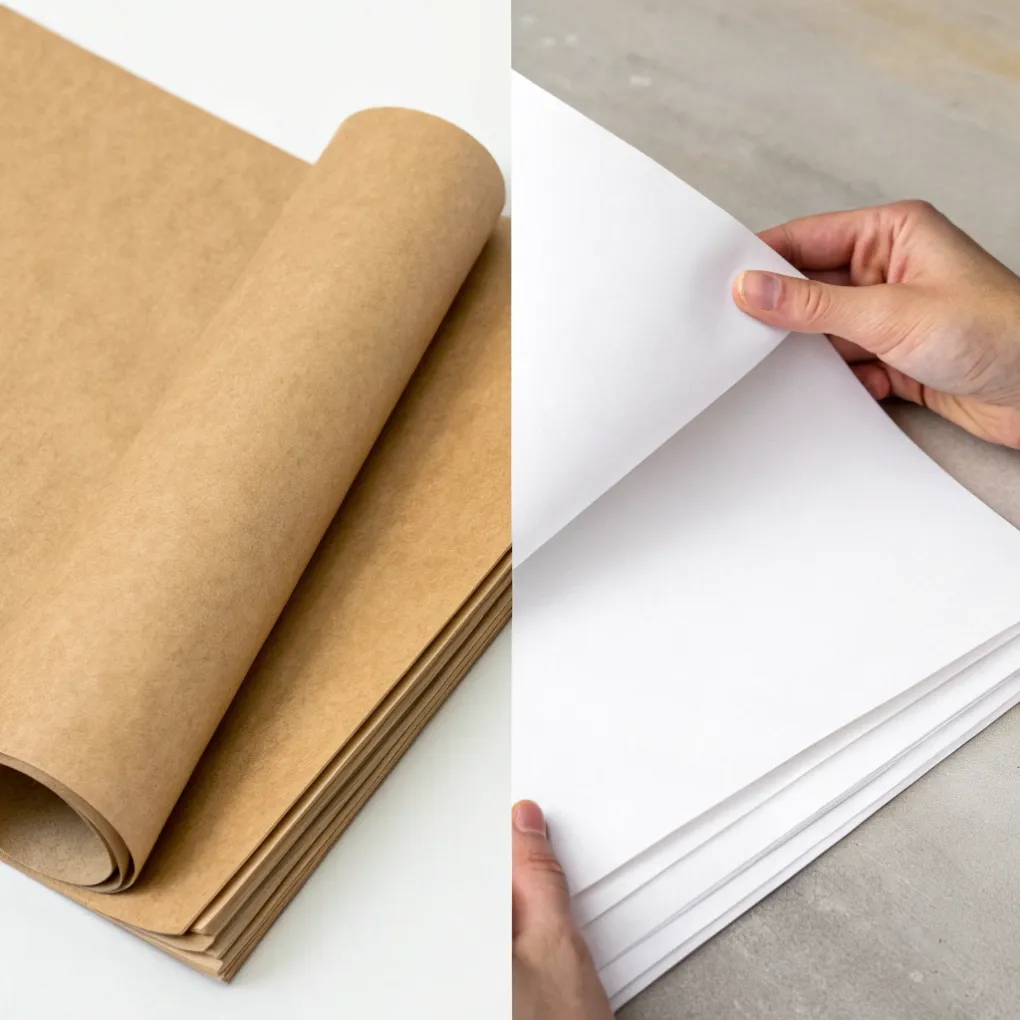
What makes kraft paper special is its high sulfur-free chemical pulping process, which preserves natural wood fiber length and removes lignin almost completely. This unique process produces paper with exceptional tensile strength, high elasticity, superior tear resistance, and a distinctive organic tactile texture.
The Science Behind Kraft Fiber Durability
In my factory inspection experience, fiber composition determines how well paper withstands tension and heavy pressure. Standard mechanical paper pulping chops wood fibers into short fragments, resulting in weak, brittle sheets.
The chemical kraft process cooks wood chips in a sodium hydroxide and sodium sulfide solution. This gentle chemical cooking dissolves lignin—the natural glue that makes wood rigid and brittle—leaving behind long, unbroken cellulose fibers. These long fibers create high burst strength and allow the paper to absorb tension without splitting along crease lines.
Performance Attribute | Standard Bleached Paper | Heavy-Duty Kraft Paper |
|---|---|---|
Fiber Length | Short & fragmented (Tears easily) | Long & interlocked (High tensile strength) |
Lignin Content | High to Moderate (Yellows and degrades) | Extremely Low (Preserves structural integrity) |
Moisture Resistance | Low (Soggies and breaks quickly) | Moderate to High (Retains strength when damp) |
Surface Printability | Smooth (Standard absorption) | Porous & organic (Ideal for clean screen printing) |
This remarkable fiber strength makes kraft paper the premier material for demanding retail packaging, heavy grocery bags, and durable corporate gift presentations.
Conclusion
Kraft paper bags combine superior wood fiber strength, natural biodegradable sustainability, and elegant organic design, transforming simple retail packaging into a durable, eco-friendly brand marketing asset.