Aug 17, 2026Services Overview
Why Are General Grocery Paper Bags the Ideal Modern Checkout Choice?
Discover why grocery paper bags are an ideal modern checkout choice. Learn how their durability, convenience, eco-friendly appeal, and customizable designs support both customer needs and brand growth
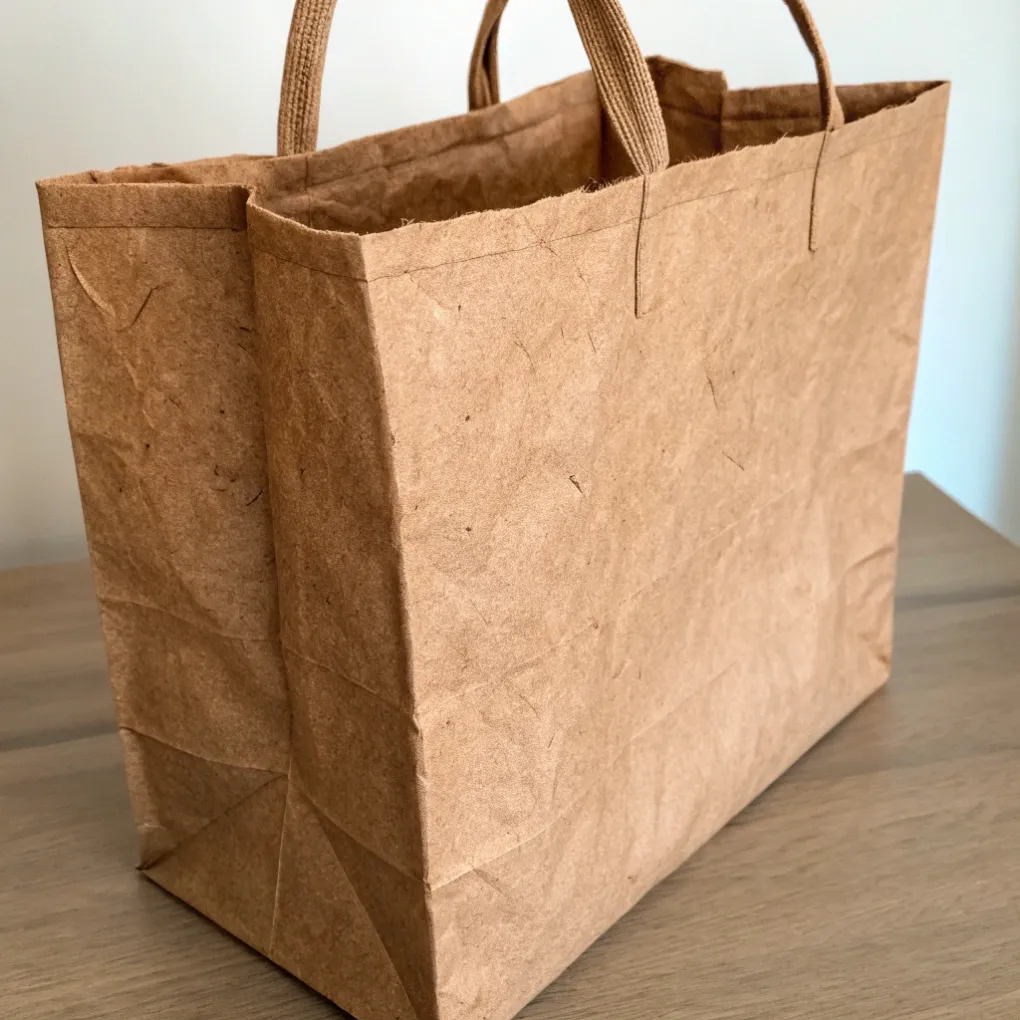
Why Are General Grocery Paper Bags the Ideal Modern Checkout Choice?
Are you tired of flimsy shopping bags that rip along the bottom seams when carrying everyday groceries? Fragile packaging ruins customer shopping experiences, causes messy grocery spills, and harms your business reputation.
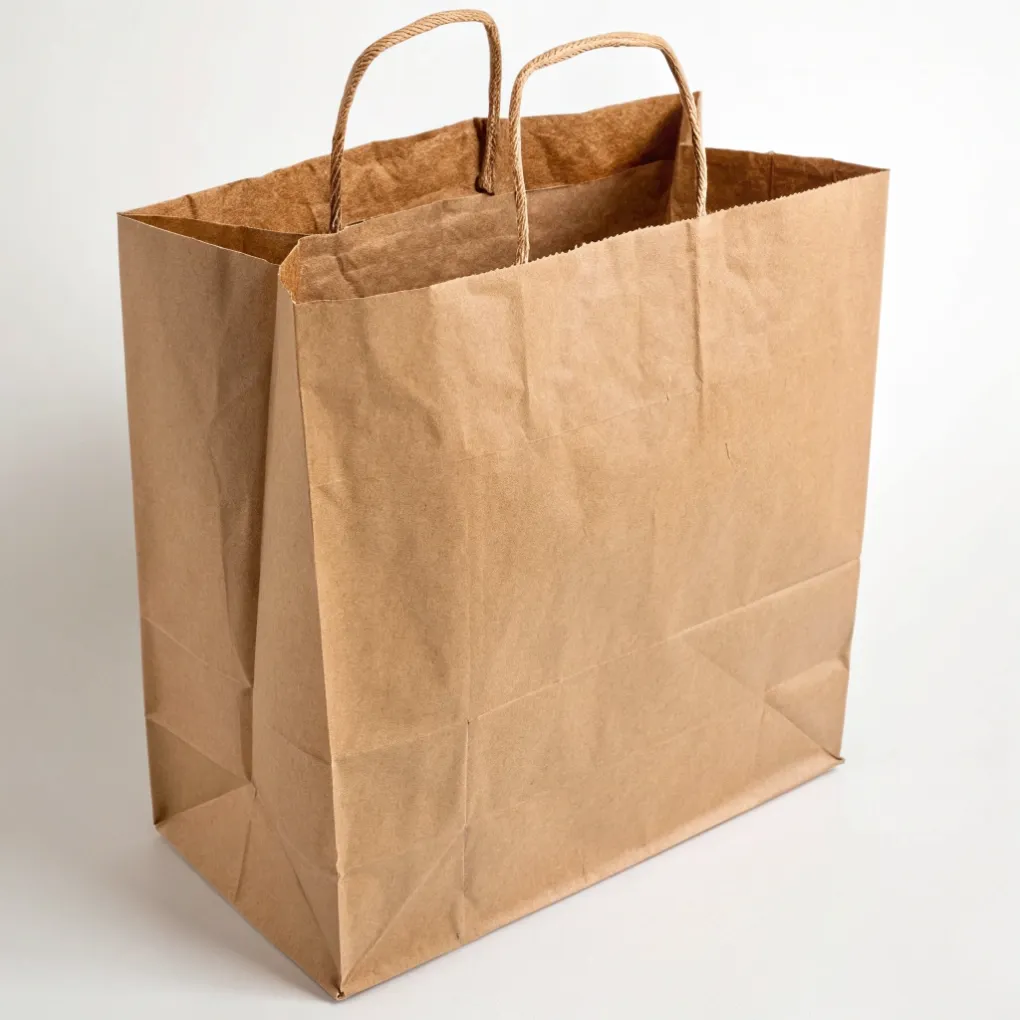
General grocery paper bags are dependable, eco-friendly packaging solutions made from heavy-duty kraft paper. Engineered with flat, self-standing rectangular bottoms and high burst strength, they hold heavy food items securely, offer 100% recyclable sustainability, and provide a clean, mobile canvas for store branding.
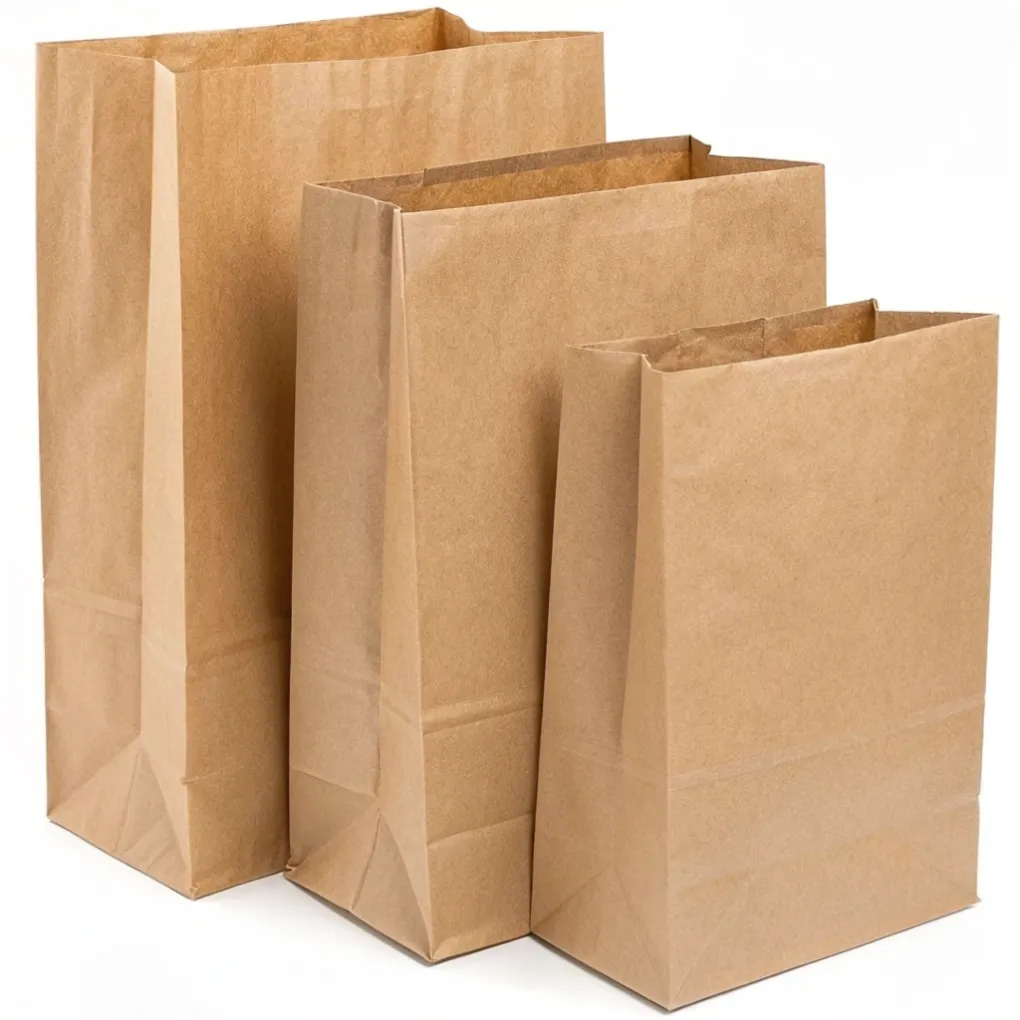
When I started my career in a humble printing factory, I saw supermarkets order bargain paper sacks that tore open under the weight of basic canned goods. Later, I founded Latitude Experience Pte Ltd to help business owners and marketing managers select durable, high-capacity packaging and promotional products. A general grocery paper bag is not just a container for groceries. It is an essential touchpoint that reflects your company's commitment to quality and environmental responsibility. Keep reading to learn all about grocery paper bag sizes, materials, and alternatives.
What Size Is a Normal Paper Grocery Bag?
Are you confused by standard sack dimensions and unsure what bag size your checkout counters should stock? Ordering bags that are too small causes packing bottlenecks, while oversized bags waste valuable packaging budgets.
A normal paper grocery bag is the industry-standard 1/6 Barrel (BBL) sack, measuring approximately 12 inches wide, 7 inches deep, and 17 inches tall (12" x 7" x 17"). This standard supermarket size holds roughly 30 to 40 pounds of groceries, or about 2 to 3 standard grocery items per row across multiple vertical layers.
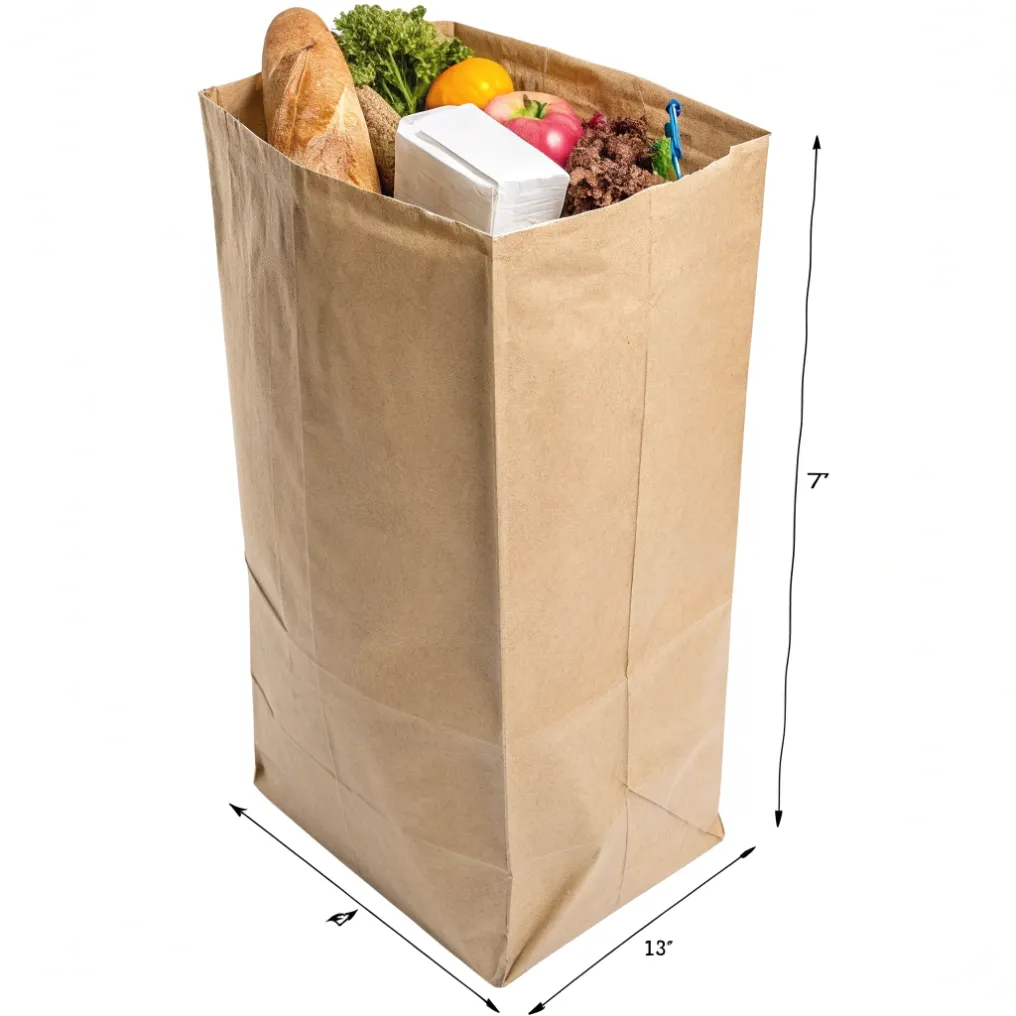
Understanding Standard Supermarket Sack Capacity
During my decades in product customization and packaging production, I have guided hundreds of retailers on optimizing checkout sack capacity. The 1/6 BBL designation originates from the traditional standard of holding one-sixth of a flour or sugar barrel.
Its rectangular, flat-bottom design allows it to stand completely upright on grocery checkout turntables, allowing cashiers to pack milk jugs, cereal boxes, and glass jars with two hands. Smaller variations like the 1/7 BBL sack (12" x 7" x 14") provide a slightly shorter profile, ideal for heavier, dense items like canned goods.
Bag Size Classification | Standard Dimensions (W x D x H) | Typical Weight Capacity | Best Packing Application |
|---|---|---|---|
Standard 1/6 BBL Sack | 12" x 7" x 17" | Up to 30–40 lbs | Full family grocery runs, cereal, produce |
Short 1/7 BBL Sack | 12" x 7" x 14" | Up to 25–30 lbs | Heavy canned goods, jars, compact packing |
Medium #20 Grocery Sack | 8.25" x 5.25" x 16" | Up to 15–20 lbs | Takeout meals, bakeries, small retail |
Small #8 Grocery Sack | 6.25" x 4" x 12.5" | Up to 8–10 lbs | Quick convenience runs, deli items |
Stocking standard 1/6 BBL bags ensures your staff can pack customer purchases efficiently without double-bagging.
What Is Grocery Bag Paper Called?
Are you wondering what exact material gives brown grocery bags their signature rough texture and tear resistance? Knowing the correct technical term ensures you specify the right grade when ordering from manufacturers.
Grocery bag paper is called kraft paper, produced through the chemical kraft pulping process from unbleached wood pulp. In packaging specifications, it is specifically referred to as natural brown kraft paper or virgin unbleached kraft (NUK), known for its high tensile strength and burst resistance.
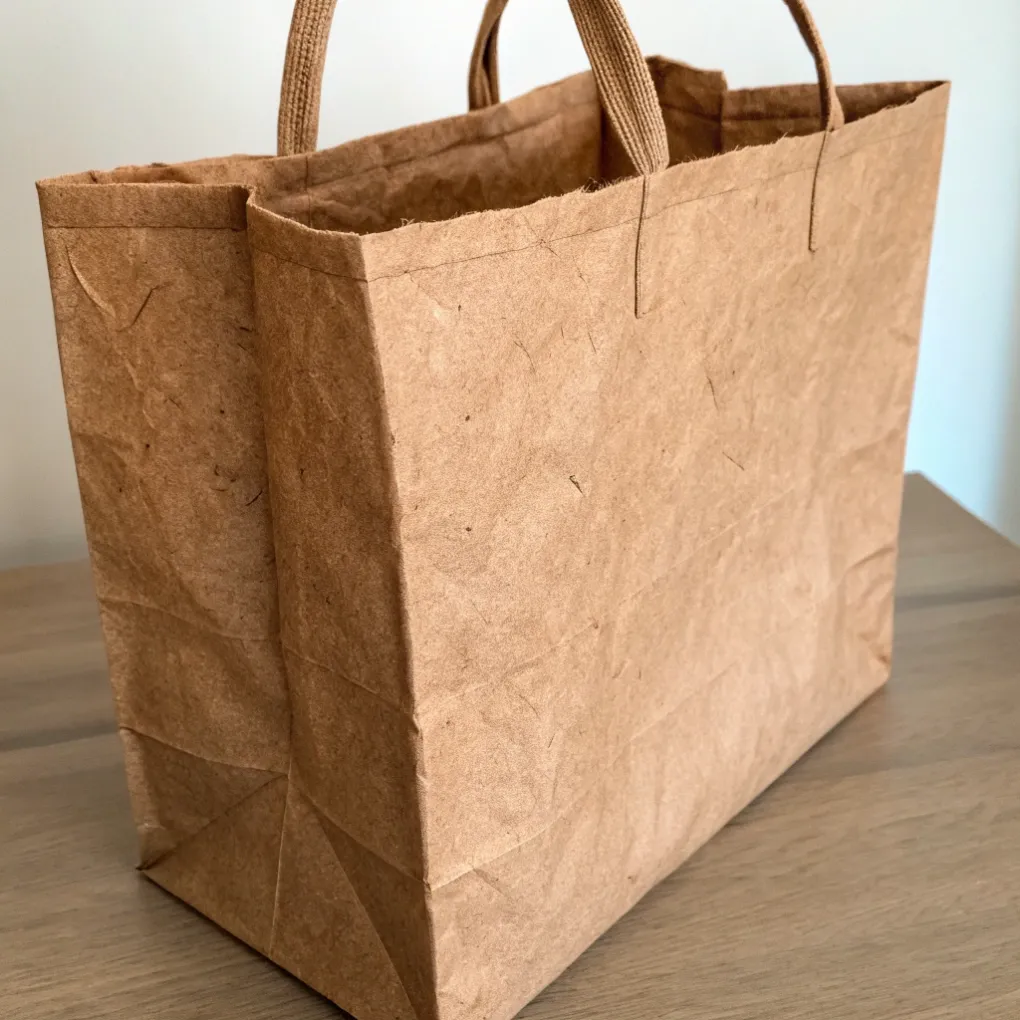
The Science Behind Kraft Pulping Strength
In my factory inspection experience, fiber length is what separates grocery bag paper from standard printing paper. The chemical kraft pulping process treats wood chips with sodium hydroxide and sodium sulfide. This dissolves the brittle lignin that binds wood cells without breaking down the cellulose fibers.
Because these long, interlocking virgin wood fibers remain intact, natural brown kraft paper can withstand heavy pulling tension and rough handling. Most standard grocery sacks use kraft paper weighted between 50# and 70# basis weight (roughly 75 to 115 GSM), providing high tear resistance without requiring plastic coatings.
Paper Property | Standard White Paper | Natural Brown Kraft Paper |
|---|---|---|
Fiber Structure | Short, fragmented fibers | Long, interlocked wood fibers |
Pulping Process | Mechanical / Bleached chemical | Unbleached chemical kraft process |
Tear Resistance | Low (Splits easily under load) | Exceptionally High (Absorbs tension) |
Recyclability | Standard | 100% Biodegradable & Compostable |
Specifying unbleached kraft paper ensures your grocery bags deliver superior physical strength while maintaining an authentic, eco-friendly aesthetic.
What Is the Best Bag to Use for Groceries?
Are you trying to decide between single-use paper sacks, plastic bags, and reusable fabric totes for your grocery shopping? Choosing the wrong grocery bag leads to torn handles, food contamination, or unnecessary environmental waste.
The best bag to use for groceries depends on your usage needs: heavy-duty cotton canvas totes and woven polypropylene bags are best for long-term reuse, while durable 1/6 BBL brown kraft paper bags are the best recyclable, biodegradable checkout option for bulk retail and spontaneous shopping trips.
Comparing Grocery Bag Types for Durability and Sustainability
At Latitude Experience Pte Ltd, marketing managers like Jacky frequently ask me how to balance eco-responsibility with customer convenience. Single-use thin plastic bags create massive environmental waste and easily puncture.
Reusable heavy-duty cotton canvas totes provide maximum comfort and multi-year longevity, holding up to 50 pounds easily. However, for supermarkets and retail stores offering checkout packaging, flat-bottom kraft paper sacks remain the premier sustainable choice because they are fully recyclable, home-compostable, and hold their shape during transport.
Grocery Bag Type | Reusability Lifespan | Weight Capacity | Environmental Footprint | Ideal Use Case |
|---|---|---|---|---|
1/6 BBL Kraft Paper Bag | 1 to 5 Uses | 30–40 lbs | 100% Biodegradable & Recyclable | Supermarket checkouts, food delivery |
Heavy-Duty Cotton Canvas Tote | 3 to 5+ Years | 40–50+ lbs | Highly sustainable if reused 100+ times | Planned personal grocery shopping |
Woven Polypropylene (PP) Tote | 1 to 3 Years | 30–45 lbs | Reusable, wipeable plastic blend | Wet produce, frozen food, beach runs |
Thin Single-Use Plastic | 1 Use | 10–15 lbs | High landfill pollution, microplastics | Being phased out globally |
Using heavy-duty kraft paper bags at checkout gives retailers the ultimate balance of load capacity, affordability, and verified environmental sustainability.
Conclusion
General grocery paper bags provide dependable strength, standardized 1/6 BBL sizing, and natural kraft paper sustainability, making them the premier choice for modern, eco-friendly grocery retail.