Sep 1, 2026Services Overview
Which Water Bottle Is Better, Copper or Steel?
Compare copper and stainless steel water bottles to find the better choice for daily use. Explore their durability, safety, maintenance, and practical benefits to choose the right bottle.
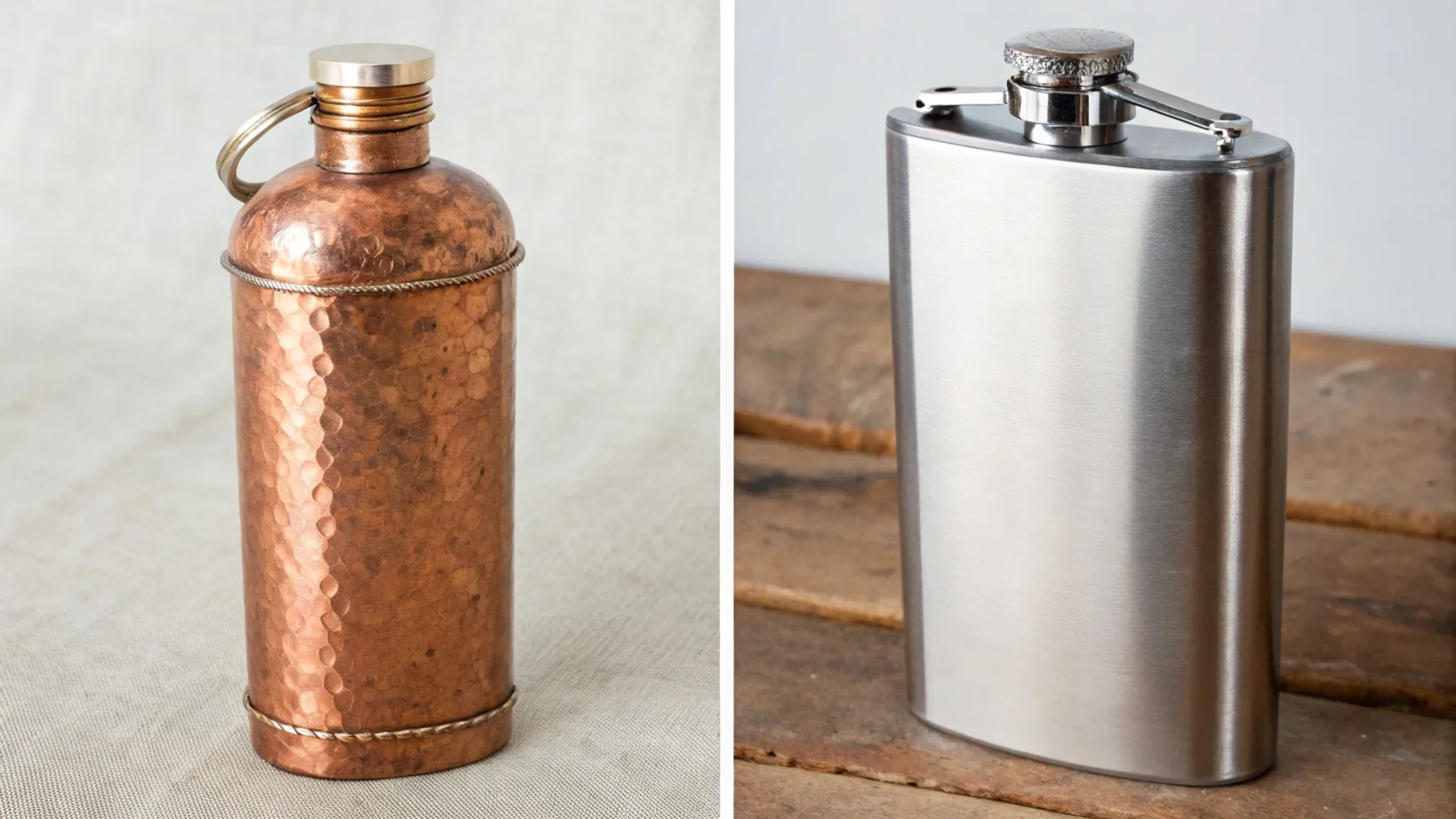
Which Water Bottle Is Better, Copper or Steel?
Are you struggling to choose between a traditional copper flask and a modern stainless steel bottle? Choosing the wrong material leads to tarnished surfaces, high maintenance, and metallic-tasting water.
Stainless steel is better for versatile, low-maintenance daily hydration and sports, while copper is better for traditional water storage at home, though it requires frequent polishing and cannot hold acidic drinks.
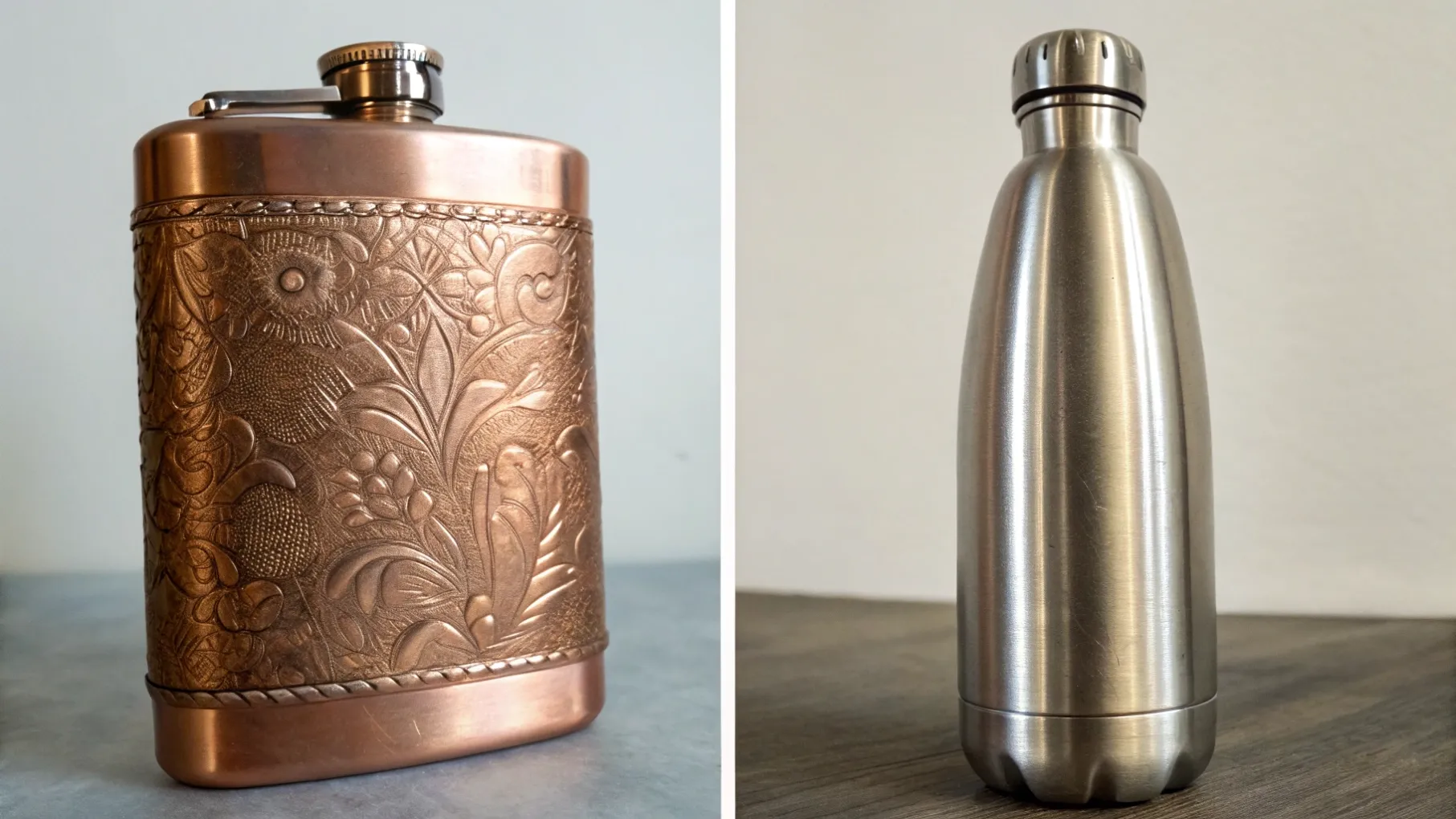
When I managed production lines in manufacturing and printing factories, clients often asked whether copper or steel made the best gift. In my view, neither is universally better. The right material depends on how the user lives, works, and cares for the bottle. Let us examine how copper and stainless steel compare for everyday hydration.
Which Water Bottle Is Good, Copper or Steel?
Do you find it difficult to balance the unique aesthetic appeal of copper with the practical durability of stainless steel? Picking the wrong bottle type creates daily cleaning hassles and frustrates recipients.
Both bottles are good for specific needs: stainless steel is best for double-wall insulation, commuting, and varied beverages, while copper is good for room-temperature water storage and traditional aesthetic appeal.
Comparing Core Properties and Daily Practicality
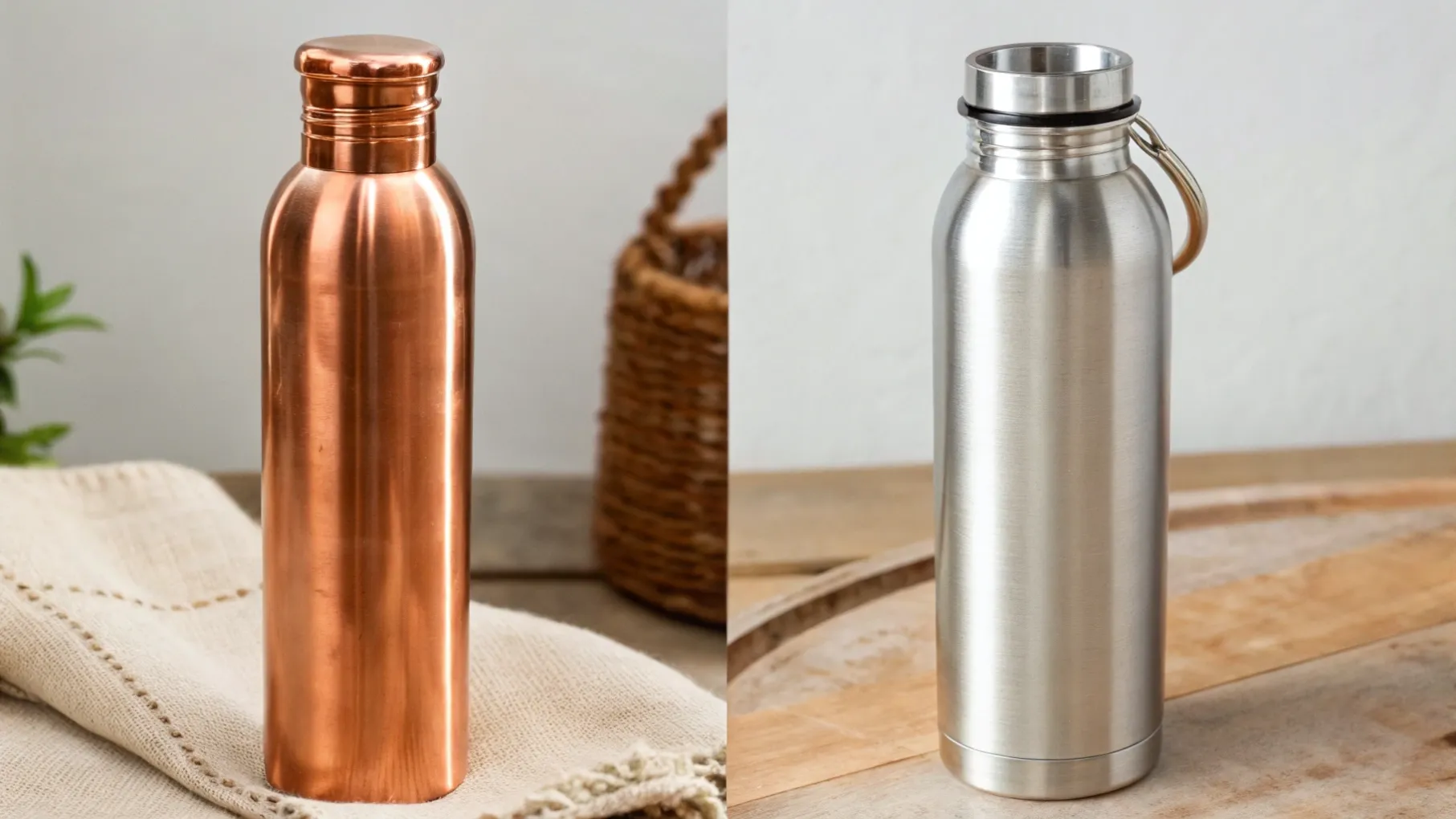
From my perspective, the biggest difference between copper and stainless steel is their relationship with everyday life. Copper has high thermal conductivity and a warm, distinctive appearance. However, single-wall copper gets uncomfortably hot to the touch when filled with hot tea, and it sweats heavily with ice water.
Stainless steel offers unmatched balance and convenience. High-grade 304 or 316 stainless steel resists rust, handles rough drops during travel, and cleans easily. Vacuum-insulated stainless steel bottles maintain beverage temperatures for up to 24 hours without external sweating. For marketing managers like Jacky sourcing bulk corporate gifts, stainless steel remains the safer, more versatile choice for diverse employee routines.
Practical Factor | Pure Copper Bottle | Vacuum Stainless Steel (304/316) | Practical Impact on User |
|---|---|---|---|
Daily Maintenance | High (Requires lemon/salt acid wash) | Low (Dishwasher or warm soap wash) | Steel saves time during busy work mornings |
Thermal Insulation | Poor (High conductivity, single wall) | Excellent (12h hot / 24h cold vacuum) | Steel keeps drinks icy during long commutes |
Impact Durability | Moderate (Soft metal, dents easily) | High (Tough alloy resists heavy drops) | Steel survives gym floors and transit bags |
Beverage Flexibility | Only plain, room-temperature water | Water, coffee, tea, and citrus juices | Steel handles diverse office drink preferences |
Is It Better to Drink from Copper or Stainless Steel Bottles?
Are you unsure if drinking from a copper bottle provides better health benefits than using an inert stainless steel flask? Confusing traditional wellness claims with everyday convenience leads to disappointing drinkware choices.
It is better to drink from stainless steel for an inert, non-reactive taste across all beverages, whereas copper is suitable only if you store plain water overnight and enjoy a distinct traditional character.
Chemical Reactivity, Taste, and Beverage Safety
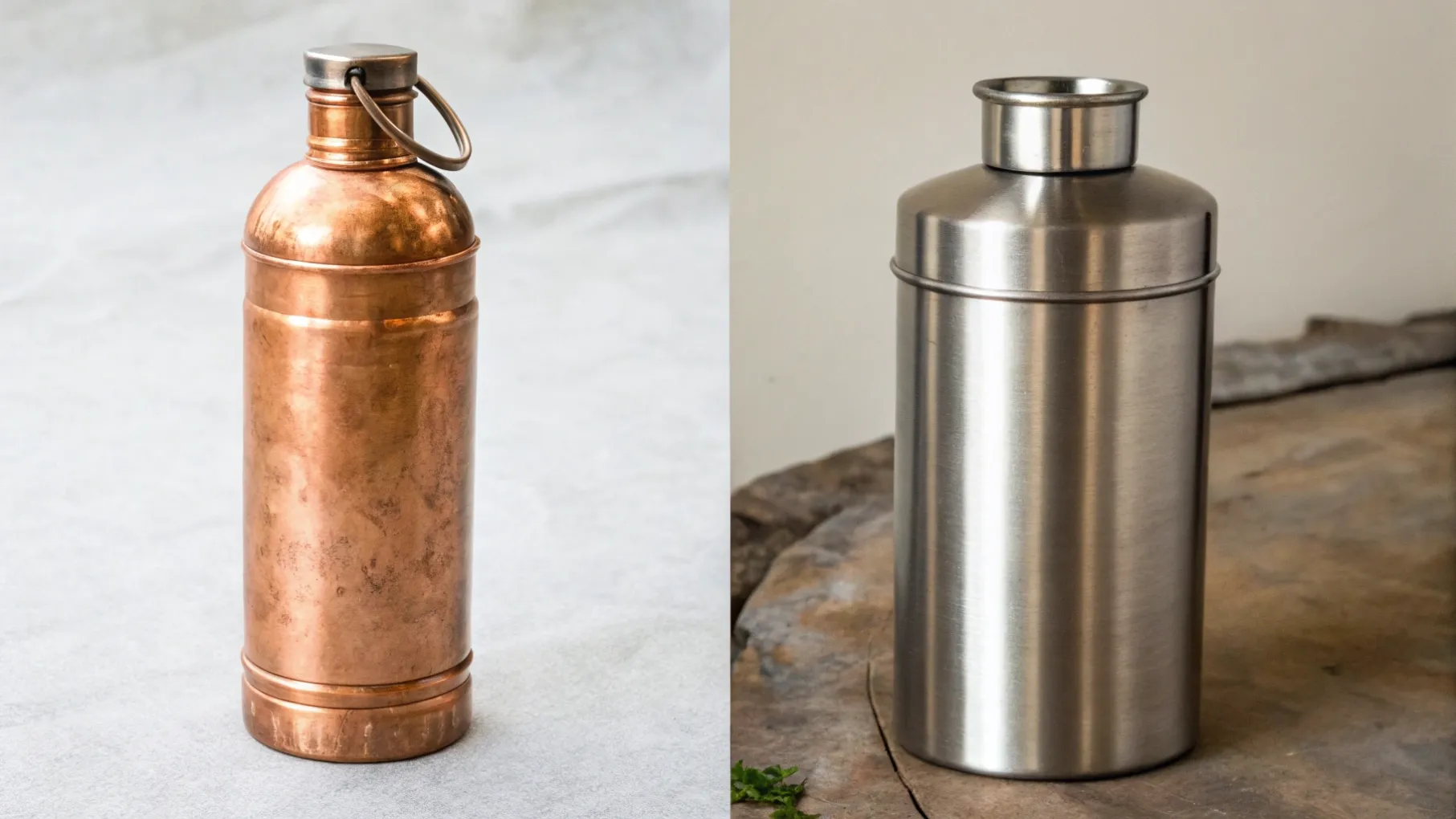
When evaluating drinking safety, chemical reactivity is the most important factor. Stainless steel forms a stable, self-healing chromium oxide layer that prevents metal leaching. This inert surface ensures that your water, iced tea, or lemon infusion tastes clean without any metallic aftertaste.
Copper is a reactive metal. If you put lemon water, fruit juices, milk, or hot coffee into an unlined copper bottle, the acids react with the metal walls. This reaction causes rapid metal leaching, creating a sharp metallic taste and potential stomach irritation. Copper should hold only plain water, making stainless steel far better suited for modern all-day hydration.
Beverage Category | Safe in Pure Copper? | Safe in Food-Grade Steel? | User Experience & Risk |
|---|---|---|---|
Filtered Plain Water | Yes (Room temperature only) | Yes (Hot, cold, or ambient) | Both safe; steel preserves cold temperature longer |
Lemon / Citrus Water | No (Acid attacks copper) | Yes (Resists fruit acids) | Acid in copper causes bitter taste and nausea |
Hot Coffee & Tea | No (Conducts heat, burns hands) | Yes (Double-wall keeps heat inside) | Steel allows safe, comfortable travel sipping |
Sports Electrolyte Drinks | No (Salts cause surface pitting) | Yes (Especially 316 grade steel) | Steel handles electrolytes without corrosion |
Is It Safe to Drink Copper Water Daily?
Do you worry about the health risks of consuming water stored in copper bottles every single day? Excessive copper intake can lead to mineral toxicity if containers are used incorrectly.
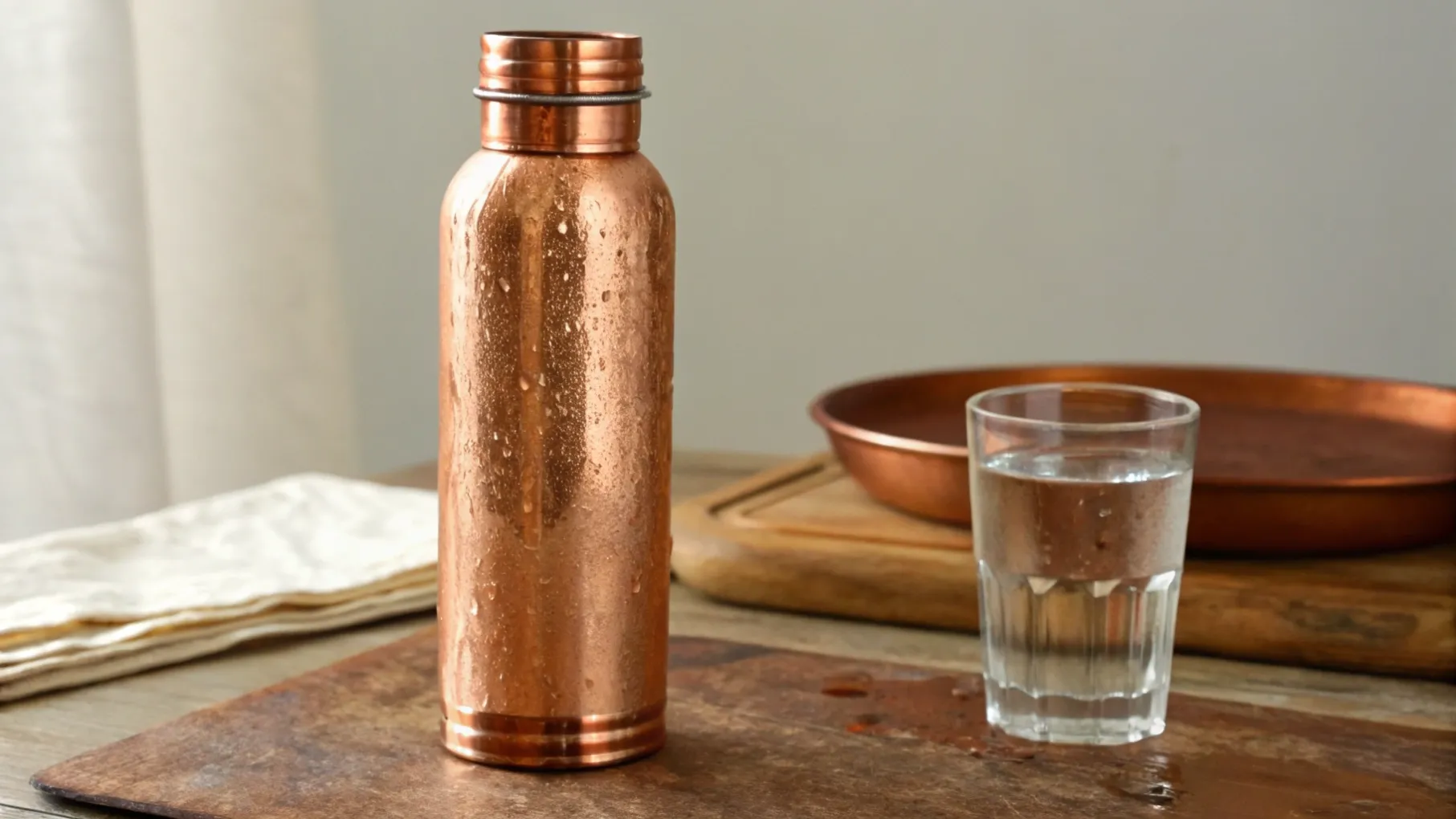
Drinking copper water daily is safe only in moderation, limited to 1 to 2 cups per day stored for 6 to 8 hours, because excessive daily intake can lead to copper toxicity and stomach discomfort.
Safe Limits and Proper Usage Guidelines
Copper is an essential trace mineral that supports red blood cell production and immune health. Traditional Ayurvedic practices recommend storing water in copper vessels overnight to infuse trace minerals. However, the human body needs only small amounts of copper each day.
Health authorities warn against using a copper bottle as your exclusive, all-day water source. Storing water in copper for days, or drinking from a bottle coated in green tarnish, increases copper ingestion beyond safe daily limits. To stay safe, drink one glass in the morning, clean the vessel regularly with natural lemon and salt, and rely on food-grade stainless steel for your main all-day hydration.
Safety Parameter | Recommended Standard | Unsafe Practice | Health Consideration |
|---|---|---|---|
Storage Duration | 6 to 8 Hours (Overnight) | Storing water for multiple days | Prevents excessive copper mineral buildup |
Daily Intake Limit | 1 to 2 glasses (Approx. 500 ml) | Drinking exclusively from copper all day | Stays well below safe daily mineral intake |
Interior Condition | Bright, clean, untarnished pink metal | Green patina or heavy dark oxidation | Avoids ingesting oxidized copper verdigris |
Cleaning Routine | Weekly natural mild acid rinse | Scrubbing with harsh wire pads | Protects smooth metal food-contact surface |
Conclusion
Choose stainless steel for a durable, insulated, and versatile daily water bottle, or select copper for traditional morning water rituals that balance character with mindful care.