Jun 26, 2026Services Overview
Which Is Better Stainless Steel or Plastic Water Bottle for Everyday Use?
For everyday use, stainless steel water bottles generally outperform plastic options by offering greater durability, better insulation, and a more sustainable long-term hydration solution.
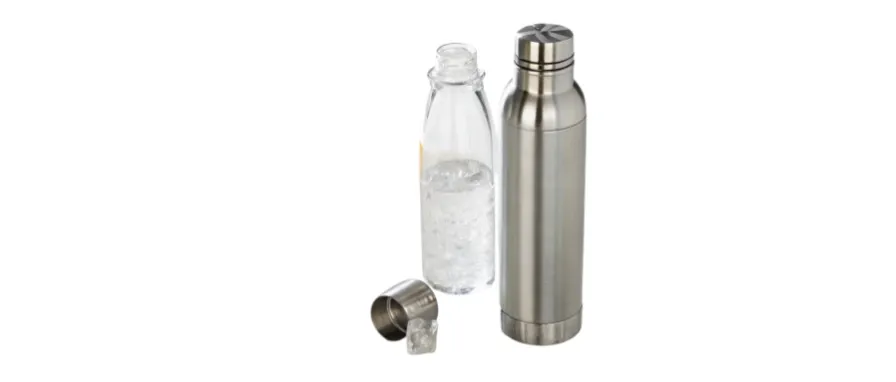
Which Is Better Stainless Steel or Plastic Water Bottle for Everyday Use?
Are you still relying on cheap plastic water bottles that crack easily and make your water taste like chemicals? Reusable plastic bottles often warp in the heat and quickly become a breeding ground for bacteria.
Stainless steel water bottles are far better than plastic water bottles because they offer superior durability, excellent temperature control, and a chemical-free drinking experience. While plastic is lightweight, stainless steel resists odors, lasts for years, and keeps your beverages hot or cold all day long.
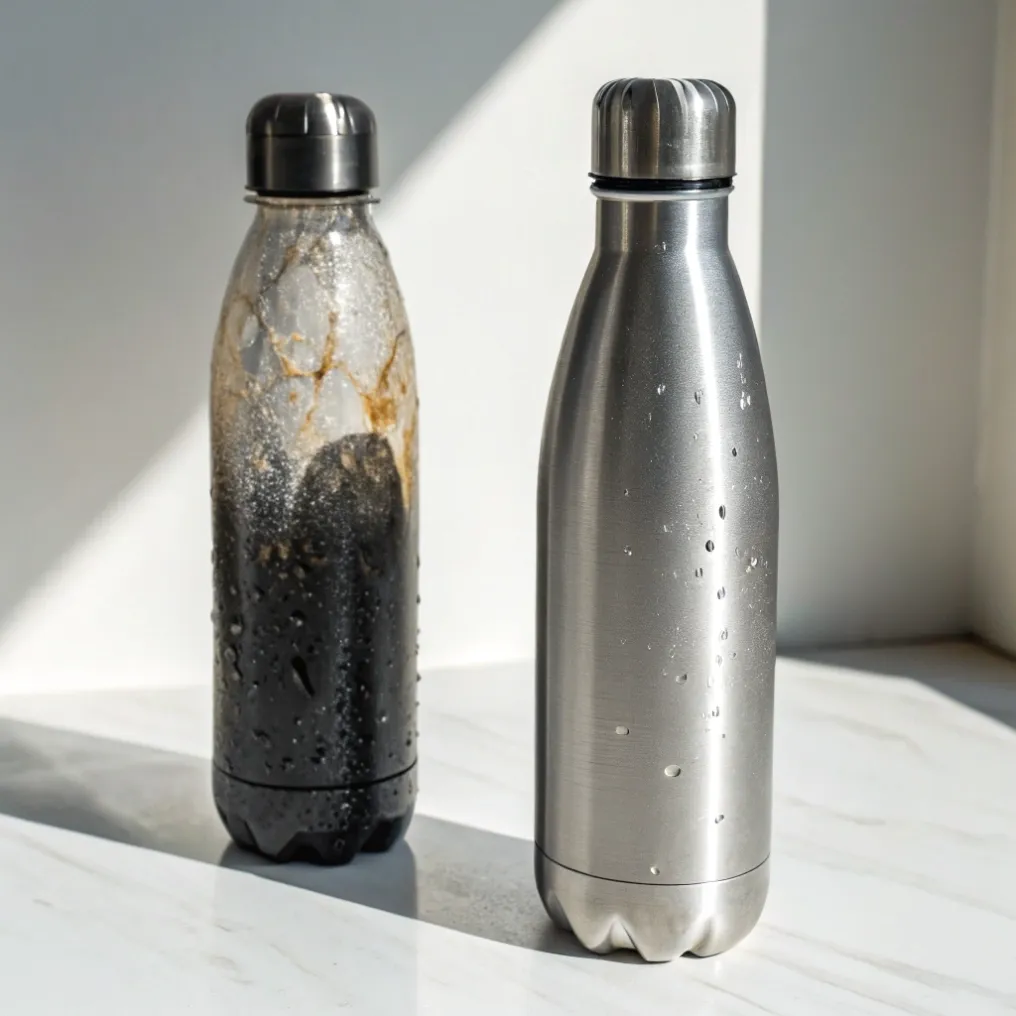
I used to carry a lightweight plastic bottle to all my outdoor marketing site visits. After leaving it in my hot car for just an hour, the water tasted metallic and plastic-infused, and the bottle itself began to warp out of shape. That was the exact moment I threw it away and invested in high-grade stainless steel.
What Is the Best Water Bottle to Avoid Microplastics?
Are you deeply concerned about the invisible plastic particles leaking into your daily drinking water? Recent health studies show that reusing old plastic containers causes them to degrade and release thousands of tiny microscopic fragments into your body. You need a clean, non-shedding alternative to protect your long-term health.
The best water bottles to avoid microplastics are those made from food-grade 304 or 316 stainless steel, or high-purity borosilicate glass. Because these materials are completely inorganic and solid, they do not break down or shed synthetic particles into your drinks, even when filled with boiling water.
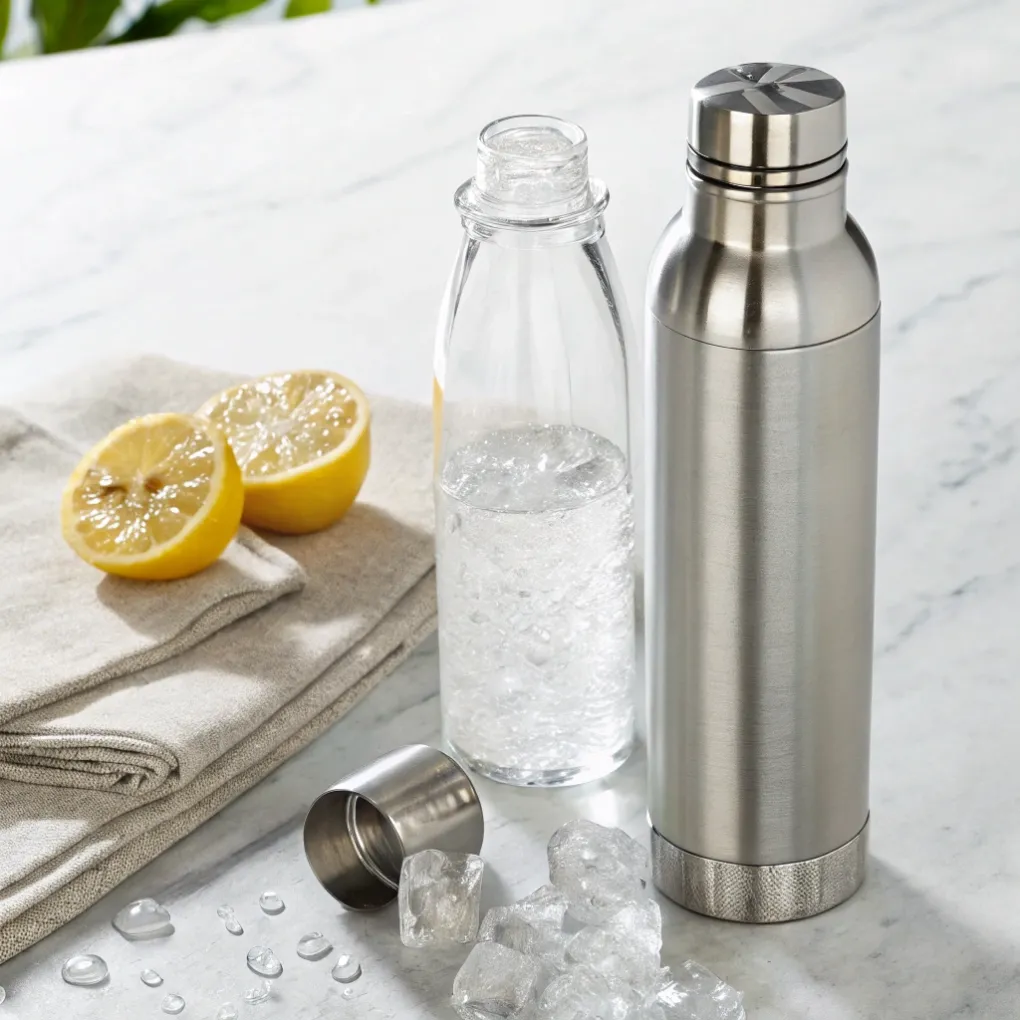
I did a deep dive into material safety when sourcing wellness gifts for our corporate clients. Many people assume that hard plastic bottles labeled BPA-free are completely safe, but those can still release microplastics over time as the interior gets scratched by cleaning brushes. When we shifted a client's order from plastic sports bottles to powder-coated stainless steel flasks, the peace of mind was immediate. Our clients appreciated receiving a gift that actively protected their health and well-being.
Bottle Material | Risk of Microplastics | Chemical Leaching Risk | Best Safety Benefit |
|---|---|---|---|
Food-Grade Stainless Steel | Zero | None (100% toxin-free) | Stable at high temperatures, scratch-resistant |
Borosilicate Glass | Zero | None (Completely inert) | Maximum purity, zero flavor retention |
Reusable Plastic (BPA-Free) | High | Medium (Can release alternative toxins) | Lightweight, but degrades quickly over time |
Avoiding microplastics requires looking at the entire bottle construction. Even on a steel bottle, look for lids that use medical-grade silicone seals instead of cheap plastic threads that rub together. By choosing a completely plastic-free interior path for your water, you ensure that every single sip you take stays pure, clean, and free from synthetic contamination.
Does Stainless Steel Give Off Microplastics?
Do you wonder if your metal flask contains hidden plastic components that could contaminate your drinks? Many consumers worry that the internal linings or outer coatings of stainless steel drinkware might secretly shed harmful particles. You deserve to know the exact truth about the materials you use daily.
No, pure stainless steel does not give off microplastics because it contains absolutely no plastic polymers or synthetic chemical compounds. It is a solid alloy made from natural elements like iron, chromium, and nickel, which means it cannot break down into plastic fragments.
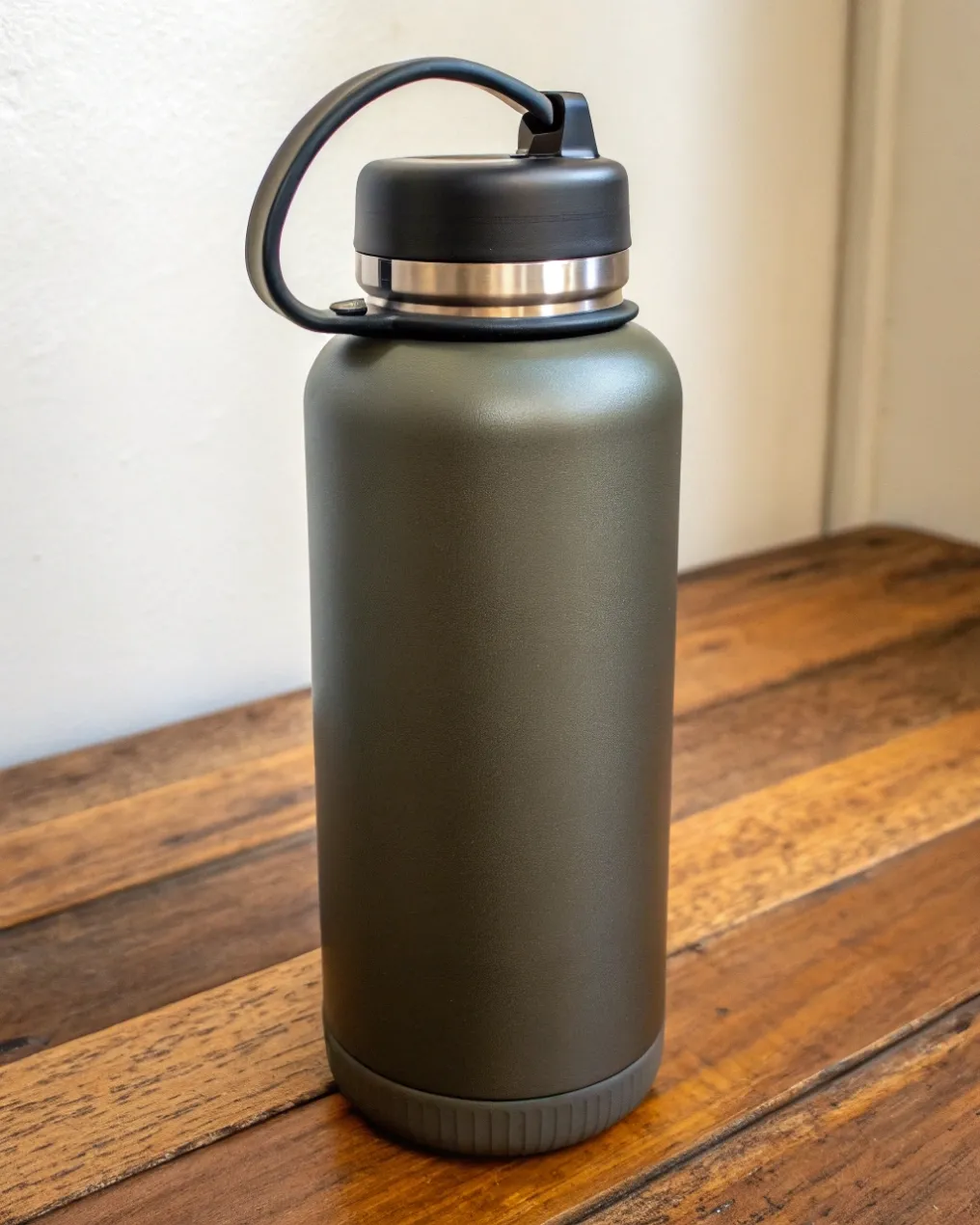
I often encounter buyers who are confused by the smooth texture inside high-end insulated flasks. They sometimes ask me if the metal has a plastic coating on the inside to prevent rust. The answer is always a firm no. Premium drinkware brands use an electro-polishing process to make the raw steel incredibly smooth and easy to clean. This process does not use any chemical sprays, meaning your water only touches pure, solid metal.
Material Component | Plastic Content | Degradation Behavior | Safety Profile |
|---|---|---|---|
18/8 Stainless Steel Body | 0% | Dents or scratches but remains structurally stable | 100% microplastic-free |
Premium Silicone Gasket | 0% | Remains flexible, resists heat up to high temperatures | Safe, food-grade material |
Cheap Plastic Straw Lid | 100% | Friction from closing causes micro-wear over time | Potential source of particles if worn out |
The only area where you might encounter plastic on a stainless steel bottle is the cap or the straw. If you want a 100% microplastic-free experience, look for flasks that feature a stainless steel interior lid lining. This ensures that even when your bottle sloshes around inside your gym bag, the liquid inside never touches a single piece of plastic.
What Is the Healthiest Water Bottle to Use?
Are you still searching for a daily hydration tool that guarantees the highest standard of purity and safety? With so many confusing marketing terms like eco-friendly and toxin-free, it is hard to know which bottle actually keeps your body healthy. You need a practical, simple guide to make the right choice.
The healthiest water bottle to use is a vacuum-insulated stainless steel bottle with a clean, unlined interior and a plastic-free cap. This specific design keeps your water ice-cold to prevent bacteria growth, avoids chemical leaching, and ensures you never ingest microplastics during your busy workday.
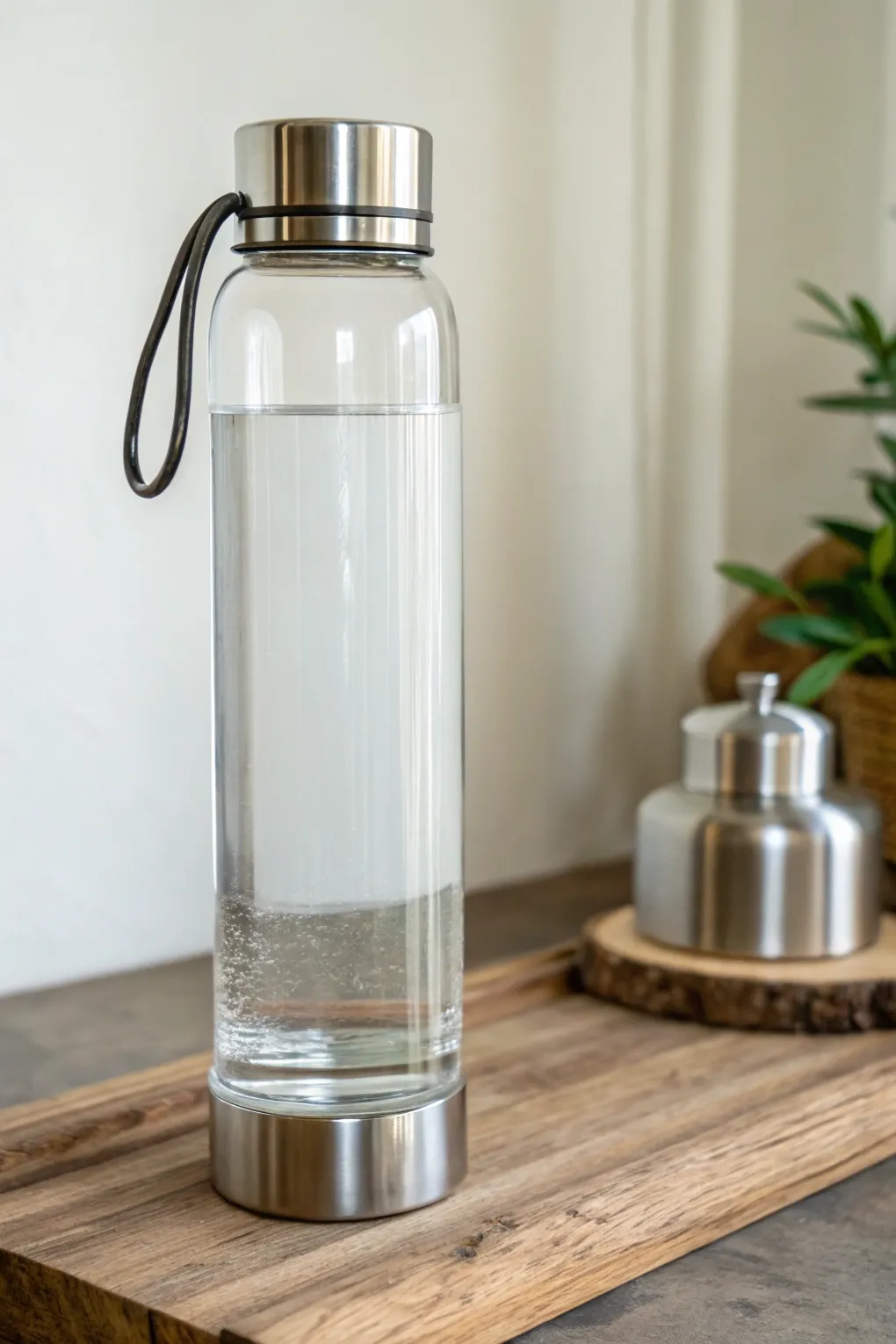
My personal choice for the healthiest setup is a 24-ounce double-wall stainless steel flask with a bamboo-topped steel lid. I carry it everywhere, from hot outdoor marketing events to cold air-conditioned boardrooms. The double-wall insulation does more than just keep my water refreshing; it also stops condensation from forming on the outside of the bottle, which prevents mold and dust from sticking to the surface.
Health Checklist Factor | Stainless Steel Flask | Standard Reusable Plastic |
|---|---|---|
Bacteria Resistance | High (Smooth metal surface is hostile to germs) | Low (Scratches trap bacteria easily) |
Temperature Regulation | Keeps drinks cold for 24 hours to retard bacterial growth | Warms up quickly, encouraging germ multiplication |
Odor Retention | Low (Washes clean easily without soap smells) | High (Holds onto old drink flavors and smells) |
When choosing your healthy bottle, focus on how easy it is to clean thoroughly. A bottle that has a wide mouth allows you to scrub every single corner with a standard bottle brush. This simple design feature prevents the buildup of dangerous bio-films and slime. When you combine a naturally safe material like steel with an easy-to-wash shape, you create the perfect, healthy hydration routine that supports your life for years to come.
Conclusion
Stainless steel water bottles are the healthiest choice because they completely eliminate the risks of microplastics and toxic chemical leaching. Upgrade to a durable metal flask today to protect your body and enjoy pure hydration.