Oct 16, 2026News & Insights
What Kind of Insulated Cup or Bottle Do You Want? The Essential Selection Guide
Choose insulated drinkware that suits your routine, combining durable stainless steel, reliable vacuum insulation, hygienic lids, practical capacity, and ergonomic design for everyday hydration.
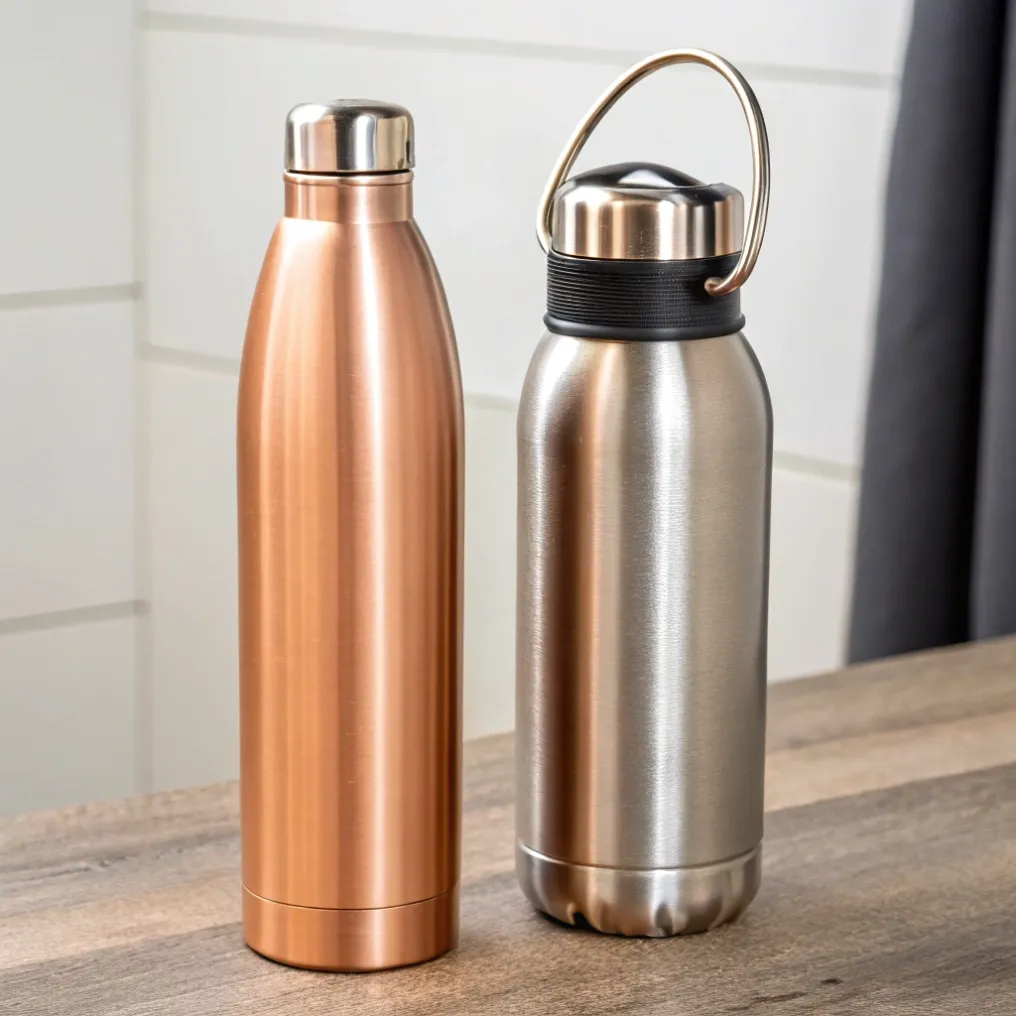
What Kind of Insulated Cup or Bottle Do You Want? The Essential Selection Guide
Do you spend money on insulated drinkware boasting extreme 48-hour cold claims, only to find the tumbler too top-heavy for your car cup holder, clumsy to carry on commutes, or impossible to clean without a specialized brush? Over-indexing on theoretical insulation specs while ignoring everyday ergonomics turns what should be an indispensable daily companion into forgotten cupboard clutter.
The kind of insulated cup or bottle you want directly matches your daily environment: a leak-proof 500 to 750 ml vacuum-insulated stainless steel bottle for commuting and active transit, a handled straw tumbler (800 to 1,200 ml) for all-day desk hydration, or a ceramic-lined travel mug (350 to 450 ml) for fresh, uncompromised hot coffee on the go.
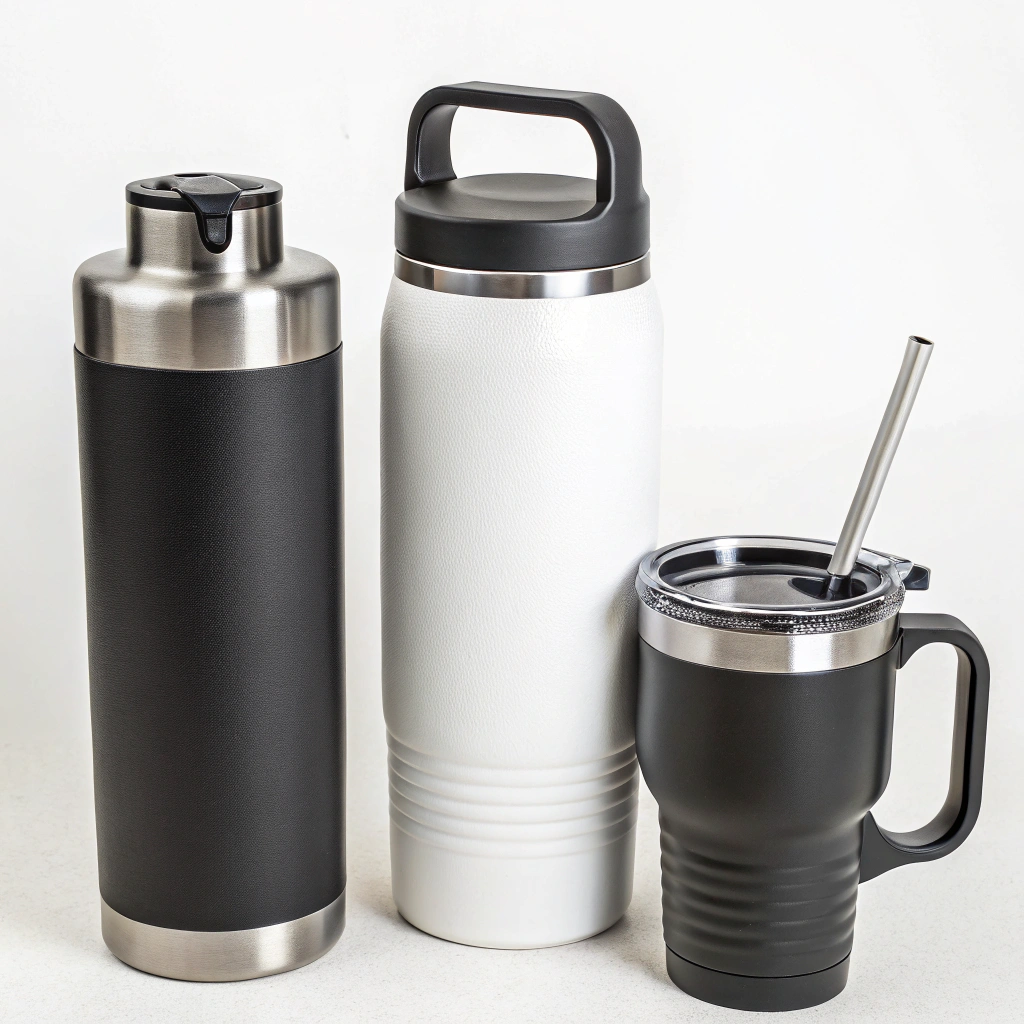
When I started my career working in a printing and corporate merchandise factory years ago, I handled thousands of insulated flasks, mugs, and tumblers. A double-wall vacuum vessel is not just a container; it is a thermal pressure system designed to integrate into your physical habits. If the lid threads cross easily, the base dents on the first drop, or the mouthpiece harbors trapped coffee odors, you will inevitably stop using it. Let us examine how to choose the right insulated drinkware profile, review the best benchmark designs on the market, and evaluate the real-world health and hygiene factors of insulated containers.
What Insulated Water Bottle Should I Get?
Are you torn between high-capacity travel tumblers, commuter-friendly screw-top bottles, and compact morning coffee mugs? Choosing the wrong vessel profile creates constant carrying friction that disrupts your hydration routine.
You should get an insulated water bottle that matches your primary transit style: select an enclosed vacuum bottle with a loop cap for mobile transit, a wide-mouth handled tumbler for high-volume desk hydration, or a ceramic-lined insulated mug for hot morning brew.
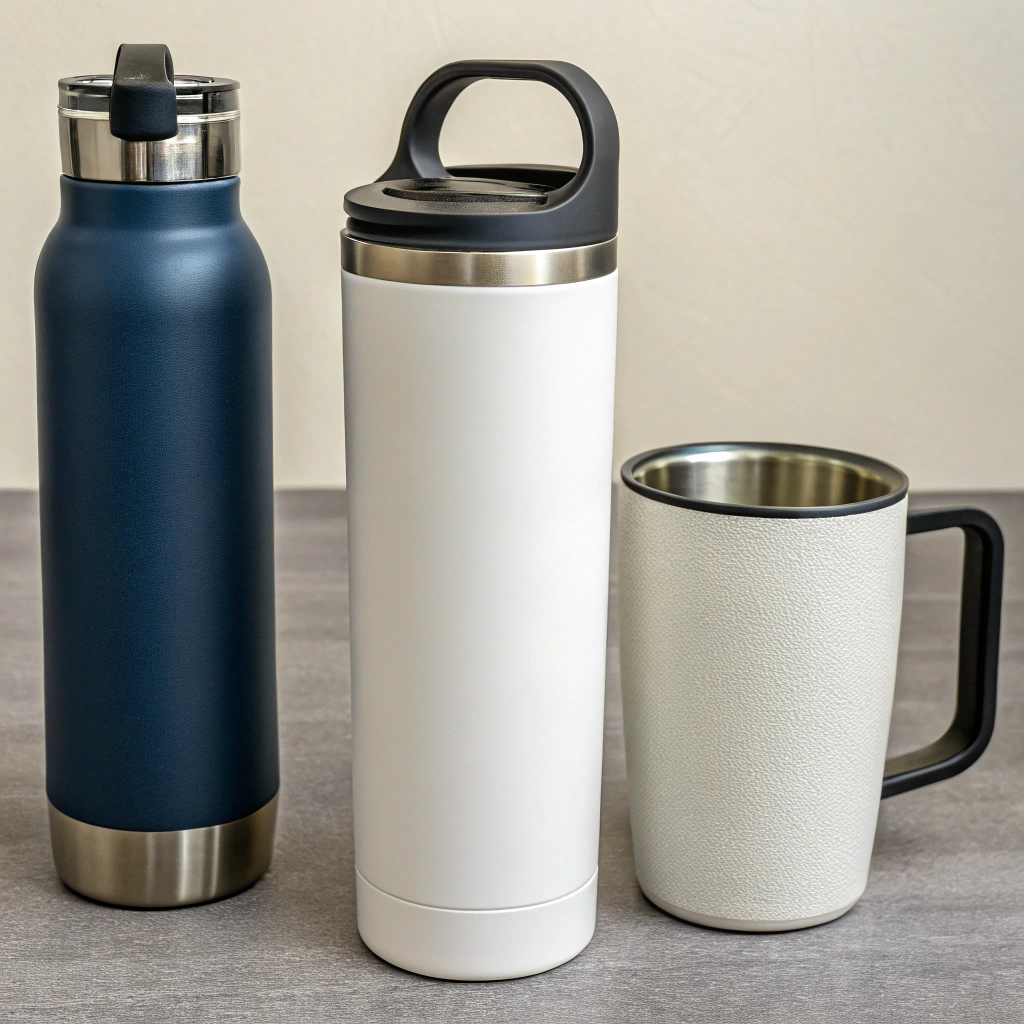
Form Factor Matching: Commuter Bottles, Desk Tumblers, and Coffee Mugs
The key to choosing the right drinkware is assessing where the vessel will spend the majority of its working life:
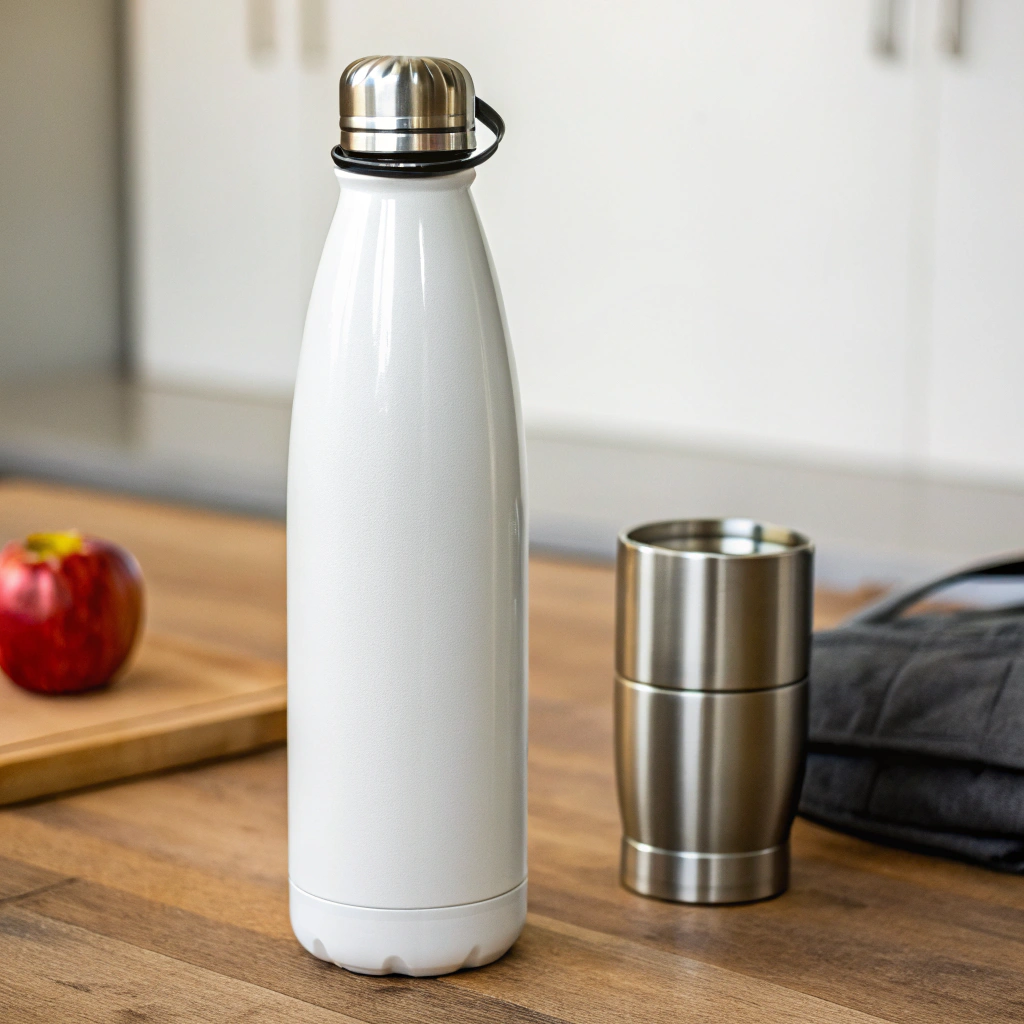
- Insulated Travel Bottles (The Transit Companion): Engineered for 100% leak-proof reliability inside commuter totes and backpacks. They typically feature standard 500 to 750 ml capacities, screw-down insulated caps with platinum-cured silicone seals, and slender 7 to 8 cm base diameters that fit universally into automotive consoles and aircraft seat pockets.
- Insulated Desk Tumblers (The All-Day Hydration Station): Built for seated convenience with capacities ranging from 800 to 1,200 ml. Featuring splash-resistant lids, integrated reusable straws, and ergonomic side handles, they encourage frequent, mindless sipping during long focus blocks without requiring constant trips to the water dispenser. However, because their straw ports are not hermetically sealed, they cannot be thrown loosely into bags.
- Insulated Travel Mugs (The Barista Specialist): Designed for hot tea and espresso-based beverages with compact 350 to 450 ml capacities. Look for vessels with internal ceramic coatings that eliminate metallic taste transfer, paired with 360-degree click-to-sip lids that regulate fluid flow and protect against scalding spills.
For brand managers like Jacky designing corporate gift packages or employee onboarding kits, selecting a 600 ml slimline double-wall vacuum bottle delivers maximum versatility, comfortably handling both executive travel and boardroom workstations.
Drinkware Form Factor | Typical Volume Capacity | Primary Closure Type | Best Daily Application | Core Limitation to Note |
|---|---|---|---|---|
Double-Wall Commuter Bottle | 500 to 750 ml | Hermetic screw-down loop cap | Commuting, transit, flights, backpacks | Requires two hands to unscrew and drink |
All-Day Desk Tumbler | 850 to 1,200 ml | Press-fit lid with built-in straw | Office workstation, home study, driving | Not leak-proof; spills if tipped upside down |
Ceramic-Lined Travel Mug | 350 to 450 ml | Push-button / 360° click-lock lid | Morning coffee runs, short transit | Smaller capacity requires frequent refilling |
Heavy-Duty Field Growler | 1,500 to 2,000 ml | Wide-mouth gasketed cap + handle | Outdoor site work, athletics, camping | Very heavy (over 2 kg when filled); bulky base |
What Are the Best Insulated Bottles?
Have you ever wondered which engineering specifications distinguish a high-performance insulated bottle from an ordinary mass-market promotional flask? Evaluating internal vacuum architecture helps you identify products that truly perform over years of daily use.
The best insulated bottles combine food-grade 18/8 (304) or 316 stainless steel, a copper-plated vacuum barrier layer, a durable electrostatic powder-coat exterior, and a modular lid that disassembles completely for effortless sanitization.
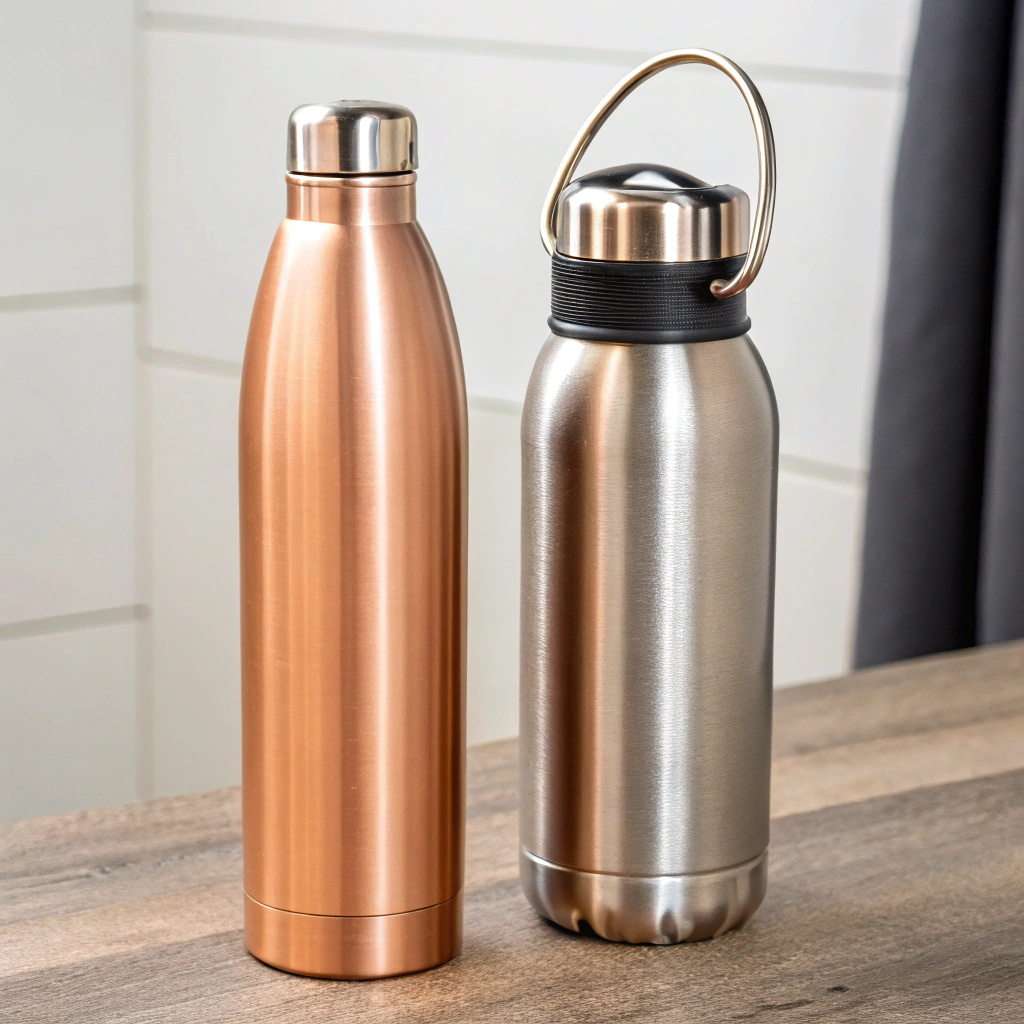
Vacuum Brazing, Copper Liners, and Mechanical Hardware Standards
Exceptional thermal performance relies on high-temperature vacuum brazing ovens operating at 570°C, which evacuate all air between the inner and outer metal walls to eliminate conductive and convective heat transfer. Top-tier manufacturers add a microscopic electrolytic copper plating to the outside of the inner stainless steel chamber. This copper shield acts as an infrared mirror, bouncing radiant thermal energy back into the beverage to maintain ice-cold temperatures for over 24 hours or steaming heat for 12 hours.
Beyond thermal ratings, the best bottles prove their value through mechanical hardware:
- Thread Precision: Threads should engage smoothly within one to one-and-a-half rotations without squeaking, sticking, or cross-threading.
- Impact-Absorbing Bases: A slightly recessed base with a thick steel bottom cap or removable silicone boot prevents perimeter denting when placed roughly onto granite or concrete surfaces.
- Restrained Branding Placement: For corporate gifts and enterprise merchandising, subtle decoration—such as tonal laser engraving or discrete blind base debossing—keeps the bottle refined and ensures users carry it proudly in professional settings.
Benchmark Standard | Entry-Level Promotional Bottle | High-Performance Vacuum Bottle | Marine-Grade Luxury Standard |
|---|---|---|---|
Metal Specification | Industrial 201 Steel (Interior/Exterior) | Food-Grade SUS304 (18/8) Throughout | SUS316 Interior Core + 304 Outer Shell |
Insulation Technology | Basic double-wall air or weak vacuum | High-temp vacuum brazing + Copper liner | Vacuum chamber + Copper barrier + Ceramic lining |
Exterior Durability | Thin gloss solvent spray (Chips easily) | Electrostatic matte powder coating | Textured, scratch-resistant powder coat |
Lid Hardware | Basic glued black rubber gasket | Platinum silicone seal with removal tab | Modular disassembling lid with food-safe PP #5 |
Thermal Guarantee | 4 to 6 Hours moderate retention | Cold: 24 Hours / Hot: 12 Hours | Cold: 30+ Hours / Hot: 16 Hours |
Are Insulated Bottles Healthy?
Are you concerned about rumors regarding heavy metal migration, peeling internal coatings, or hidden black mold building up inside reusable insulated drinkware? Knowing how materials interact with your drinks ensures your hydration remains safe and hygienic.
Yes, insulated bottles made from certified 304 or 316 food-grade stainless steel are exceptionally healthy because they are chemically inert, naturally passivated against acid corrosion, and 100% free of BPA, phthalates, and microplastics.
Chromium Oxide Passivation, Gasket Hygiene, and Biofilm Prevention
High-grade austenitic stainless steel owes its safety to a naturally forming, microscopic chromium oxide passive layer. This invisible film prevents bare iron from oxidizing into rust and stops metal atoms from leaching into plain water, black coffee, or acidic beverages like lemonade. Unlike aluminum drinkware, which requires baked synthetic epoxy or resin inner linings that can crack, scratch, and degrade over time, stainless steel is solid, unlined, and non-reactive throughout.
Health risks in reusable bottles almost never stem from the steel itself; they arise from poor lid maintenance:
- The Gasket Mold Trap: Moisture trapped underneath non-removable silicone gaskets creates an ideal breeding ground for bacterial biofilms and black mold. Always select bottles featuring pull-tab gaskets that can be easily removed, soaked in mild soapy water or diluted white vinegar, and air-dried weekly.
- Internal Electropolishing: Quality insulated vessels undergo internal electropolishing to level microscopic surface imperfections. This creates a satin mirror finish that prevents beverage tannins and mineral deposits from sticking to the walls.
- Avoiding Bleach and Harsh Halogens: Never sanitize stainless steel bottles with chlorine bleach or harsh scouring pads, which strip away the protective chromium layer and can cause localized micro-pitting corrosion.
Health & Safety Variable | Food-Grade 304/316 Stainless Steel | Ceramic-Coated Stainless Steel | Lined Aluminum Bottle |
|---|---|---|---|
Microplastic Shedding | Completely Zero | Completely Zero | Zero (Until internal liner degrades) |
Chemical Leaching (Acidic Drinks) | Zero leaching (Chromium passivated) | Completely inert mineral barrier | Hazardous if interior liner is scratched |
Taste & Odor Retention | Very low (Washes clean with soap) | Zero (Impervious to coffee tannins) | Moderate (Liner can absorb aromatics) |
Bacterial Adhesion Resistance | High (Smooth electropolished finish) | Very High (Non-porous glaze finish) | Moderate (Micro-abrasions trap bacteria) |
Conclusion
The best insulated cup or bottle is the one tailored to your daily routine, combining durable food-grade 304 stainless steel with double-wall copper vacuum insulation, an easy-to-clean modular lid, and a practical form factor that makes healthy hydration effortless every single day.