Jun 26, 2026Services Overview
What Kind of Insulated Cup or Bottle Do You Want?
Choosing the right insulated cup or bottle depends on lifestyle, temperature retention, portability, and design, with stainless steel options remaining popular for daily hydration.

What Kind of Insulated Cup or Bottle Do You Want?
Struggling with water bottles that leak in your bag or leave your morning coffee lukewarm by mid-day? Most generic drinkware focuses entirely on technical gimmicks rather than how a bottle actually fits into your busy, moving routine.
The ideal insulated cup or bottle is a double-walled vacuum container designed to maintain beverage temperatures for hours while providing effortless daily usability. The best choice balances thermal performance with practical features like leak-proof lids, ease of cleaning, and a comfortable, scuff-resistant exterior.
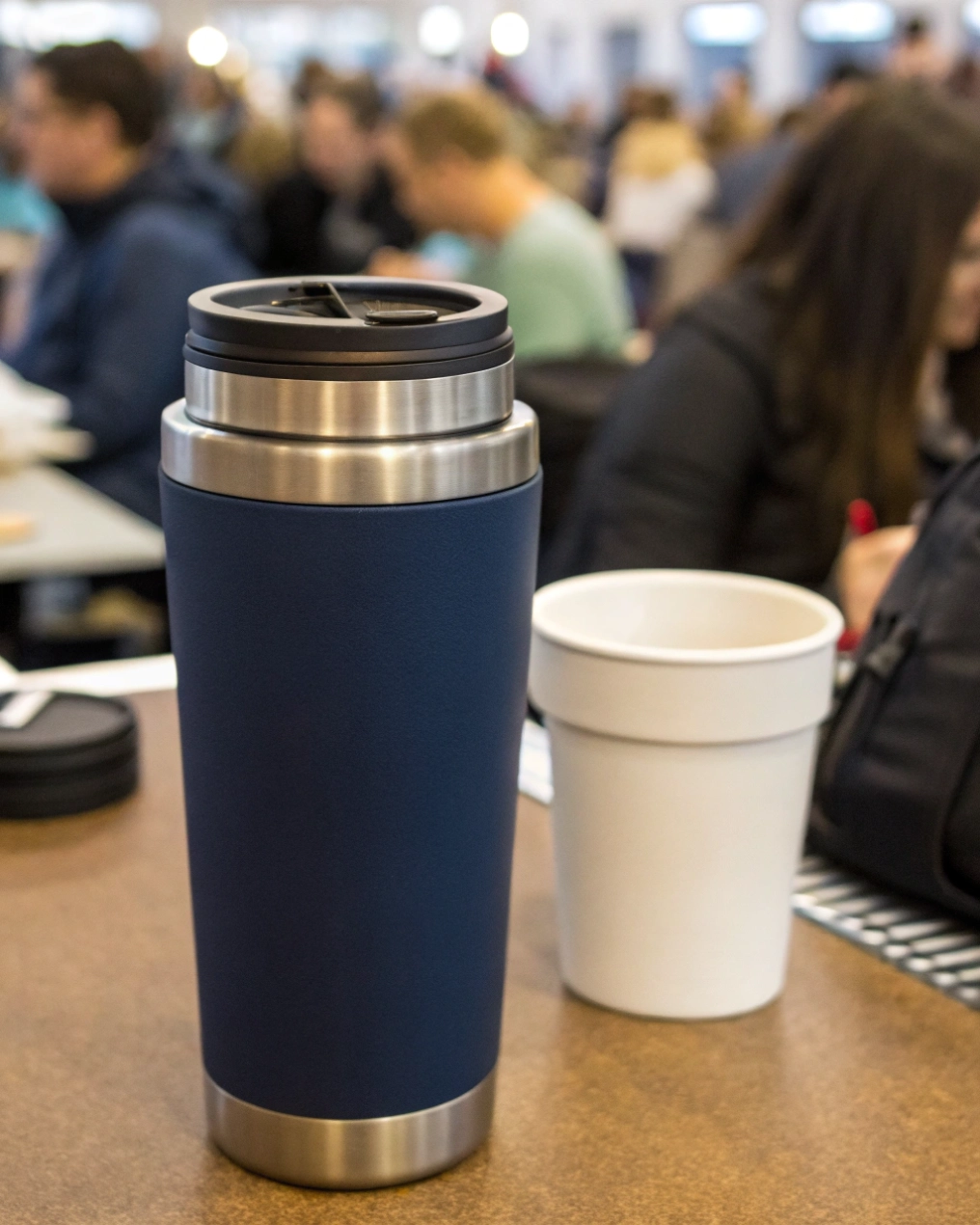
I have spent ten years on production lines and in branding offices, and I know that a water bottle has become far more than a simple utility container. It is a physical handshake for your brand and a permanent fixture on desks, gym mats, and commute trains. At Latitude, I see many clients order oversized or overly complex bottles because they look impressive on paper. But if a bottle is too heavy or difficult to wash, people leave it in the cupboard. Let's look at how to choose a bottle that people will voluntarily carry every single day.
Which Insulated Bottle Is the Best?
Are you feeling overwhelmed by the endless sea of stainless steel brands and matching price tags online? Finding the absolute best bottle means looking past flashy logos and focusing entirely on material grades and lid designs.
The best insulated bottle is made from food-grade 18/8 stainless steel and features a simple, highly durable powder-coated finish and a completely leak-proof lid. It should offer clean temperature retention without altering the taste of your drink or adding unnecessary weight to your daily carry gear.
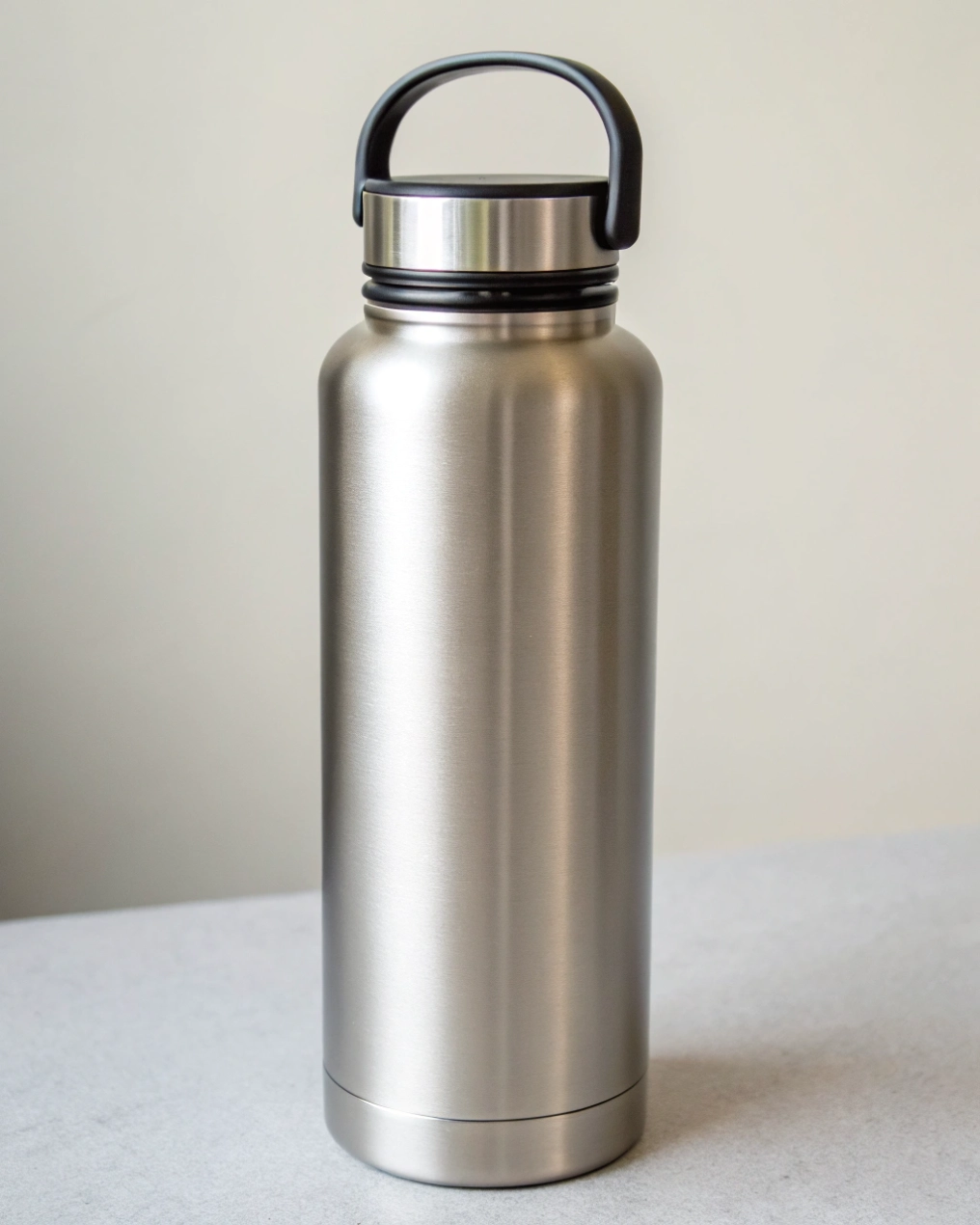
From my perspective as a marketing manager, the "best" bottle is the one that removes all daily friction. I always look closely at the interior construction. High-quality 18/8 (Pro-Grade) stainless steel is crucial because it resists rust and protects against flavor transfer. You want to be able to drink black coffee in the morning and fresh water in the afternoon without tasting a weird metallic mix. The exterior coating matters just as much; a textured powder finish provides a solid grip even when your hands are sweaty at the gym.
I also guide my clients to look closely at lid mechanics. Complex lids with built-in straw systems or multi-piece push buttons look high-tech, but they trap bacteria and are a nightmare to clean properly. A simple, robust wide-mouth screw cap or a clean flip-top is usually the superior choice. It ensures a tight, reliable seal that won't spill liquid over your laptop or expensive design files when tossed into a backpack.
Bottle Attribute | Low-End Promo Bottles | High-Quality (Best) Bottles |
|---|---|---|
Steel Grade | Low-grade 201 steel (Prone to rust) | Premium 18/8 or 304 Stainless Steel |
Insulation Type | Single-wall or basic foam filler | Double-wall vacuum insulation |
Exterior Finish | Smooth gloss paint (Scratches easily) | Rugged, non-slip powder coating |
Lid Assembly | Cheap plastic with thin silicone rings | Food-safe BPA-free plastic / Deep thread |
I remember a project where we sourced corporate gifts for a regional bank team. They originally wanted a complex bottle with digital temperature screens on the cap. I steered them toward a clean, double-walled vacuum bottle with a rugged matte finish instead. The feedback was fantastic because the bottles were incredibly durable and went straight into the dishwasher without breaking any electronics.
What Is the Meaning of Insulated Bottles?
Are you curious about the actual science behind how a metal flask keeps your drinks icy cold during hot afternoons? Understanding the engineering helps you see why these bottles are vastly superior to standard plastic or glass containers.
The meaning of an insulated bottle refers to its double-walled construction separated by a sealed vacuum pocket. Because heat requires a physical medium like air to travel, removing the air between the walls eliminates thermal conduction, successfully trapping hot or cold temperatures inside the container.
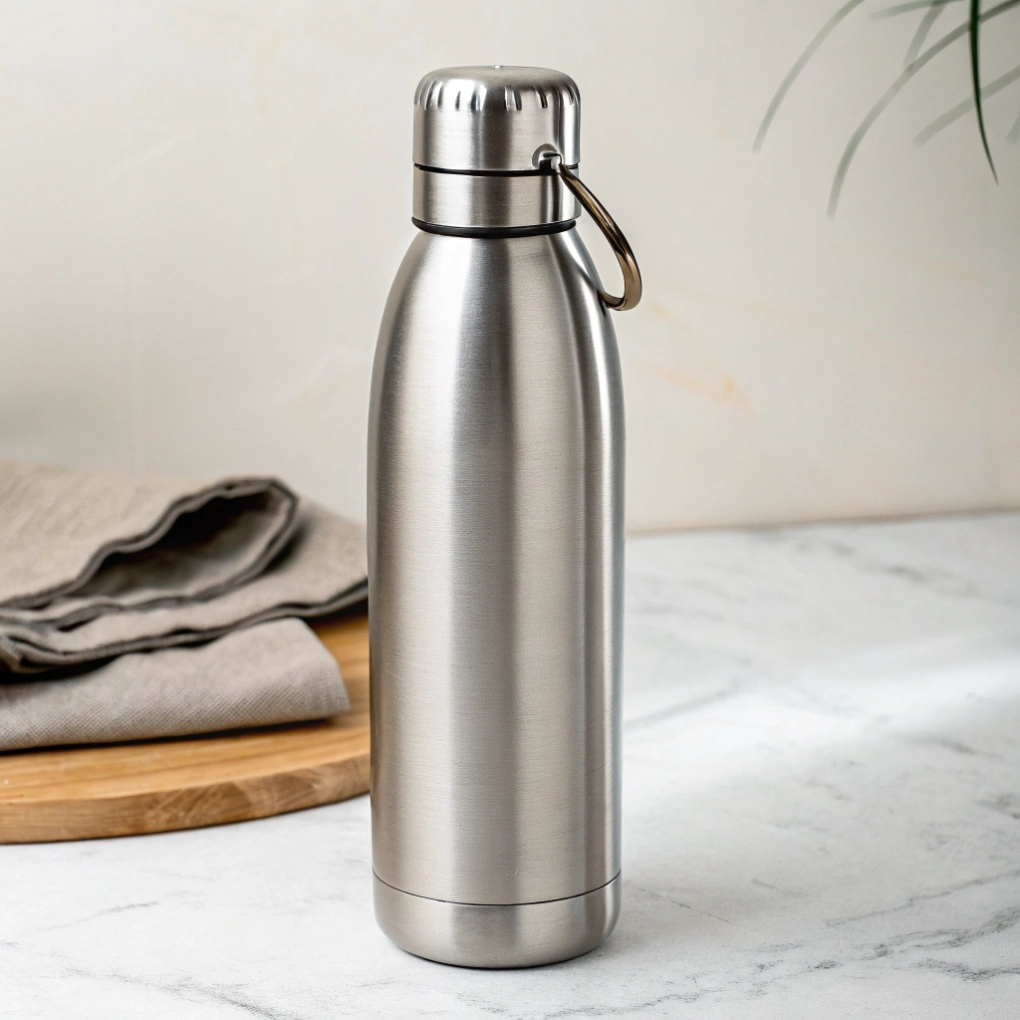
In my early factory days, I watched how thermal products were tested for quality control. If you put hot water into a single-wall metal bottle, the heat moves straight through to the outside, burning your hand and cooling the liquid instantly. An insulated bottle acts like an invisible shield. By sucking all the air out of the space between the inner and outer steel liners, factories stop heat from escaping or entering. It is a simple physical law that works perfectly without needing any batteries or power sources.
This structural design also prevents condensation, commonly known as "sweating." When you put ice water into a regular plastic bottle on a humid Singapore day, moisture collects on the outside and leaves wet rings on your wooden desk or papers. A vacuum-insulated bottle stays completely dry on the outside, regardless of how cold the liquid is inside. It keeps your workspace neat and professional, which makes it a highly useful tool for modern office environments.
Insulation Term | Technical Function | Real-World User Benefit |
|---|---|---|
Double-Wall | Two distinct layers of steel sheet | Adds structural strength and drop safety |
Vacuum Seal | Air is completely extracted from gap | Stops thermal conduction and sweating |
BPA-Free Liner | Food-grade interior surface | Ensures clean taste and zero toxic leeching |
Copper Coating | Optional internal reflective wrap | Bounces heat rays back to maximize retention |
I often explain this science to Jacky and other branding managers when we select merchandise. When you give a client a vacuum bottle, you are giving them an engineered tool that solves a real daily hassle. It signals that your business appreciates high standards, logic, and functional quality, which elevates your entire brand story.
Is an Insulated Bottle Worth It?
Do you hesitate to pay a higher price for a premium flask when cheap plastic bottles are available everywhere? Looking at the long-term cost per use and environmental impact reveals that quality insulation is always a smarter financial choice.
Yes, an insulated bottle is entirely worth the investment because it outlasts dozens of cheap plastic containers and delivers superior daily utility. By keeping your drinks at the perfect temperature all day, it saves you money on single-use beverages while actively cutting down on personal plastic waste.
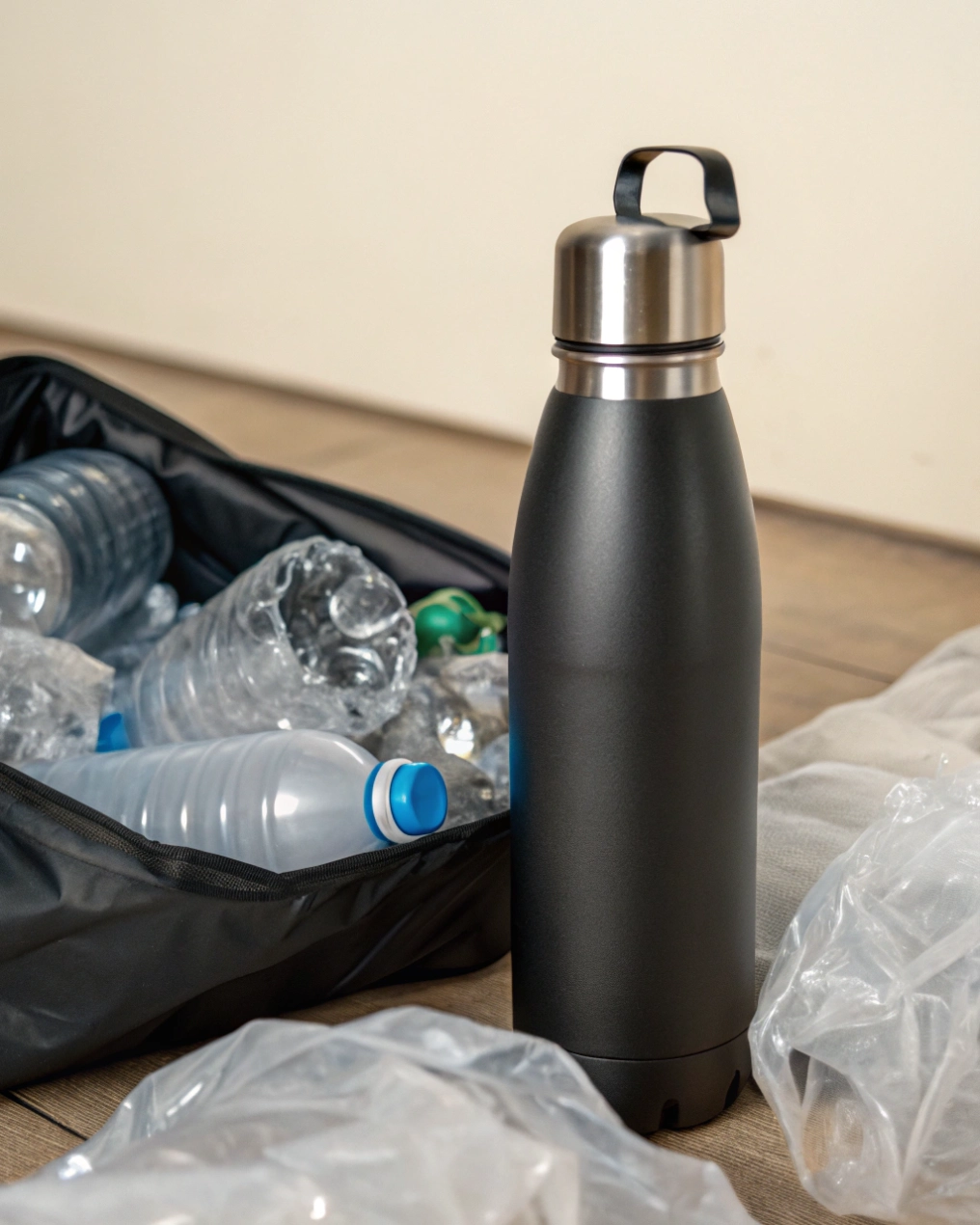
I look at product spending through the lens of longevity and return on investment. If you buy a cheap plastic water bottle for five dollars, it will likely scratch, leak, or smell bad within a few months, forcing you to replace it. A premium $30 stainless steel vacuum bottle can easily last for five to ten years of rough daily use. The math favors the better product every single time, especially when you factor in the emotional comfort of always having an icy cold drink ready during a hot afternoon.
Furthermore, from a corporate branding perspective, an insulated bottle is one of the most effective tools for visibility. People carry favorite bottles everywhere—from boardrooms and fitness centers to airports and cafes. It becomes a permanent accessory that shares your logo with the public naturally. If the product is durable and useful, the user builds a positive emotional connection with your brand every time they take a sip.
Investment Choice | Initial Unit Cost | Average Lifespan | Brand Visibility |
|---|---|---|---|
Disposable Plastic | Very Low ($) | 1 day (Trash bin) | Zero (Looks cheap and wasteful) |
Basic Plastic Sport | Low ($$) | 3 - 6 months | Low (Scratches quickly) |
Premium Vacuum Steel | Medium ($$$) | 5+ Years (Rugged) | Extremely High (Daily public use) |
I recall a marketing campaign where a trading company distributed branded vacuum flasks to their top one hundred distributors. Two years later, I still see those distributors using those exact flasks during business meetings. The initial cost was higher than a standard paper or plastic giveaway, but the long-term brand alignment and repeated usage made it an incredibly profitable decision for their marketing budget.
Conclusion
The ideal insulated cup or bottle succeeds by combining thoughtful simplicity, rugged 18/8 steel construction, and real vacuum performance. Investing in high-quality drinkware removes daily friction from your routine, reduces plastic waste, and keeps your brand visible for years.