Oct 12, 2026Success Stories
What kind of gift should I give ?
Discover how to choose the right gift for any occasion by considering the recipient’s interests, needs, and preferences. Explore thoughtful, practical, and personalized gift ideas that create lasting
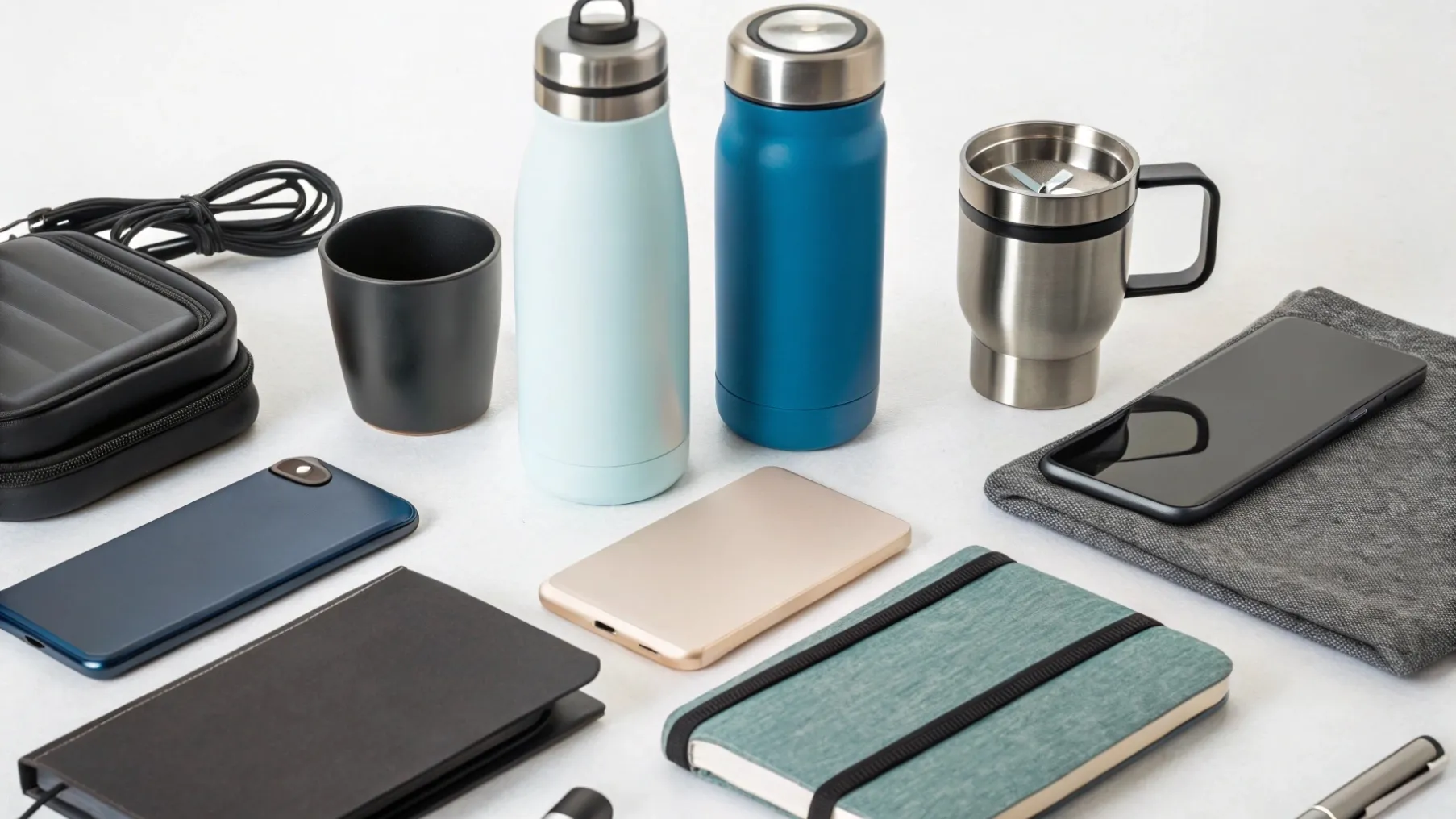
What kind of gift should I give ?
Choosing the perfect client gift feels overwhelming sometimes. Get it wrong, and you waste money and opportunity. A thoughtful gift, however, strengthens relationships and keeps your brand top-of-mind.
The best gifts show genuine appreciation. They should be useful to the recipient, reflect your brand's quality and values, and be appropriate for your professional relationship.
I’ve always believed that even small gestures can carry enormous weight in business. A simple gift, chosen carefully and branded well, does more than just say "thank you". It tells your brand story, shows you value the relationship, and builds trust. That connection is invaluable. Let’s explore how to choose gifts that truly resonate with your clients.
What are good gifts to give to clients?
Picking client gifts feels like a gamble sometimes. Will they actually use it, or will it end up in a drawer? Choose wisely to make a real impact, not waste your budget.
Good client gifts are practical, high-quality, and align with your brand. Think useful desk items, quality drinkware, relevant tech gadgets, or even gourmet treats, ideally personalized or thoughtfully branded.
From my years helping businesses with corporate gifts, I've seen firsthand what works. The gifts that get the best reactions aren't always the most expensive, but they are always thoughtful and useful. A gift that solves a small problem or adds a bit of convenience to their day gets remembered. It shows you understand them beyond just the business transaction. Quality is also key – a cheap gift reflects poorly on your brand. Finally, ensure the gift makes sense coming from you and fits the professional context.
Practicality Matters
Does the gift serve a purpose in your client's daily life?
- Office Essentials: Quality pens, notebooks, desk organizers, or mousepads are often appreciated.
- Tech Accessories: Power banks, wireless chargers, USB drives, or earbuds are highly practical in today's world.
- Drinkware: Insulated tumblers, coffee mugs, or stainless steel water bottles get used daily.
- Travel Items: Luggage tags, travel adapters, or neck pillows can be great for clients who travel often.
Quality Reflects Your Brand
The gift is an extension of your company's image.
- Material: Choose durable materials that feel substantial. A flimsy gift suggests low standards.
- Functionality: Ensure the item works well and reliably. A faulty tech gadget is worse than no gift at all.
- Presentation: Good packaging enhances the perceived value and shows extra care.
Matching the Gift to the Client
Consider their industry, role, and your relationship.
- Industry Relevance: Can the gift relate to their field? (e.g., a measuring tool for someone in construction).
- Personal Interests (if known): A gift related to a hobby shows you pay attention, but be careful not to get too personal.
- Appropriateness: Ensure the gift aligns with corporate gifting policies and cultural norms. Here’s a quick guide:
Gift Type | Usefulness | Quality Perception | Branding Potential | Considerations |
|---|---|---|---|---|
Quality Drinkware | High | High | Excellent | Choose good design |
Tech Gadgets | High | Medium to High | Good | Ensure reliability |
Desk Accessories | Medium | Medium to High | Good | Can seem generic |
Medium | Medium to High | Excellent | Aligns with values | |
Gourmet Food/Drink | High (short term) | High | Limited (packaging) | Check preferences |
What is the most popular gift item?
Want your gift to be a hit? Choosing something popular increases the chances it will be used and appreciated. But popular doesn't always mean best for your specific goals or clients.
Currently, popular corporate gifts often include reusable drinkware (especially insulated bottles/mugs), useful tech accessories like power banks, eco-friendly items showing sustainability, and wellness-related products.

Trends definitely play a part, but the items that remain popular year after year usually share common traits: they are practical, look good, and offer good branding opportunities. In my experience, items that people can use regularly, whether at their desk, commuting, or at home, tend to be the most successful. The rise in environmental awareness has also made sustainable gifts incredibly popular, as it aligns with many companies' values.
Why These Items Stay Popular
Let's examine the reasons behind the popularity of certain categories:
- Drinkware Dominance: Insulated bottles and mugs are used daily by almost everyone. They keep drinks hot or cold, reduce single-use cup waste, and offer a large, visible area for branding. I see companies order these time and again because they just work.
- Tech Utility: We rely heavily on our devices. Power banks, wireless chargers, quality earbuds, or even smart water bottles address real needs. They have a high perceived value and associate your brand with usefulness and modernity.
- Eco-Conscious Choices: Gifts made from sustainable materials (bamboo, recycled PET) or promoting reuse (tote bags, reusable utensil sets) resonate strongly. They signal corporate responsibility, which is increasingly important to clients and employees alike.
- Wellness Focus: Items like yoga mats, essential oil diffusers, or fitness trackers tap into the growing emphasis on health and well-being. These show you care about the recipient's overall welfare. Here’s how some popular categories stack up:
Category | Popularity | Perceived Value | Branding Space | Why It's Popular |
|---|---|---|---|---|
Drinkware | Very High | High | Excellent | Daily use, eco-friendly, visible |
Tech Accessories | Very High | High | Good | Practical need, modern image |
Eco-Friendly Bags | High | Medium | Excellent | Sustainability, practical |
Quality Notebooks | High | Medium | Good | Useful, professional |
Wellness Items | Medium | Medium to High | Varies | Shows care, taps into health trend |
Choosing a popular item is often a safe bet, but always consider if it truly aligns with your specific client and brand message.
How do you categorize gifts for clients?
Giving the same gift to every single client might not be effective. How do you decide who gets what without breaking the bank or causing offense? Strategic categorization is the answer.
Categorize client gifts based on factors like the client's value or potential, the specific occasion, your relationship depth, or the gift's intended purpose (e.g., appreciation vs. prospecting).

I always advise clients to think about why they are giving a gift and who it's for before choosing. A 'one-size-fits-all' approach rarely works well. Segmenting your clients allows you to allocate your budget more effectively and choose gifts that are genuinely appropriate for each relationship level or situation. It prevents awkwardness – like giving a very expensive gift to a new prospect or a cheap trinket to a loyal, high-value partner.
Common Categorization Methods
Here are a few ways you can structure your gifting strategy:
- Tiered Approach (Based on Value): This is very common. You create different gift levels based on how much business the client brings in or their strategic importance.
- Tier 1 (VIP Clients): Highest value, receive premium, often personalized gifts.
- Tier 2 (Regular Clients): Good quality, useful branded items.
- Tier 3 (Prospects/New Clients): Lower cost but still thoughtful items to make a good first impression.
- Occasion-Based Selection: The reason for the gift dictates the type and value.
- Holiday Gifts: Often widely distributed, moderate value, festive theme.
- Milestone Gifts (Anniversary, Project Completion): More significant, reflects achievement.
- Thank You Gifts: Can range from simple to elaborate depending on what you're thanking them for.
- Event Giveaways: Typically lower cost items distributed broadly for brand awareness.
- Purpose-Driven Gifts: Align the gift with your specific marketing or relationship goal.
- Brand Awareness: Useful items with clear branding (e.g., tote bags at a trade show).
- Relationship Building: More personalized or higher quality items for key contacts.
- Lead Generation: Practical items given in exchange for contact information or a meeting.
Here’s an example of a tiered structure:
Client Tier | Relationship Value | Budget per Gift | Example Gift Ideas | Purpose |
|---|---|---|---|---|
VIP | High Strategic | $$$ | Premium tech, high-end travel gear, personalized | Deepen loyalty, show value |
Regular | Steady Business | $$ | Quality insulated tumbler, good power bank, journal | Maintain relationship, thanks |
Prospect | Potential Future | $ | Branded notebook & pen, reusable coffee cup | Introduction, brand recall |
Categorizing helps ensure your gifting is strategic, budget-conscious, and makes the right impression every time.
Conclusion
Choosing the right client gift matters. Focus on useful, quality items that reflect your brand and show genuine appreciation. Categorizing gifts helps tailor your approach effectively, building stronger business relationships.