Aug 25, 2026News & Insights
What Is the Best Canvas Bag Cloth for Custom Totes and Daily Use?
Choose durable canvas cloth by balancing fabric weight, weave density, strength, comfort, and care needs to create reliable custom totes for everyday use.
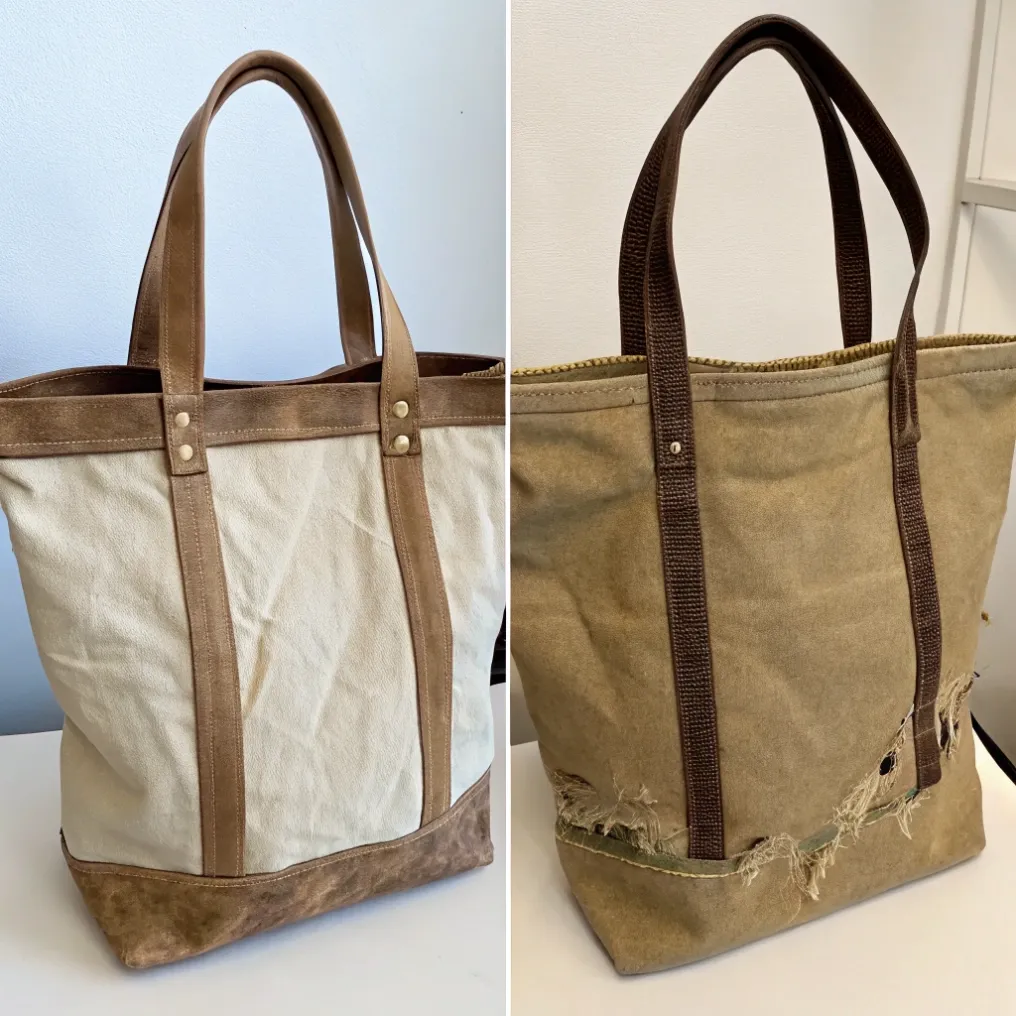
What Is the Best Canvas Bag Cloth for Custom Totes and Daily Use?
Do you pick canvas tote bags based only on low prices, only to find the fabric rips and fades quickly? Cheap, flimsy bags tear easily and ruin your company branding.
Canvas bag cloth is a heavy-duty, plain-woven fabric made from cotton, linen, or synthetic blends, designed to offer high tear resistance, structured durability, and a stable surface for custom logo printing.
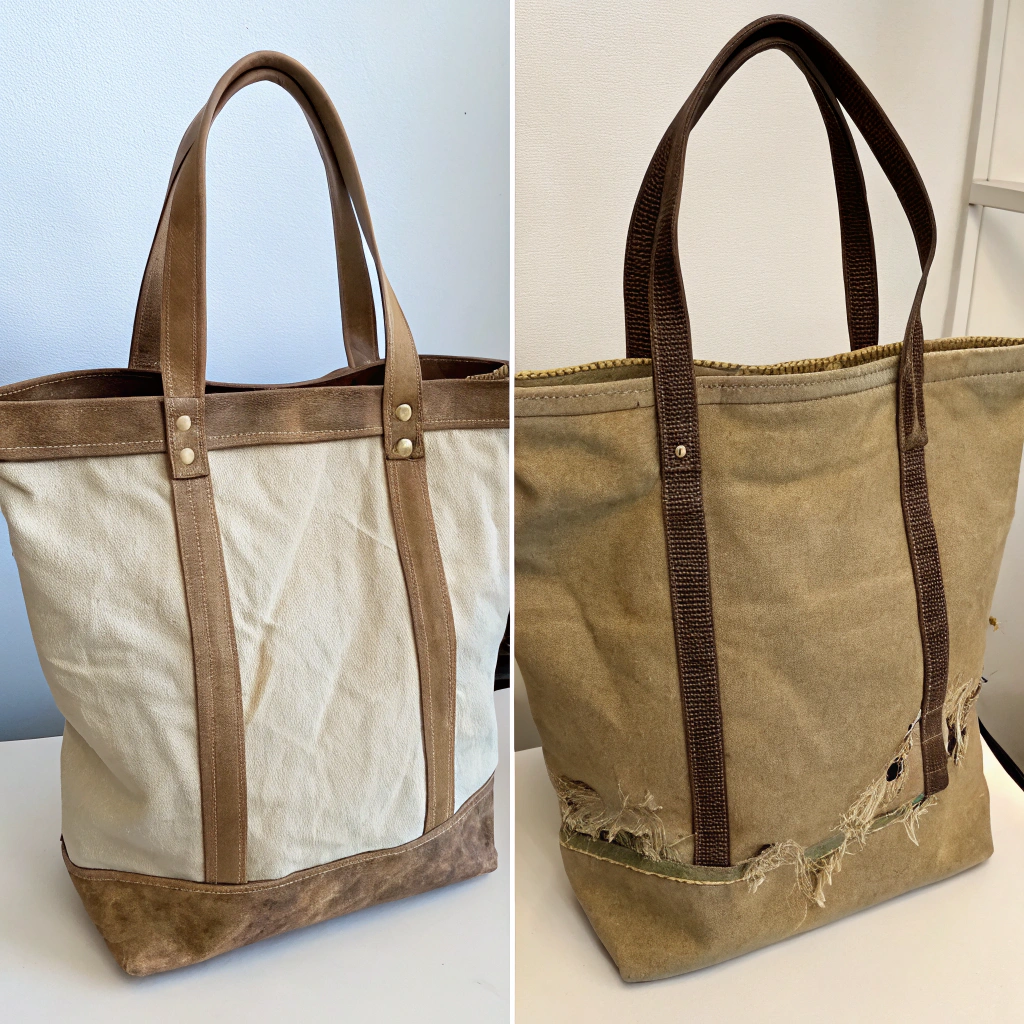
When I worked in a printing factory years ago, I saw many buyers assume all cotton cloth was the same. Cotton describes the fiber, while canvas describes the weave and weight. Let us look at how you can pick the right canvas cloth for your custom tote bags.
What Is Canvas Fabric for Bags?
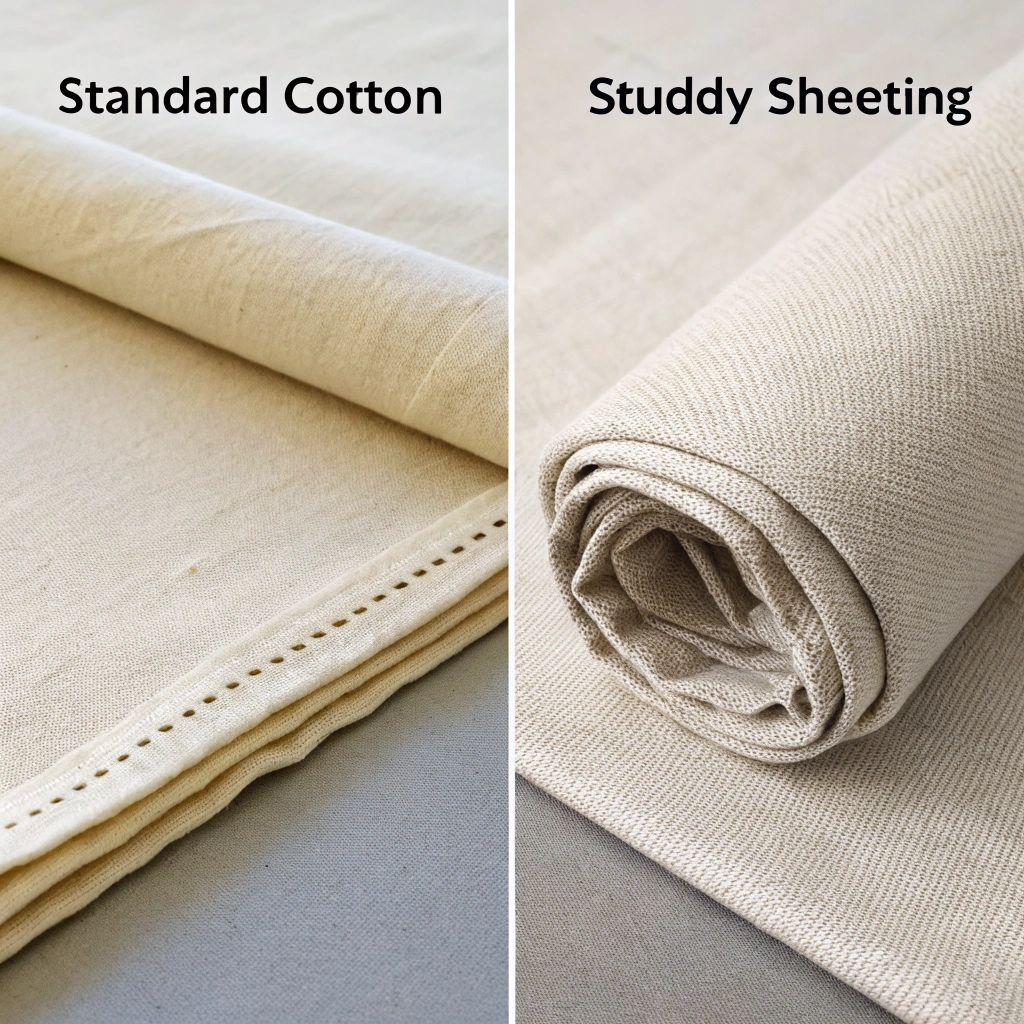
Do you struggle to understand the difference between standard cotton sheeting and sturdy canvas fabric when browsing supplier catalogs? Picking the wrong fabric weight leads to sagging totes that cannot hold heavy items.
Canvas fabric for bags is a thick, plain-weave or duck-weave textile made from tightly twisted cotton or synthetic yarns that provides exceptional structural strength, shape retention, and long-term durability.
Understanding Fabric Weight, Weave, and Structure
Many buyers think that canvas and cotton are mutually exclusive. In truth, a bag can be both cotton and canvas. Cotton tells you the raw material, while canvas tells you how tightly the yarns are woven together. A plain cotton sheet will tear under heavy loads, but a cotton canvas weave easily supports laptops, books, and groceries.
However, heavier does not always mean better. Selecting the thickest fabric increases production costs, makes the bag stiff, and raises international shipping rates. For trade show giveaways holding light brochures, a 6 oz to 8 oz lightweight cotton cloth works well. For a retail-quality shopping bag, a 10 oz to 12 oz medium canvas provides the best balance of flexibility, strength, and comfort.
Fabric Weight (GSM / Ounces) | Common Industry Name | Best Application | Physical Properties |
|---|---|---|---|
150 to 200 GSM (5 to 7 oz) | Lightweight Cotton Sheeting | Event swag, light promotional giveaways | Thin, easy to fold, low load capacity |
250 to 340 GSM (8 to 12 oz) | Medium-Weight Cotton Canvas | Retail totes, daily work bags, grocery totes | Structured, durable, soft hand feel |
380 to 480 GSM (14 to 16 oz) | Heavy-Duty Duck Canvas | Tool bags, heavy book bags, travel duffels | Rigid, self-standing, extreme tear strength |
500+ GSM (18+ oz) | Extra-Heavy Industrial Canvas | Boat sails, military packs, heavy gear bags | Very stiff, high water resistance when treated |
What Is Canvas Cloth Called?
Are you confused by terms like duck cloth, sailcloth, and calico when talking to global textile suppliers? Misunderstanding these fabric terms can lead to ordering the wrong material for your custom bags.
Canvas cloth is commonly called duck cloth, cotton duck, sailcloth, or tarpaulin, with cotton duck being the most popular term for tightly woven, smooth-finished bag fabrics.
Breaking Down Duck Cloth Classifications
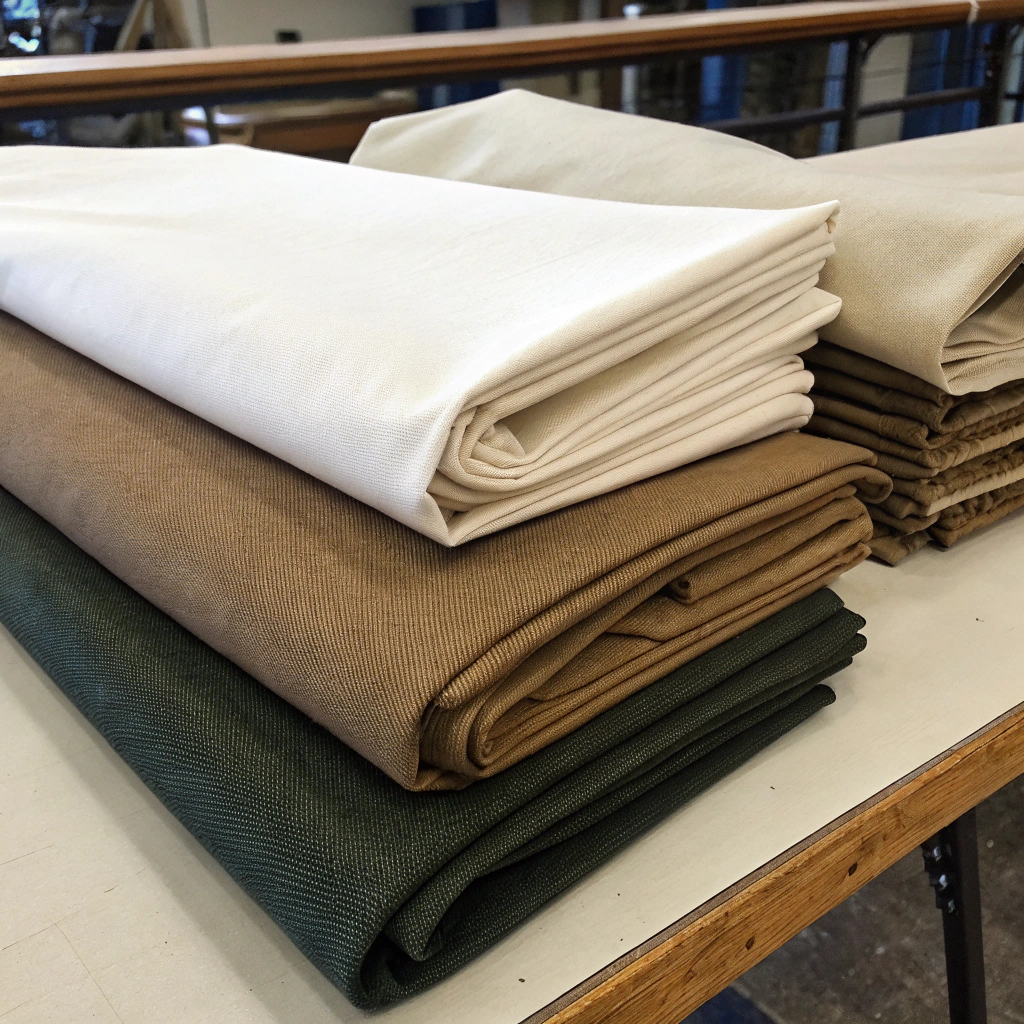
When brand managers like Jacky source merchandise, I always tell them to look for numbered duck canvas specifications. The term “duck” comes from the Dutch word doek, which refers to heavy linen canvas. Unlike standard rough canvas, cotton duck uses a much tighter weave that creates a smooth, flat surface.
This smooth surface is critical for corporate branding. If a fabric has a rough, loose weave, printed ink bleeds into gaps and fine embroidery stitches sink into the fibers. A dense, high-grade duck canvas provides a clean, stable base for crisp silkscreen prints, digital direct-to-film transfers, and sharp embroidery.
Canvas Name | Weave Construction | Surface Texture | Primary Commercial Use |
|---|---|---|---|
Numbered Duck Canvas | Tightly woven 2-ply warp and weft | Very smooth and uniform | Premium corporate bags, workwear jackets |
Plain Single-Filled Canvas | 1-ply warp and 1-ply weft | Slightly textured and soft | Budget shopping totes, laundry bags |
Calico / Muslin Fabric | Loose plain weave, unbleached | Coarse and light | Cheap gift pouches, garment dust covers |
Waxed Cotton Canvas | Heavy duck treated with paraffin wax | Water-repellent and rugged | Heritage backpacks, outdoor messenger bags |
What Are the Downsides of Canvas Bags?
Do your canvas bags get dirty quickly, absorb rain water, and shrink whenever you try to wash them? While canvas is strong and natural, it has distinct physical limitations you must manage.
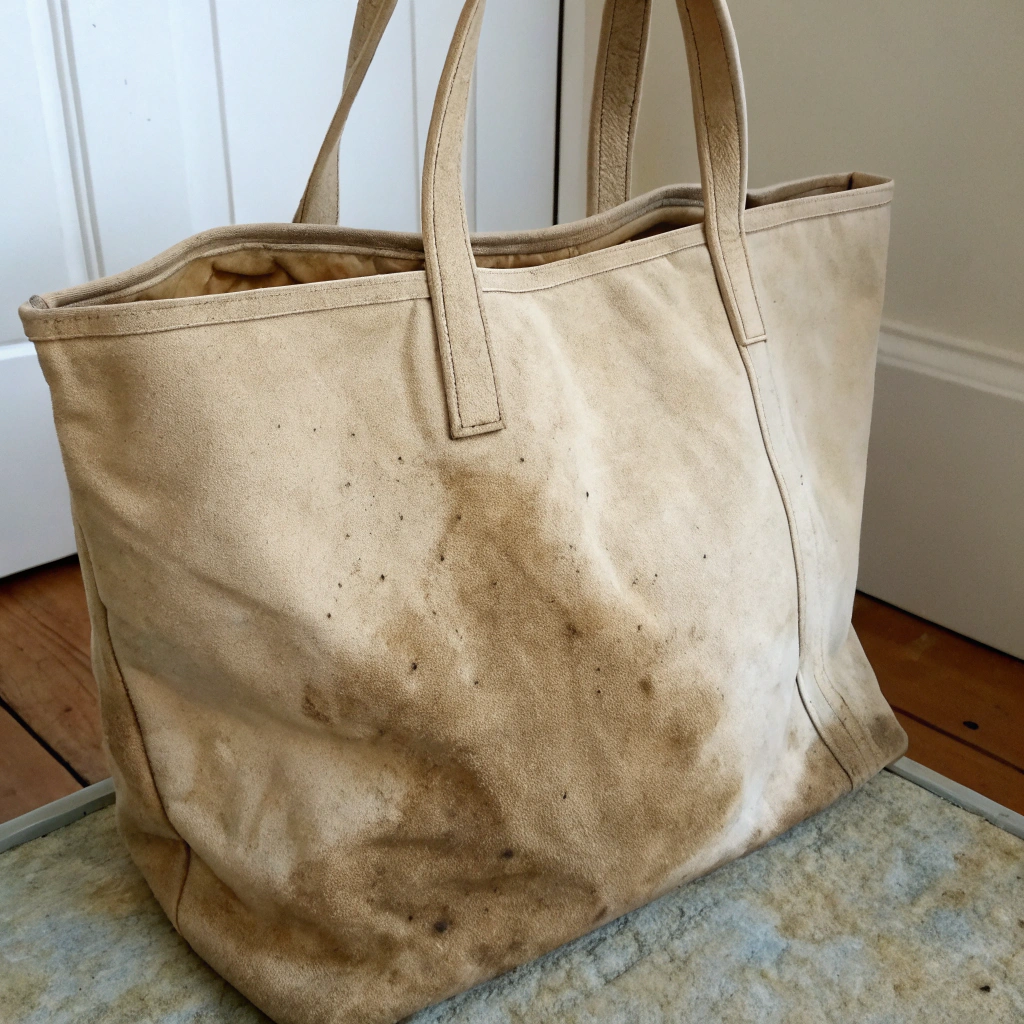
The main downsides of canvas bags are their lack of natural waterproofing, vulnerability to stains, heavy weight when wet, and high risk of shrinkage or color bleeding during regular machine washing.
Environmental Reality and Care Requirements
Many companies brand canvas bags as “eco-friendly” simply because they use natural cotton fibers. However, producing cotton takes significant water and energy. A canvas bag only becomes truly sustainable if the owner reuses it hundreds of times. If a bag rips quickly or shrinks into an unusable ball after one wash, it creates more waste than savings.
Untreated natural canvas absorbs water like a sponge and stains easily from food spills or dirty surfaces. To protect your investment, look for pre-shrunk fabrics with water-repellent coatings. Adding reinforced cross-stitching on the handles and base piping ensures the bag survives daily abuse without tearing.
Common Limitation | Underlying Cause | Practical User Impact | Effective Design Solution |
|---|---|---|---|
Fabric Shrinkage | Natural cotton fibers tightening in hot water | Bag loses its original shape and volume | Specify pre-washed or sanforized canvas |
Water Absorption | Porous, non-treated plant fibers | Contents get wet during rainstorms | Apply a water-resistant PU or wax coating |
Heavy Staining | Dirt embeds into open textile fibers | Bag looks dingy after weeks of use | Choose darker fabrics or spot-clean only |
Handle Failure | High load stress on single-thread seams | Straps rip off the top hem | Add box-and-cross reinforced stitching |
Conclusion
Choose canvas bag cloth based on how your recipients use the bag, match fabric weight to load requirements, and invest in tight duck weaves for durable branding.