Jun 26, 2026Services Overview
What Is a PU Notebook?
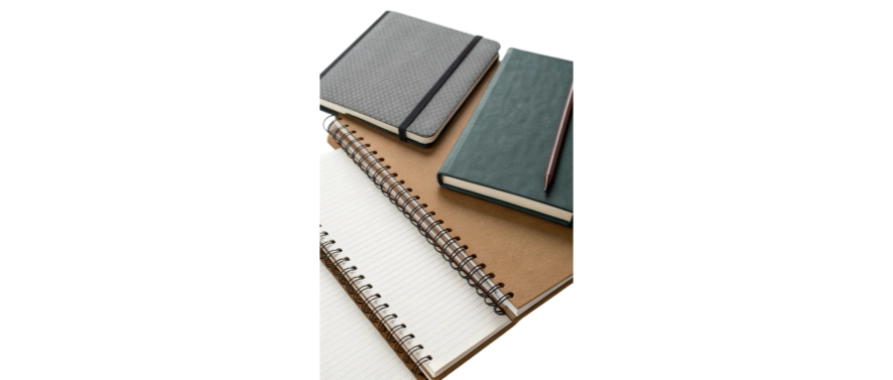
A PU notebook is a notebook with a polyurethane leather cover, valued for its stylish appearance, durability, affordability, and professional feel for daily writing and business use.
What Is a PU Notebook?
Are you tired of messy digital files disappearing into the cloud and breaking your focus? Typing notes on noisy screens often causes mental fatigue and lowers your information retention.
A PU notebook is a personal journal or business notepad covered in synthetic polyurethane leather. This protective outer material mimics the refined look, texture, and flexibility of genuine leather while offering lightweight durability and water resistance.
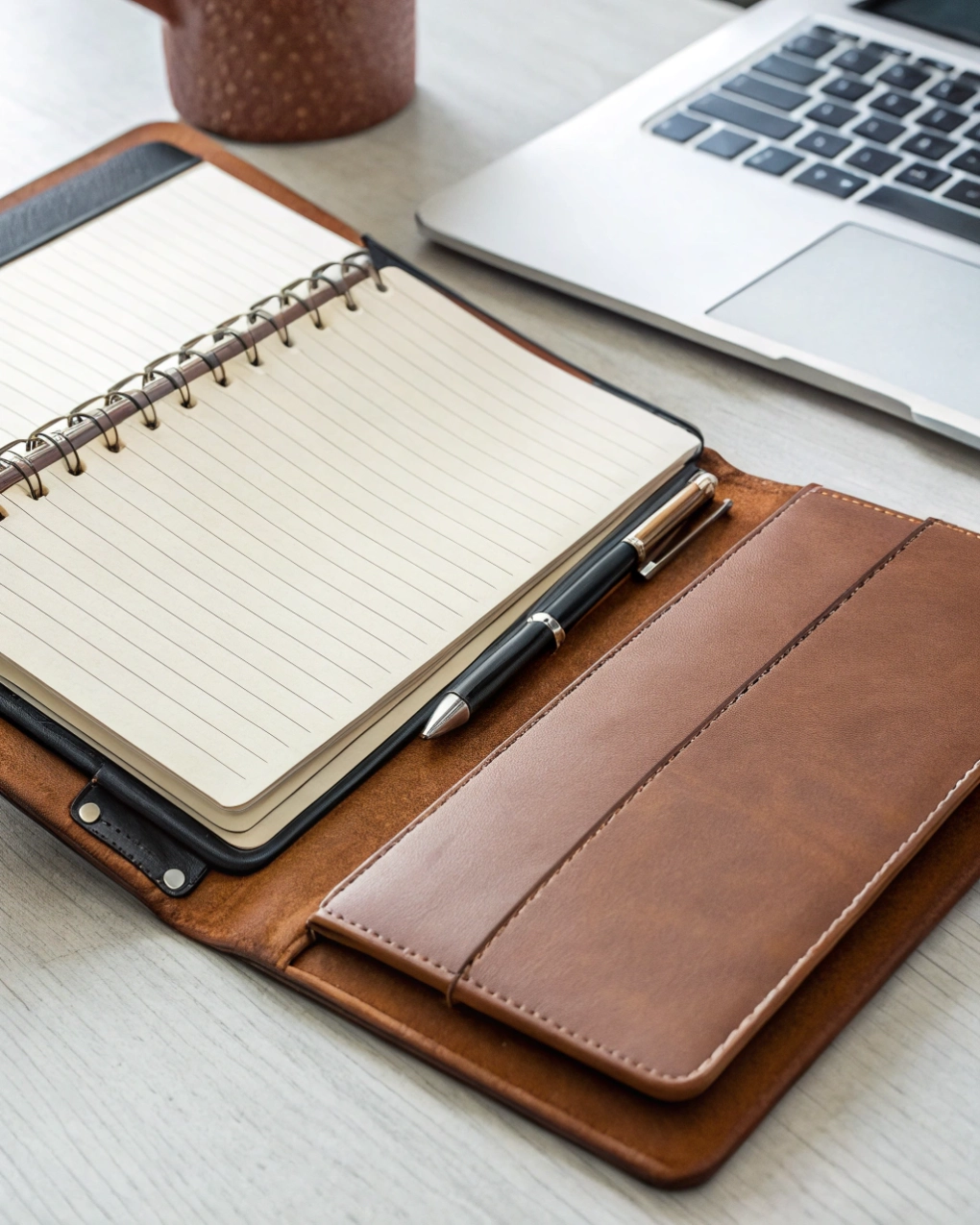
When I spent my early days working inside a traditional printing factory, I handled thousands of paper sheets, cover fabrics, and binding machines. I learned back then that physical writing creates a deep tactile connection that touchscreens cannot replicate. Handwriting slows your mental pace down, which naturally filters your thoughts and helps your memory store data better. Over my years building Latitude Experience, I have watched how a professional polyurethane notebook acts as a private, single-purpose space for deep focus. Let us examine the technical side of these powerful organizational tools.
What Are the Three Types of Notebooks?
Are you using a generic promotional notepad that falls apart at the binding after a few weeks? Picking a notebook with the wrong structural build makes writing uncomfortable and leads to lost pages.
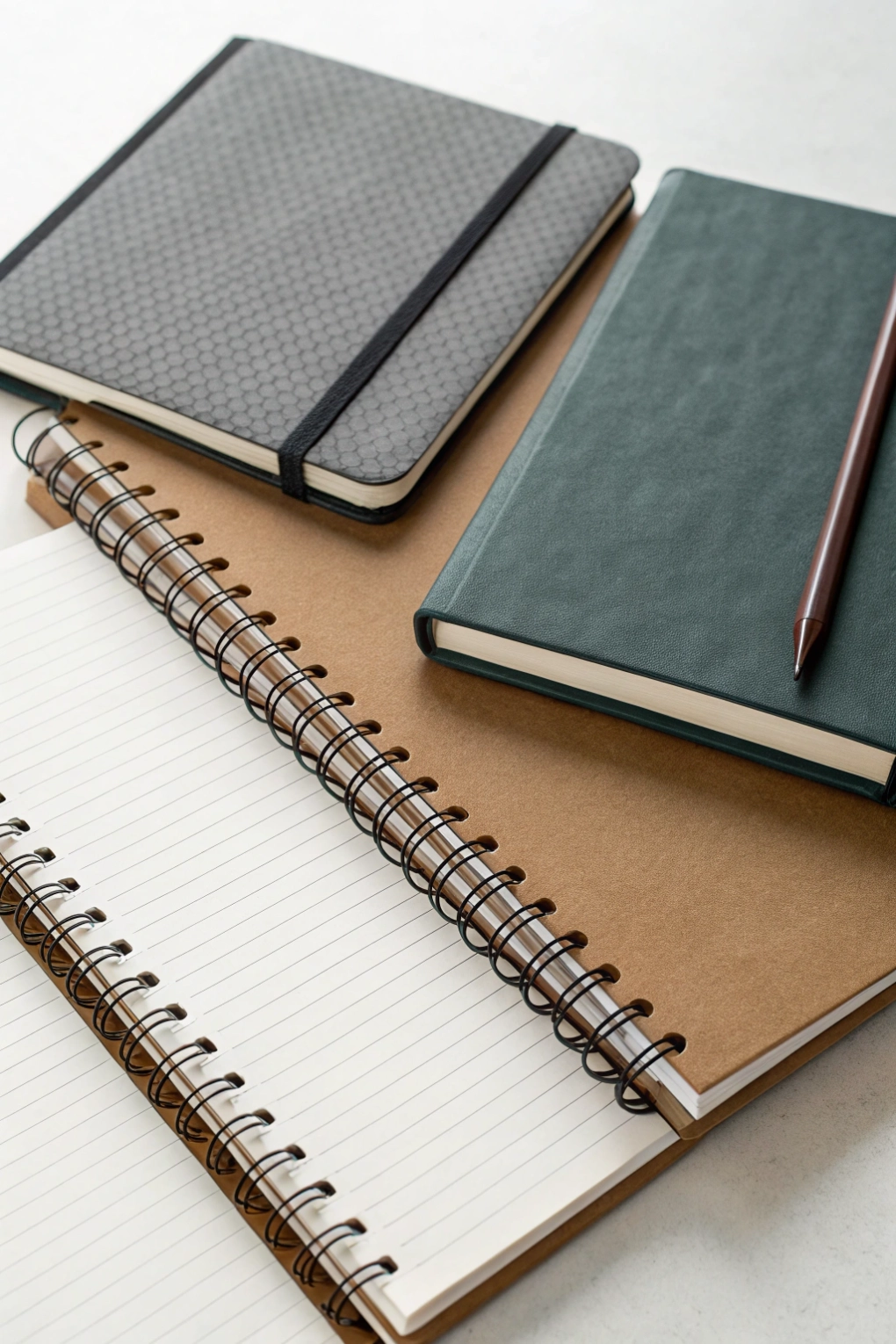
The three main types of notebooks are hardcover case-bound journals, flexible softcover notebooks, and wire-bound spiral pads. Each structural format offers a distinct layout style, spine longevity, and page flexibility to suit specific work tasks.
The Anatomy of Notebook Spine Construction
On the factory floor, we divided book blocks into these three distinct layout shapes because the spine assembly dictates how the user works. Hardcover types protect inner sheets from bending inside travel bags. Softcovers are lighter for daily commuters who value flexible storage. Spiral wire bindings allow pages to rotate 360 degrees, which is excellent for taking fast hand-held field notes without a desk surface.
Comparing the Three Primary Notebook Styles
To choose the best format for your office team or corporate gift campaigns, you must review their physical behavior. The table below compares the three notebook variants across everyday uses.
Notebook Type | Common Binding Method | Cover Stiffness | Best User Environment |
|---|---|---|---|
Hardcover Journal | Thread sewing with heavy cardboard | High stiffness; rigid protection | Formal corporate meetings and permanent archive logs |
Softcover Notebook | Perfect gluing with flexible PU layer | Medium flexibility; bends easily | Creative brainstorming, travel notes, and daily diaries |
Spiral Wire Pad | Double twin-loop metal wire coils | Varies; usually thick plastic back | Quick training workshops, task checklists, and sketches |
Is PU Like Plastic?
Are you worried that a synthetic polyurethane notebook cover will look like a cheap, shiny plastic toy? Using low-grade vinyl materials creates a poor tactile feeling that repels users.
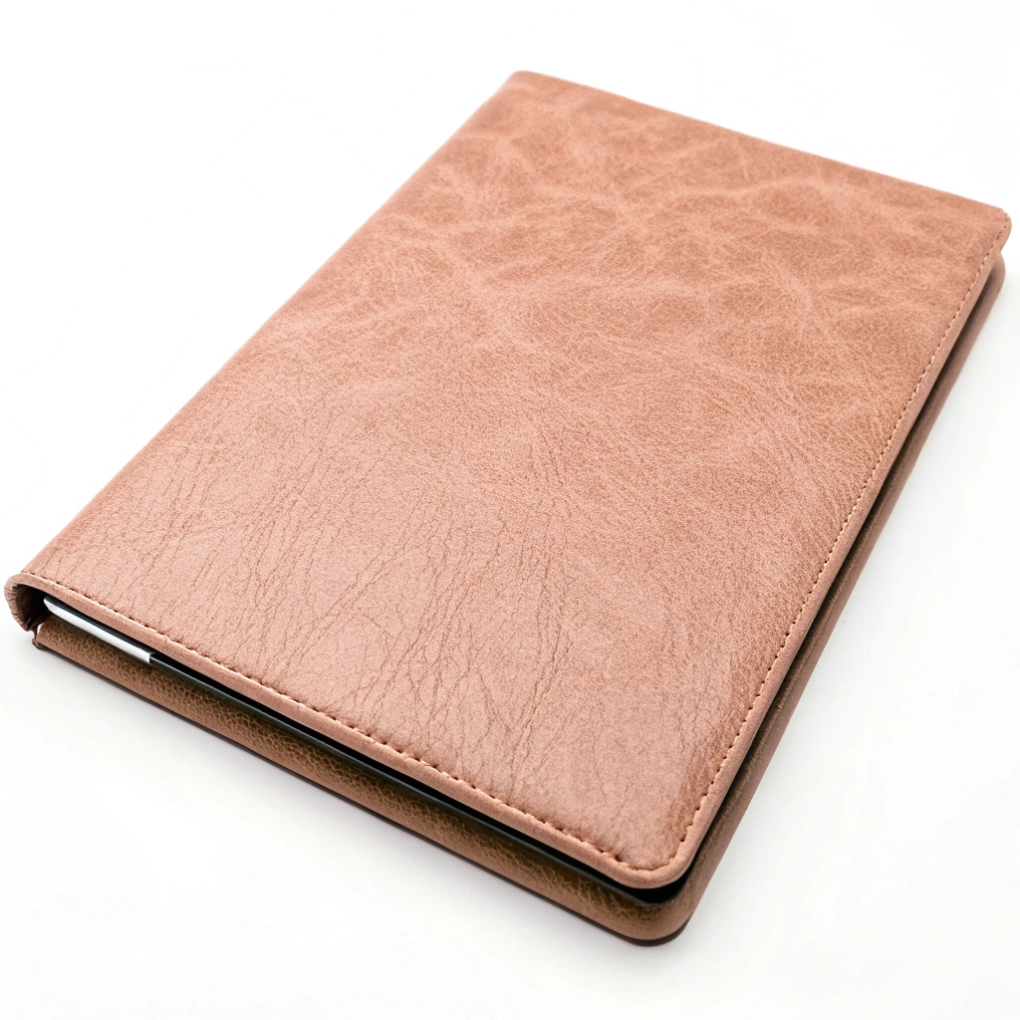
PU is chemically a plastic polymer, but it is manufactured to feel entirely different from rigid plastic sheeting. It features a soft, micro-porous texture that closely replicates the grain, breathability, and warmth of premium animal hide.
The Tactile Science Behind Polyurethane Fabrics
In manufacturing terms, polyurethane is an advanced elastomeric polymer coating applied over a woven fiber base cloth. It behaves completely differently from cheap polyvinyl chloride plastic. Vinyl feels slick, hard, and cracks when bent cold. High-quality polyurethane yields to fingertip pressure, maintains a matte surface texture, and accepts crisp logo debossing because the underlying material cells compress smoothly under heat.
Material Properties for Everyday Stationery Sourcing
When evaluating corporate marketing gifts, you should know how your materials handle daily wear. The table below breaks down the technical differences between polyurethane and standard plastics.
Physical Property | Polyurethane Material | Standard Rigid Plastic |
|---|---|---|
Surface Feeling | Soft, warm, and distinctly textured | Smooth, cold, and entirely flat |
Flexibility Life | Bends millions of times without spine tearing | Shows stress creases and snaps easily |
Heat Response | Darkens beautifully during hot logo stamping | Melts into a messy puddle under direct heat |
Eco Suitability | Can be recycled safely without toxic fumes | Releases chlorine gas when burned in waste plants |
Conclusion
A PU notebook remains highly valuable because it pairs a professional, durable cover with a quiet, offline writing space that boosts your mental focus and long-term memory.