Aug 11, 2026Services Overview
What Do I Need to Print My Logo on My Clothes?
Explore unique corporate gift ideas for clients, from practical items to personalized products. Discover how creative gifts can strengthen relationships, enhance brand recognition, and leave lasting i
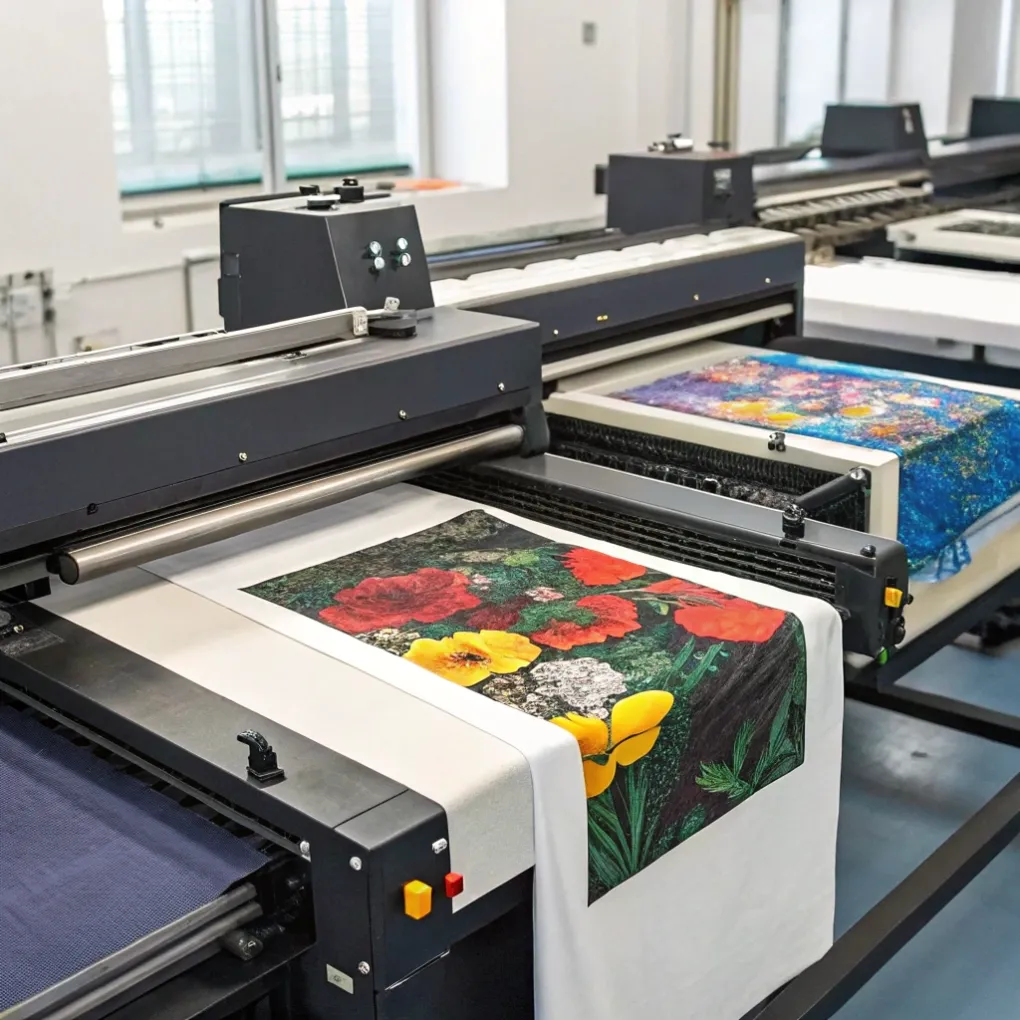
What Do I Need to Print My Logo on My Clothes?
Are you struggling to figure out what files, equipment, or services you need to print your logo on clothes without ending up with cracked or faded prints? Printing branded apparel without proper preparation can waste your marketing budget and damage your brand image.
To print your logo on clothes, you need a high-resolution vector artwork file, selected garments, a chosen decoration method (such as screen printing, DTF, DTG, heat transfer, or embroidery), and a commercial heat press or specialized printing equipment.
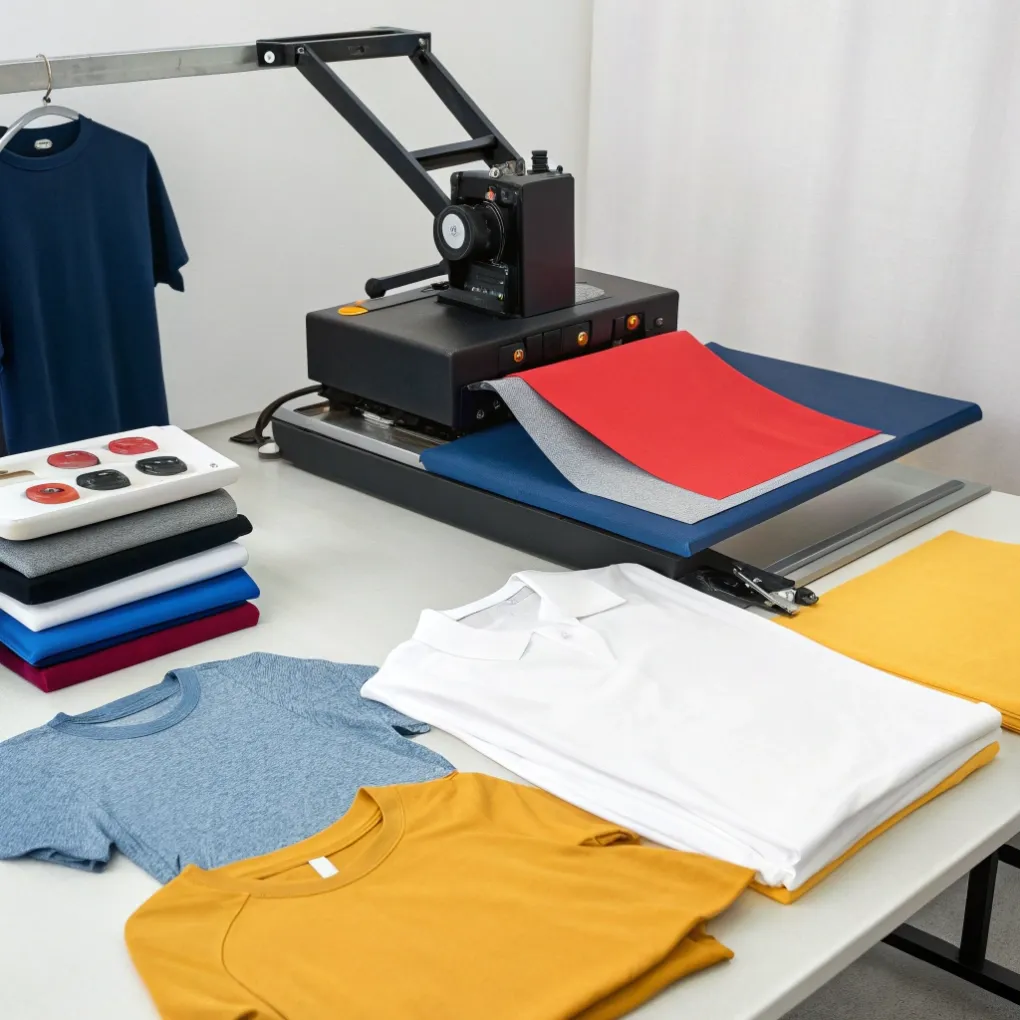
When I started my career in a humble printing factory, I saw clients submit low-resolution web logos that turned into blurry, distorted prints on fabric. Later, I founded Latitude Experience Pte Ltd to help marketing managers and business owners navigate logo printing with total clarity. Printing your logo on apparel involves more than just having a digital picture. Let us examine what you need to achieve crisp, durable, professional results.
What Is the Best Printer for Clothing?
Are you overwhelmed by all the different clothing printers on the market when trying to print your logo in-house? Buying the wrong clothing printer leads to high maintenance costs and disappointing print quality.
The best printer for clothing depends on your production scale and artwork complexity. For high-volume bulk production, traditional screen printing equipment is best. For full-color detailed logos on cotton, Direct-to-Garment (DTG) printers like the Epson SureColor F2100/F3000 series are top-rated, while Direct-to-Film (DTF) printers like Brother or Roland offer the best versatility across various fabric types.
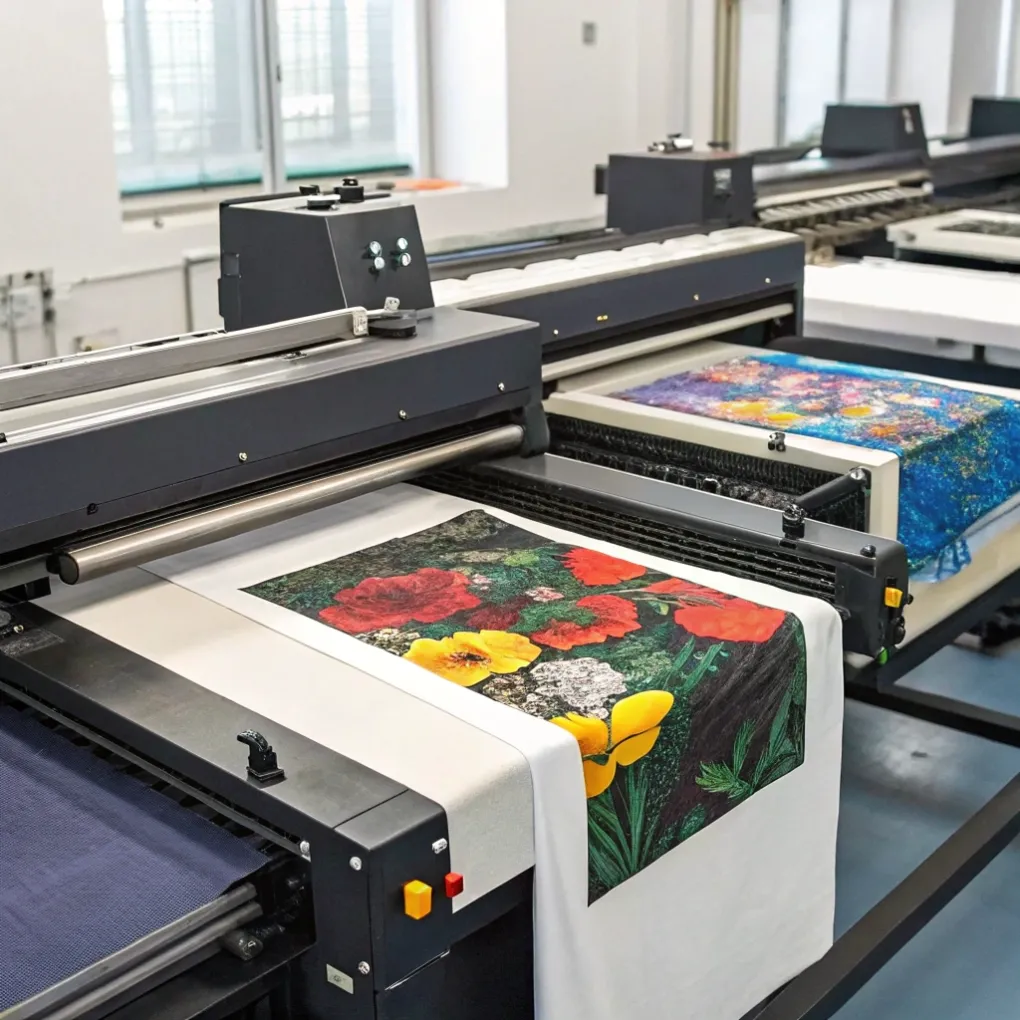
Matching Clothing Printers to Production Goals
During my decades in product manufacturing and factory printing, I evaluated dozens of printer configurations. DTG printers work like desktop inkjet printers for fabric, injecting water-based inks directly into cotton fibers for a soft, breathable feel.
DTF printers, on the other hand, print your logo onto a special film, which is then heat-pressed onto polyester, cotton, or blended garments. DTF offers high color vibrancy and durability across dark and light fabrics alike.
Clothing Printer Type | Best Fabric Match | Color Capability | Production Scale |
|---|---|---|---|
Direct-to-Garment (DTG) | 100% Cotton & high-cotton blends | Unlimited colors & gradients | Small to Medium orders |
Direct-to-Film (DTF) | Cotton, Polyester, Blends, Nylon | Full color with white underbase | Flexible (Small to Large) |
Commercial Screen Press | Cotton, Polyester, Canvas | 1 to 6 solid spot colors | Large Bulk orders (50+ units) |
Selecting the right printer type ensures your printed logos match your exact fabric needs and production budget.
What Do I Need to Print Things on Clothes?
Are you trying to gather all the necessary supplies for custom apparel decoration but worried about missing key tools? Missing essential prep materials leads to ruined garments and incomplete print transfers.
To print things on clothes, you need high-resolution vector artwork (AI, EPS, or SVG format), blank garments, transfer media or inks, a garment pretreat system (for DTG), and a heavy-duty commercial heat press machine to permanently cure the print at high temperatures.
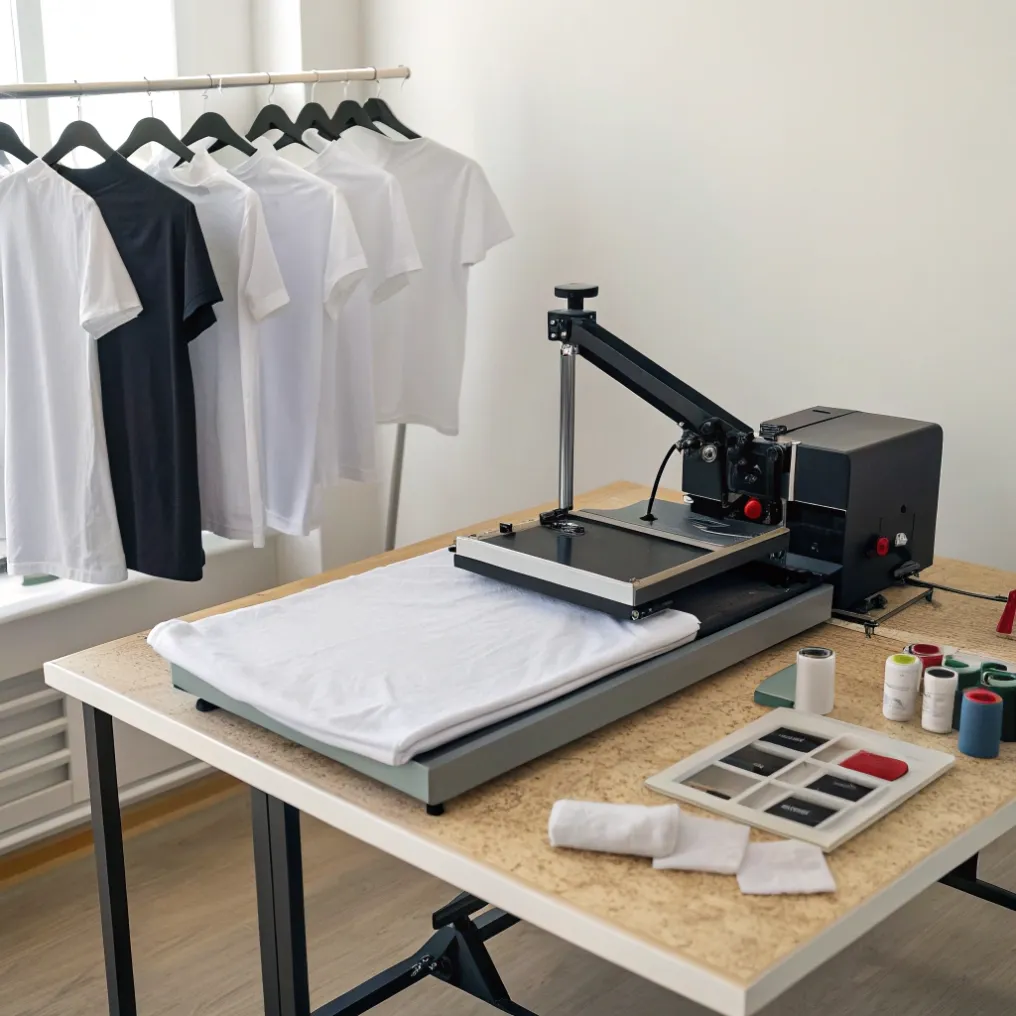
Essential Requirements Checklist for Logo Printing
At Latitude Experience Pte Ltd, clients like Jacky ask me how to prepare for a successful apparel order. In my factory inspection experience, artwork preparation is where most projects fail. A low-resolution JPEG file will look pixelated when expanded to fit a t-shirt chest.
Vector files allow infinite scaling without losing crisp edge lines. Additionally, using a commercial heat press rather than a standard household iron guarantees even pressure and temperature control (usually 150°C to 160°C), which prevents the logo from peeling off in the laundry.
Essential Requirement | Recommended Format / Spec | Functional Purpose |
|---|---|---|
Vector Artwork File | AI, EPS, SVG, or 300 DPI PNG | Guarantees sharp lines and accurate color separation |
Suitable Blank Garment | Ring-spun cotton or performance poly | Serves as the smooth foundation for ink adhesion |
Transfer Film / Screen | High-density DTF film or mesh screen | Transfers logo design accurately onto fabric |
Commercial Heat Press | Digital temp & pressure controls | Cures ink permanently into garment fibers |
Preparing these essential elements before production guarantees clean, vibrant, and durable logo placement.
What Printer Do I Need to Print on Clothes?
Are you searching for a specific printer model to print logos on clothes at home or in an office space? Buying a standard desktop paper printer will leave you disappointed, as standard paper inks wash out immediately.
You need a specialized textile printer to print on clothes, such as a Direct-to-Garment (DTG) printer, a Direct-to-Film (DTF) printer, or a wide-format sublimation printer (for 100% polyester). Alternatively, you can use a vector vinyl cutter paired with a heat press for simple single-color logos.
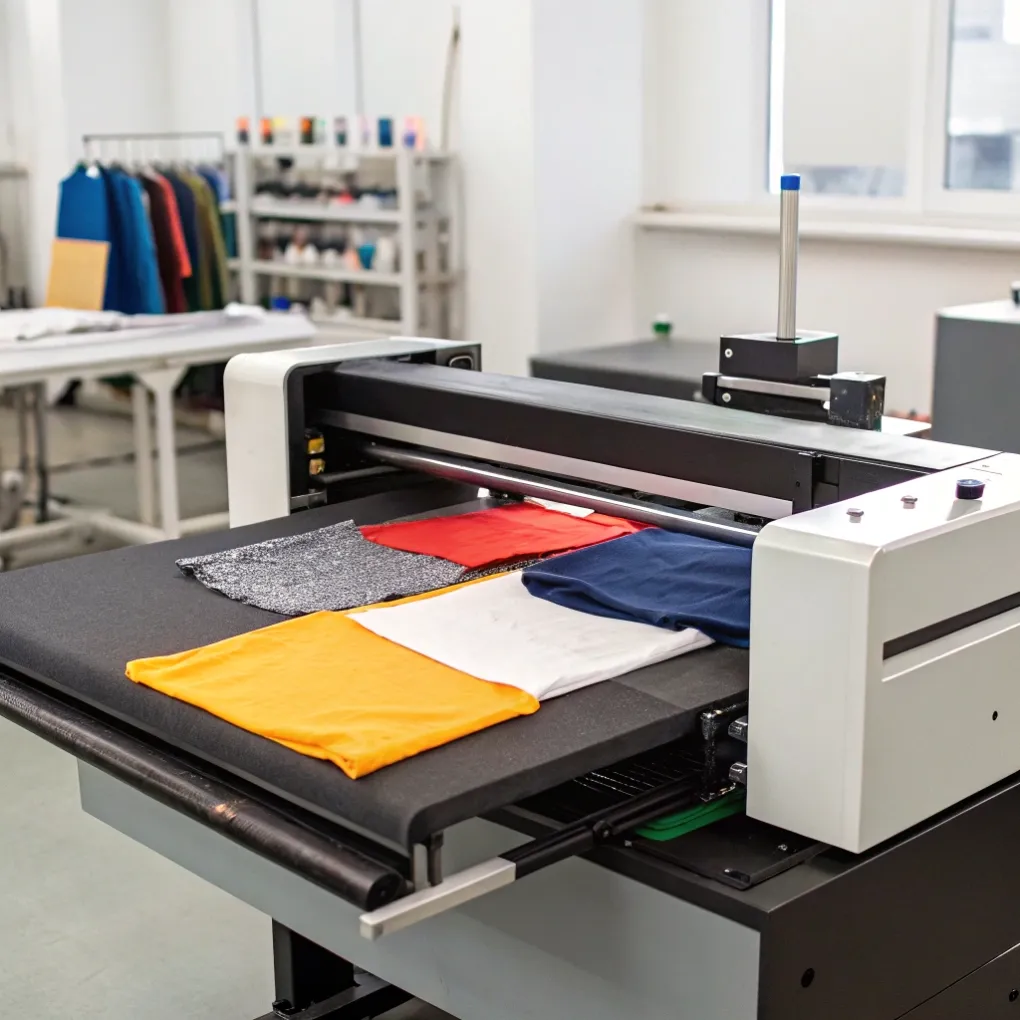
Choosing the Right Machinery for Your Setup
In my early factory days, I saw many individuals attempt to print heat transfers using desktop paper printers with standard dye inks. Standard paper ink lacks the binder resins required to adhere to textile fibers.
Textile printers use specialized pigment inks, water-based inks, or sublimation dyes that bond chemically with fabric threads under heat. If you need simple chest logos on corporate uniforms, embroidery machines or vinyl cutters provide an affordable alternative to expensive DTG/DTF printing rigs.
Printer Mechanism | Setup Complexity | Ideal Logo Style | Equipment Cost Range |
|---|---|---|---|
DTF Printer Setup | Moderate | Full-color detailed logos on any fabric | |
DTG Printer Setup | High (Requires pretreatment) | Complex colorful graphics on cotton | |
Vinyl Cutter + Heat Press | Low | Simple 1-color or 2-color text/logos | |
Choosing the right machinery configuration ensures that your custom logo printing process remains efficient, cost-effective, and capable of producing professional results.
Conclusion
To print your logo on clothes, you need high-resolution vector artwork, selected garments, and the right decoration method—such as DTF, DTG, or screen printing—paired with a commercial heat press for permanent, wash-resistant durability.