Jun 26, 2026News & Insights
Is It Safe to Wash a Bleach Bottle to Drink Off?
Never drink from a reused bleach bottle, as harmful chemical residues may remain. Always use food-grade containers for safe hydration.
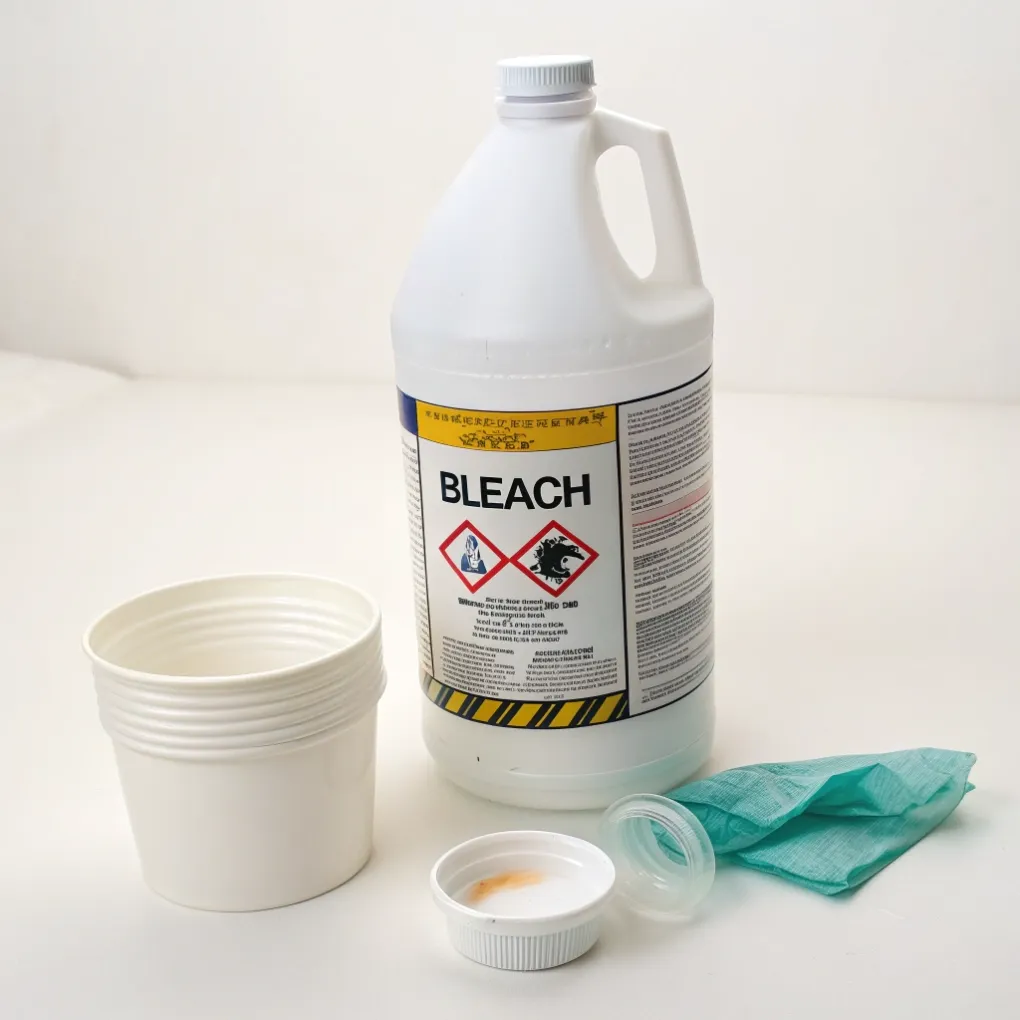
Is It Safe to Wash a Bleach Bottle to Drink Off?
Are you thinking about recycling an empty household chemical container to save money or reduce plastic waste around your home? Repurposing plastic containers without checking their original manufacturing purpose can expose your body to hidden health risks.
It is never safe to wash a bleach bottle and reuse it for drinking water. Household bleach bottles are made from industrial plastics designed for chemical storage, meaning the porous material can permanently absorb chemical residues that leach into your beverages over time.
I started my career working on a busy printing factory floor, managing production lines and testing how industrial plastics react to heat and chemical compounds. That hands-on experience taught me that there is a massive difference between a container that looks clean and one that is certified food-safe. Later, I established Latitude Experience Pte Ltd to help businesses select premium, certified food-grade lifestyle gifts. I know that stretching environmental recycling habits into chemical containers can lead to severe personal injury. Let us look at why chemical bottles must be kept completely separate from your daily hydration routine.
Can You Eat Off Something Cleaned with Bleach?
Do you feel terrified that using diluted bleach to sanitize your kitchen cutting boards or dining tables will poison your family? Many people worry that using strong chemical sanitizers on food-contact surfaces leaves dangerous, invisible poisons behind.
It is completely safe to eat off hard, non-porous surfaces cleaned with bleach if you use a properly diluted solution and allow the item to air-dry completely. When bleach dries fully, its primary chemical component breaks down naturally into basic table salt and water.
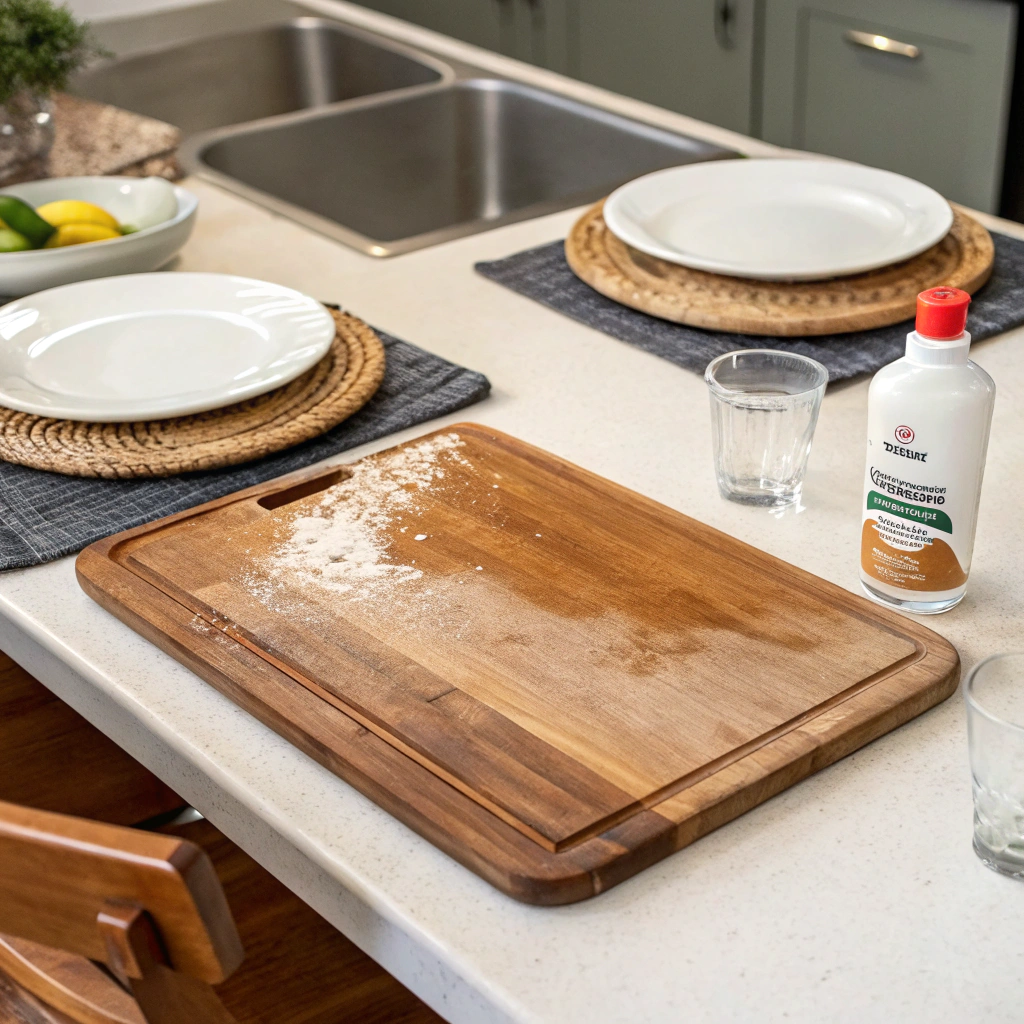
From my perspective, household bleach is an exceptional tool for killing dangerous bacteria and mold in your kitchen, but you must follow exact mixing ratios. Commercial kitchens use a highly diluted mixture of roughly one tablespoon of unscented liquid bleach per gallon of clean water to sanitize plates and countertops safely. Because bleach is highly unstable, it breaks down rapidly when exposed to fresh air and light. Once the surface dries completely, the active sodium hypochlorite disappears, leaving zero toxic chemical residues behind on your dinner plates. Let us check the proper safety rules for sanitizing kitchen gear with bleach solutions.
Essential Rules for Bleach Sanitizing
- Use Cold Water: Always mix bleach with cold or lukewarm water, as hot water breaks down the active sanitizing agent too quickly.
- Skip the Scents: Only use plain, unscented household bleach for food surfaces to avoid leaving toxic artificial perfumes on your dishes.
- Allow to Air-Dry: Never wipe down a wet, bleached surface with a dirty towel. Let the fresh air evaporate the moisture to finish the sanitizing process.
To help you manage your home kitchen safety, let us compare how hard surfaces react to bleach compared to porous items.
Item Category | Safe to Bleach? | Proper Cleaning Action | Long-Term Health Impact |
|---|---|---|---|
Ceramic Plates & Glass | Yes (100% Safe) | Dip in diluted solution, then air-dry | Destroys all dangerous bacteria instantly |
Plastic Cutting Boards | Yes (Hard Plastic) | Scrub with diluted solution, rinse well | Removes deep food stains and odors |
Wooden Spoons & Bowls | No (Highly Porous) | Wash with mild dish soap and hot water | Wood absorbs the chemical deep inside |
How to Remove Bleach From a Bottle?
Are you wondering if there is a special chemical rinse or a boiling method that can scrub a plastic bleach jug clean enough for food storage? Trying to wash out an old chemical container to store emergency water can feel like a practical survival tip.
You cannot safely remove absorbed bleach from a standard household bleach bottle for food or drink storage. While you can rinse away the loose surface liquid, the porous high-density polyethylene plastic permanently traps chemical molecules inside its walls, making total removal impossible.
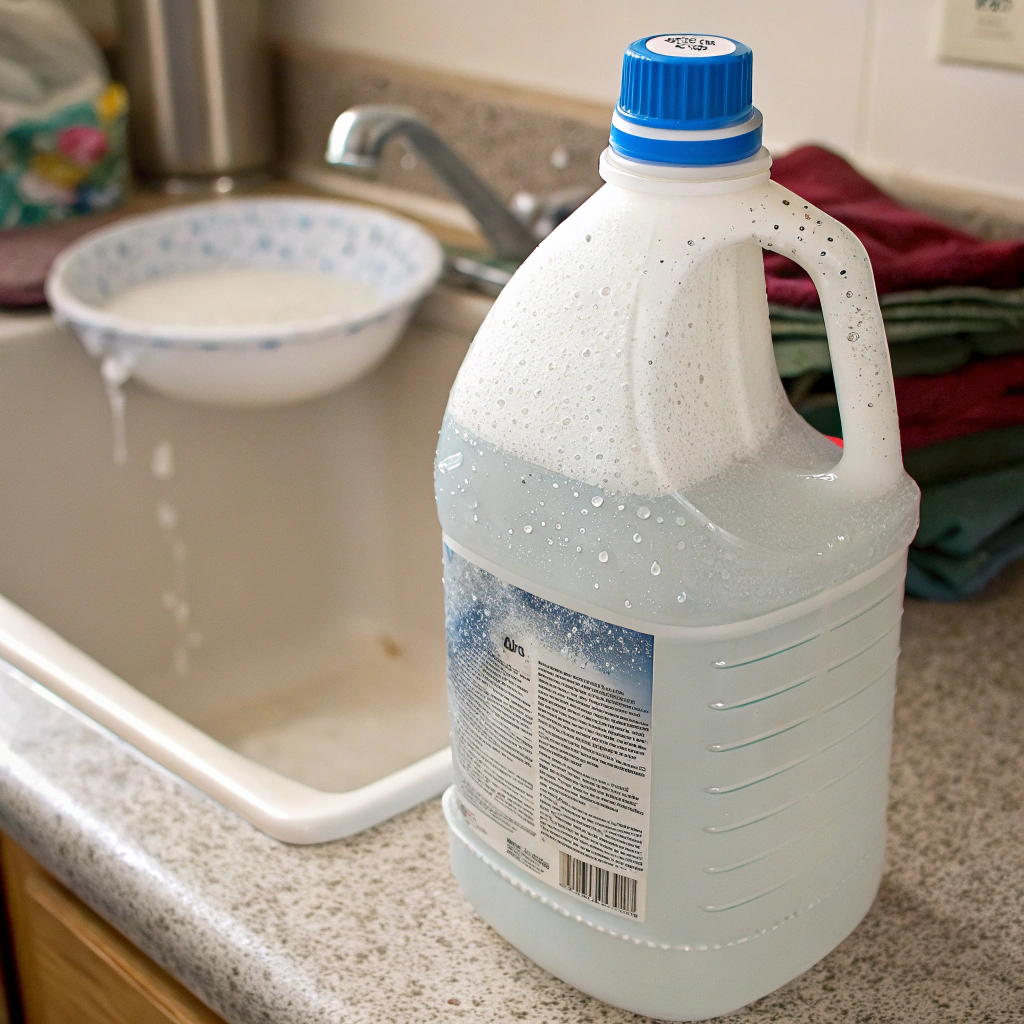
In my years of studying product manufacturing, I learned that plastics act like a tight sponge under a microscope. High-density polyethylene, or HDPE plastic, is excellent for holding harsh chemicals because it is tough and will not crack easily. However, over months of sitting on a store shelf, the chemical molecules sink deep into the plastic chain structure. No amount of dish soap, boiling water, or baking soda scrubs can reach those trapped molecules. The moment you fill that bottle with fresh water, those stored chemicals will slowly leach back out into your drink.
Why Industrial Plastic Reuse Fails
- Porous Walls: Chemical molecules lodge deep within the plastic lining, creating a permanent risk of toxic contamination.
- Zero Food-Grade Testing: These chemical jugs are never tested by health agencies for human food or beverage consumption safety.
- Accidental Confusion Risks: Storing drinking water in a chemical bottle can cause family members to mistake it for actual cleaning fluid.
What Are the First Signs of Bleach Poisoning?
Do you know what immediate warning symptoms to look for if someone accidentally swallows water contaminated with household cleaning chemicals? Knowing these signs quickly can save a life during an emergency home accident.
The first signs of bleach poisoning include immediate burning in the mouth and throat, severe stomach pain, continuous coughing, vomiting, and nausea. If someone displays these symptoms after drinking from an uncertain container, you must contact emergency services immediately.
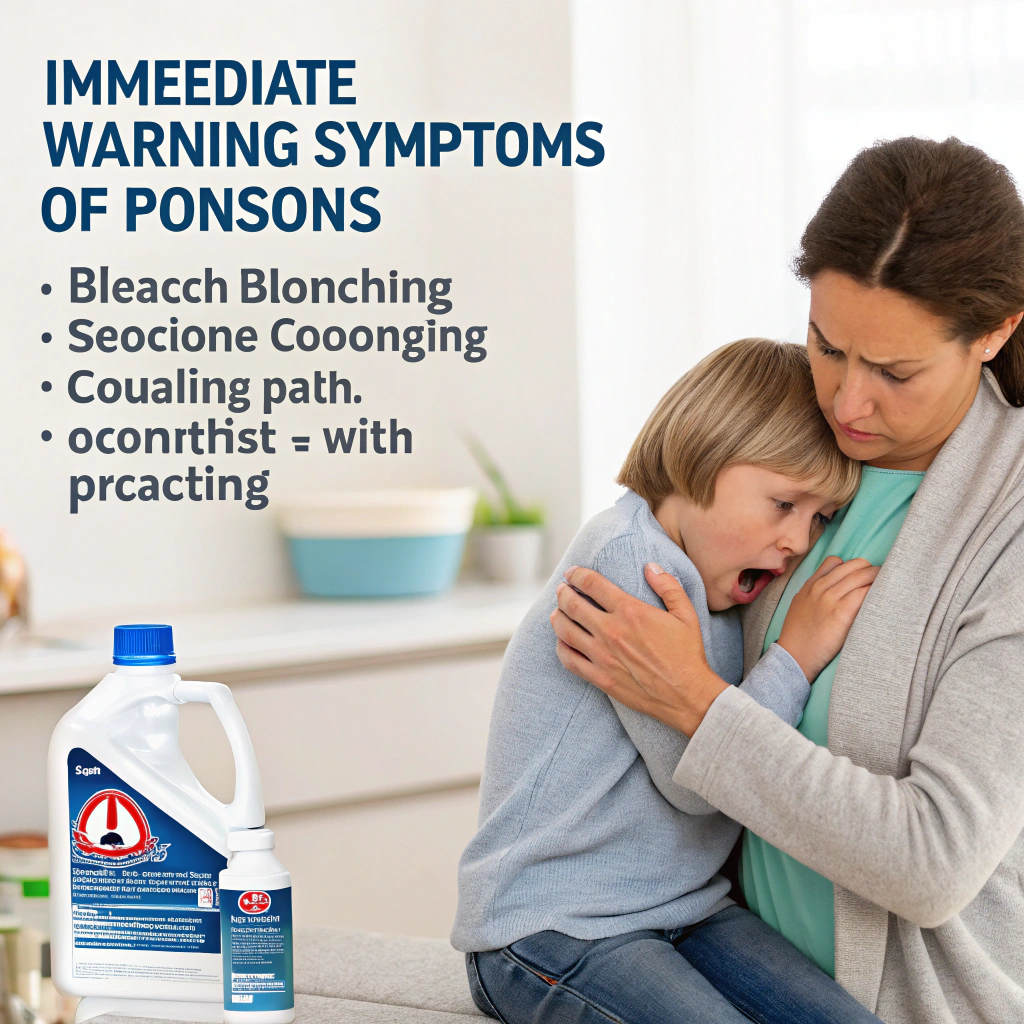
When handling industrial materials in factory environments, safety training is always the number one priority. Bleach is an alkaline corrosive chemical, meaning it causes immediate irritation to the delicate tissues inside your digestive tract. Swallowing even small traces of residual chemical fluid triggers an instant physical reaction as your body tries to reject the toxin. You must never induce vomiting during a bleach accident, as the burning chemical can cause double the damage to the throat on its way back up. Let us look at the primary bodily symptoms associated with chemical bleach ingestion.
Primary Poisoning Symptoms
- Gastrointestinal Distress: Extreme burning pain in the stomach area accompanied by sudden, heavy vomiting and nausea.
- Respiratory Irritation: Severe coughing fits, a swelling throat, and sudden difficulty breathing due to chemical fume inhalation.
- Skin and Eye Redness: Sharp stinging and chemical burns if the concentrated fluid splashes onto the face or hands.
Let us break down the immediate first-aid action steps you must take if a chemical ingestion accident happens in your home.
Emergency Phase | Immediate First-Aid Step | Dangerous Action to Avoid |
|---|---|---|
1. Initial Contact | Call your local emergency medical number or poison control center right away | Do not wait for severe symptoms to appear before calling |
2. Mouth Care | Rinse the mouth immediately with clean, cool water to remove loose surface chemicals | Never force the victim to vomit, as this tears the throat |
3. Dilution Step | Give the person small sips of water or fresh milk if they can swallow safely | Do not give large amounts of fluids that cause sudden vomiting |
Conclusion
Washing a bleach bottle to drink from is completely unsafe because industrial plastic chains trap chemical residues permanently, making it essential to use certified food-grade containers to protect your health.