Jun 26, 2026News & Insights
How Can We Reduce Plastic Water Bottles?
Using reusable bottles and proper recycling helps reduce plastic waste and supports a more sustainable lifestyle.
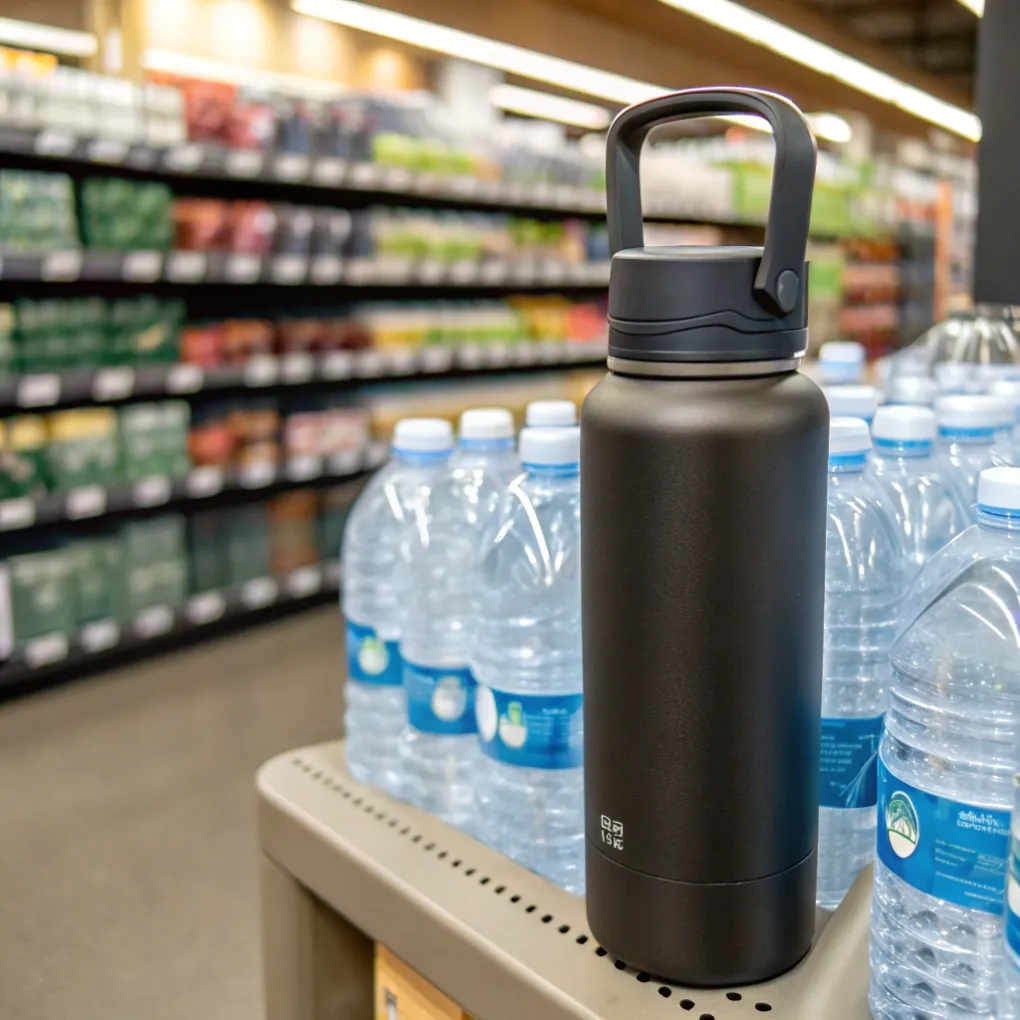
How Can We Reduce Plastic Water Bottles?
Are you tired of watching your household or office trash bins overflow with empty single-use plastic bottles every single week? Relying on disposable water packaging creates massive environmental waste and quietly drains your hard-earned financial resources.
You can reduce plastic water bottles by investing in a premium, reusable 304 stainless steel or glass flask for your daily commute. Pairing a durable personal bottle with a high-quality home filtration system completely removes the need to buy packaged grocery store water.
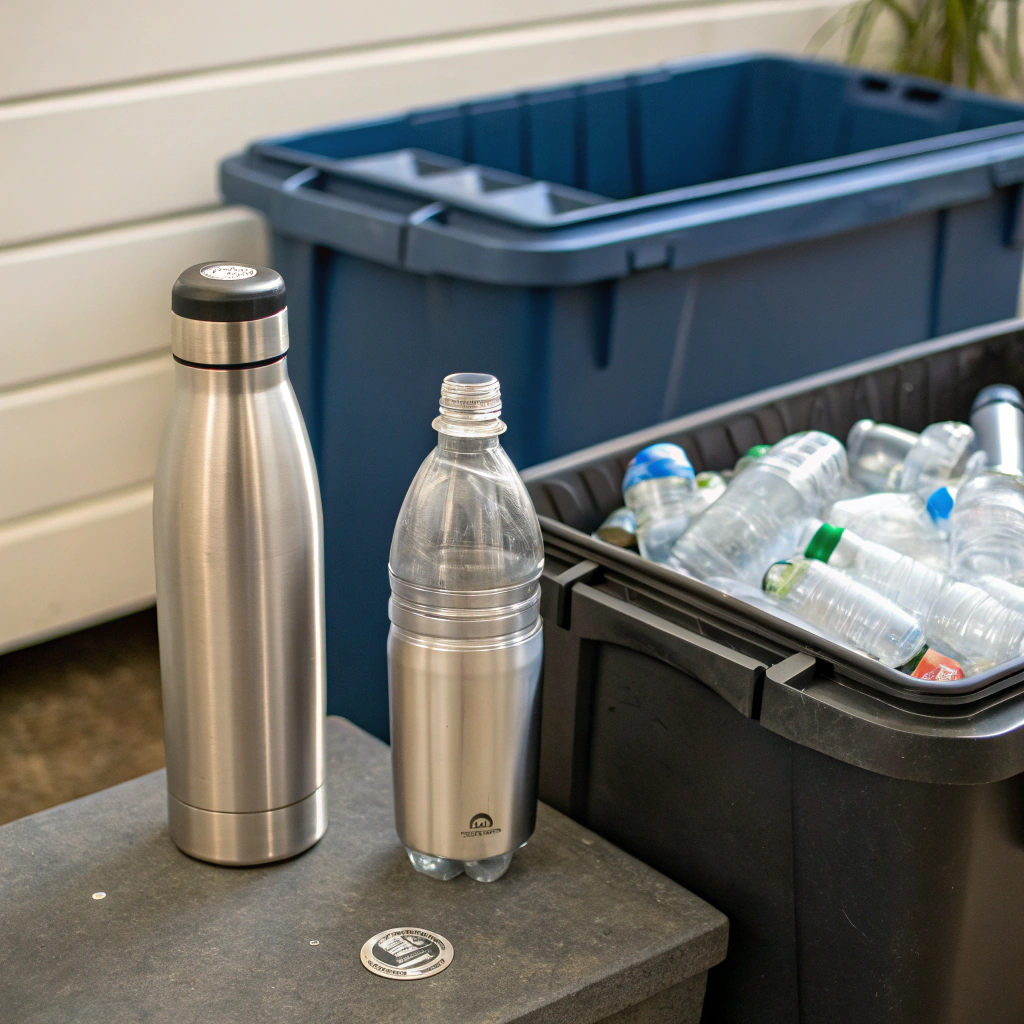
I started my career working on a dusty printing factory floor, managing busy production lines and checking material durability specifications directly. That hands-on manufacturing experience taught me exactly how much energy and raw petroleum resource goes into creating cheap, disposable packaging. Later, I established Latitude Experience Pte Ltd to help forward-thinking businesses use high-utility, reusable promotional gifts to elevate their brand presence responsibly. I know that people do not buy single-use plastic bottles because they love creating trash; they buy them simply because they are cheap and convenient. Let us look at how we can make sustainable alternatives easier and more practical for your daily routine.
How Can We Reduce a Plastic Bottle?
Do you find yourself constantly buying packaged water during your daily travel because you simply forget to bring a container from home? Breaking an old habit feels incredibly difficult when convenient plastic choices sit on every single store shelf.
You can reduce your reliance on a plastic bottle by turning a premium reusable flask into an essential daily item, much like your smartphone or keys. Choose a container with an ergonomic carrying handle or a secure backpack loop so it naturally fits into your daily movement.
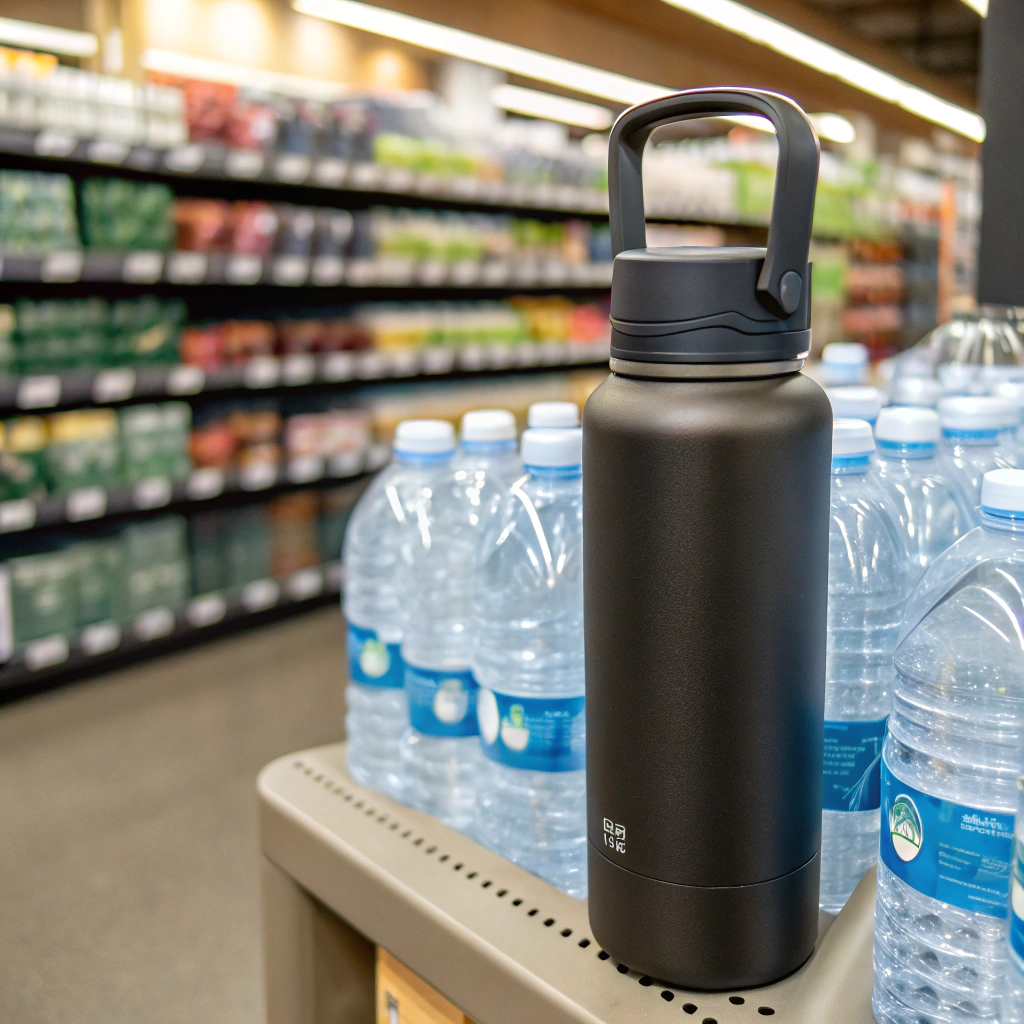
From my perspective, successful plastic reduction is entirely a habit-building challenge, not just an environmental discussion. People often buy an expensive reusable bottle and then leave it sitting forgotten inside their kitchen cabinet. To fix this, you must choose a flask that matches your exact daily routine. If you work at a stationary desk, a large insulated bottle that holds temperature for hours is perfect. If you travel constantly, a lightweight, glass-clear Tritan bottle fits better inside standard vehicle cup holders. Let us look at how upgrading local infrastructure helps turn these individual choices into an automatic daily habit.
Essential Reduction Driving Factors
- Expanded Refill Networks: Installing clean, accessible water dispensing stations in offices, airports, and public parks removes the need to buy disposable bottles.
- Smart Corporate Policies: Businesses providing high-quality branded drinkware to staff help normalize zero-waste lifestyles across the entire corporate office.
- Product Longevity Focus: Choosing one premium bottle made from thick 304 steel can replace over one thousand single-use containers over its structural lifetime.
Let us compare the long-term lifestyle impacts of carrying a reusable flask against buying standard grocery store bottled water.
Hydration Sourcing Method | Total Lifetime Use | Five-Year Estimated Cost | Environmental Waste Footprint |
|---|---|---|---|
Premium Reusable Flask | 3 to 5 Years (Durable) | Low (One-time purchase) | Zero plastic bottle waste created |
Single-Use Grocery Packs | 1 Use (Disposable) | High (Continuous buying) | Over 1,500 empty plastic jugs thrown out |
How Can We Reduce the Use of Plastic Products?
Are you feeling completely overwhelmed by the sheer volume of plastic packaging wrapped around your daily food, groceries, and household goods? Making sustainable consumer choices feels incredibly frustrating when every store product seems wrapped in layers of clear film.
You can reduce the use of plastic products by switching to reusable shopping bags, buying dry bulk foods in personal glass jars, and choosing paper-packaged items. Selecting brands that prioritize minimal, circular packaging design immediately cuts down your household waste generation.
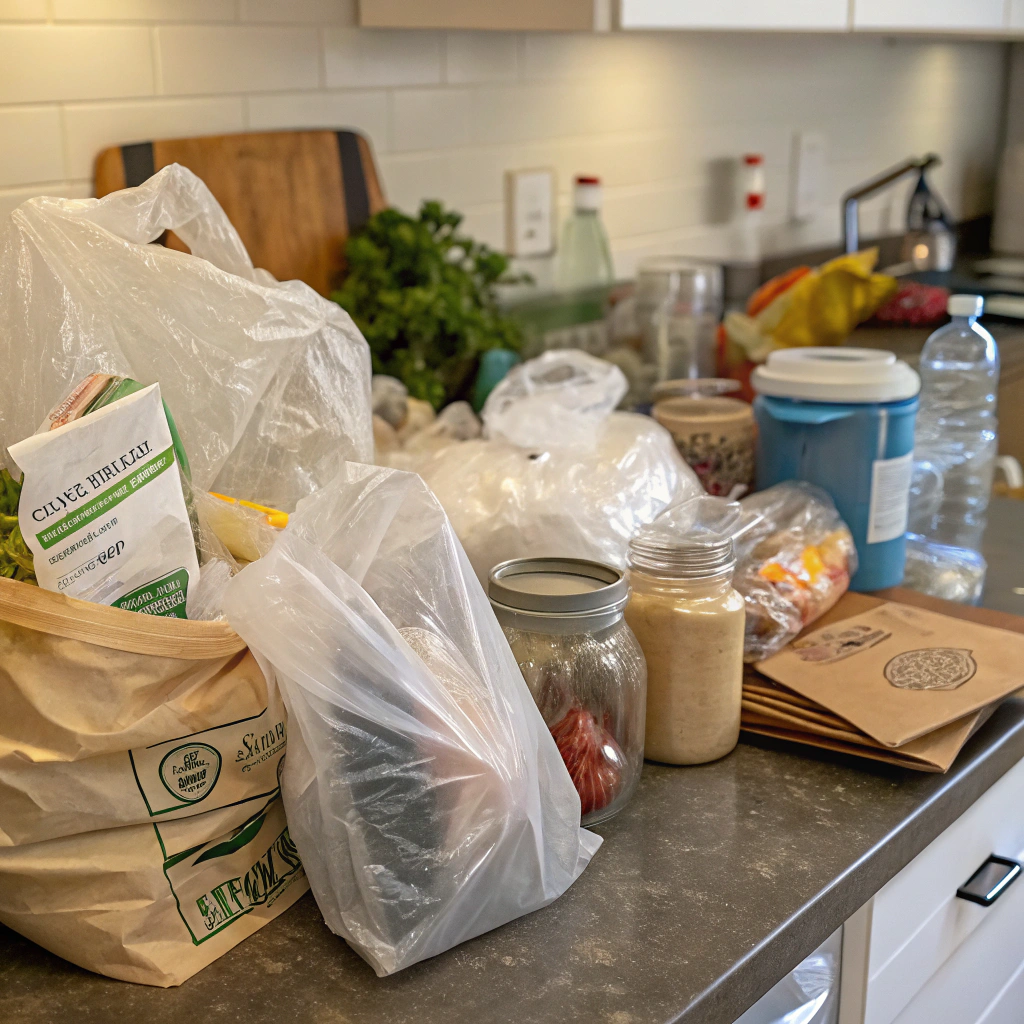
When managing product packaging layouts at Latitude, I always push our corporate clients to choose natural, biodegradable materials like unbleached kraft paper or certified organic cotton. Modern consumers look at heavy plastic blister packs and shrink-wrap as a sign of lazy, low-end manufacturing. By choosing classic materials like bamboo, metal, and glass for your everyday household tools, you build a cleaner home space that lasts for years. This shift from short-term disposable buying to long-term quality ownership is the most powerful action you can take. Let us review the top household swaps you can make to clear out unnecessary plastics.
Top Household Material Swaps
- Canvas Tote Bags: Keep two durable 12oz cotton canvas bags inside your car trunk to completely skip single-use grocery store plastic sacks.
- Solid Shampoo Bars: Switch to concentrated soap and shampoo bars wrapped in basic cardboard instead of buying liquid soaps packed in thick plastic jugs.
- Beeswax Food Wraps: Replace standard clear plastic cling wrap with washable, reusable beeswax cotton sheets to store kitchen leftovers safely.
What Are 5 Ways to Recycle Plastic Bottles?
Do you have a massive pile of empty plastic jugs sitting under your kitchen sink and want to know how to process them responsibly? Simply throwing them into a random trash bin means they will likely sit inside a local landfill for hundreds of years.
The 5 best ways to recycle plastic bottles are using official municipal blue recycling bins, participating in supermarket reverse vending machines, upcycling them into self-watering garden pots, repurposing them for household organizer storage, and donating clean containers to local school art projects.
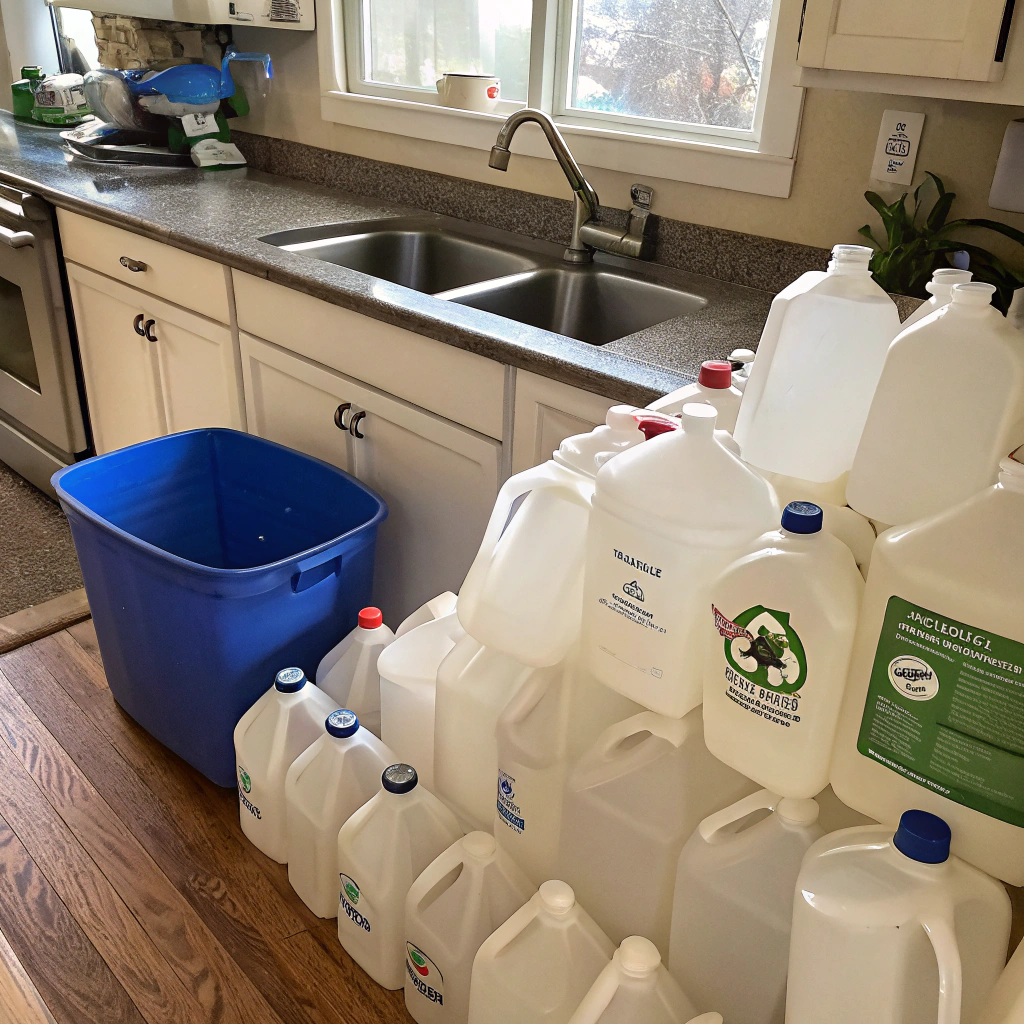
In the manufacturing world, we view recycling as the final fallback step because processing old plastic requires high heat and carbon energy. It is always better to reduce consumption first, but when you must use a plastic bottle, proper separation matters immensely. You must wash out any sugary beverage residue and compress the bottle flat before recycling it. Dirty, unrinsed plastic containers rot inside collection trucks, which frequently forces sorting facilities to reject entire batches of recyclable material. Let us break down these five practical recycling methods to help you manage your household sorting successfully.
Five Practical Recycling Methods
- Official Municipal Blue Bins: Clean and flatten your number one and number two plastic bottles so automated sorting lasers can process them easily.
- Supermarket Reverse Vending Vouchers: Drop empty beverage bottles into automated store machines to earn retail discounts while guaranteeing a clean recycling stream.
- Self-Watering Garden Pots: Cut a plastic bottle in half, flip the top mouth piece upside down into the base, and add soil to create an efficient herb planter.
- Garage Tool Organizer Jars: Slice off the top conical sections of thick plastic jugs to build durable, transparent bins for sorting loose nails, screws, and hardware.
- School Art Project Donations: Clean, colorful bottle caps and clear jugs are highly valued by local elementary schools for building creative physical models.
Let us organize these recycling pathways into a simple functional guide so you can choose the best action step for your household waste.
Recycling Sourcing Method | Required Preparation | Primary Industrial Outcome | Practical Benefit to You |
|---|---|---|---|
Municipal Blue Bin | Rinse interior, flatten body | Shredded into recycled RPET fiber | Clears out household recycling fast |
Reverse Vending Machine | Keep the brand barcode intact | High-purity food-grade recycling | Earns immediate shopping rewards |
Home Garden Upcycling | Cut carefully with sharp shears | Direct product reuse in your yard | Creates free self-watering planters |
Workshop Storage Bins | Wash thoroughly, smooth edges | Direct functional storage reuse | Organizes loose screws and small tools |
Conclusion
Reducing plastic water bottles requires swapping out single-use grocery store packaging for premium, reusable stainless steel flasks while supporting local water refill networks to make zero-waste habits effortless.