Aug 11, 2026Services Overview
How Are Custom T-Shirts Printed?
Discover how custom T-shirts are printed using methods like screen printing, embroidery, and digital printing. Learn how each technique affects quality, design, durability, and branding results.
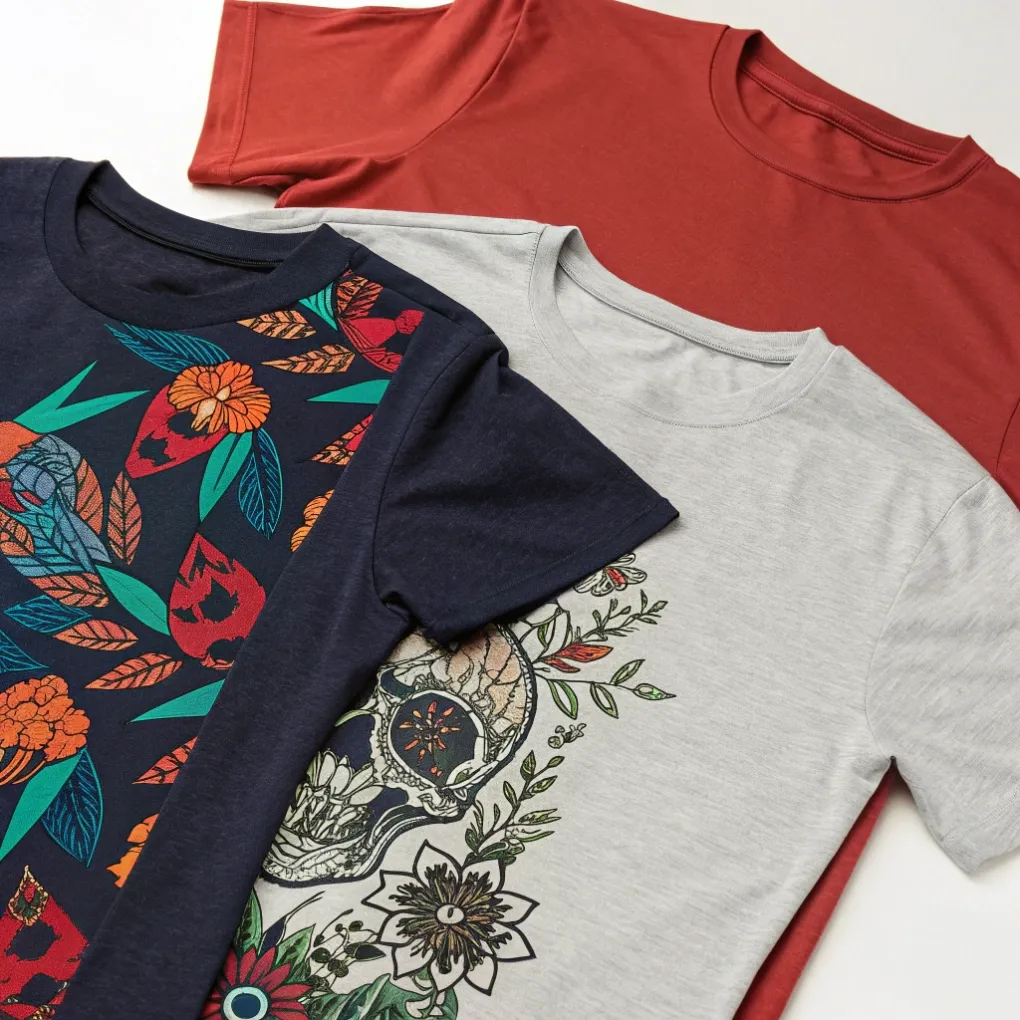
How Are Custom T-Shirts Printed?
Are you confused by the different ways to print custom t-shirts and worried about choosing a method that peels, cracks, or fades after one wash? Picking the wrong printing process wastes your marketing budget and leaves you with disappointing apparel.
Custom t-shirts are printed using several primary methods: screen printing for high-volume orders, Direct-to-Garment (DTG) or Direct-to-Film (DTF) for detailed multi-color graphics, heat transfer for small custom batches, and embroidery for textured corporate uniforms. The right method depends on order quantity, fabric type, and artwork complexity.
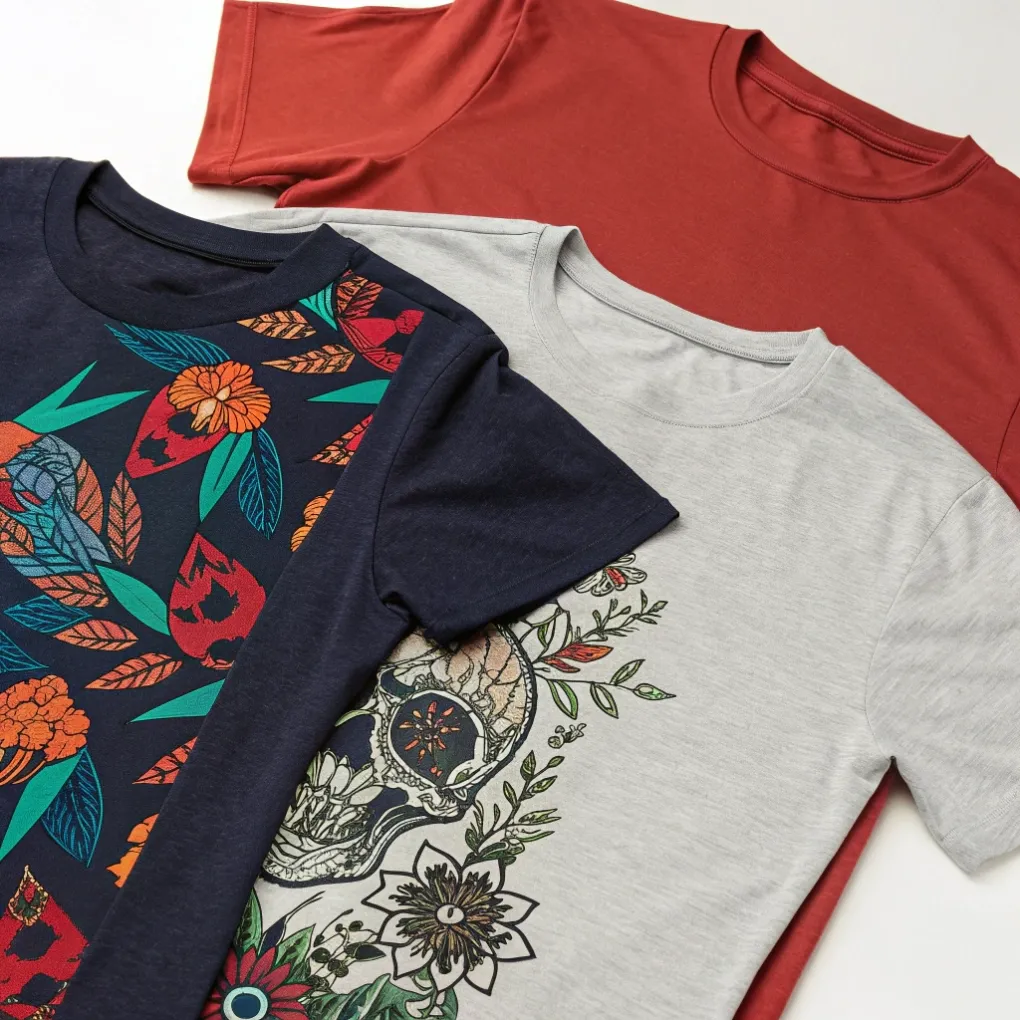
When I started my career in a humble printing factory, I saw clients choose cheap printing methods that ruined their custom apparel in the first wash cycle. Later, I founded Latitude Experience Pte Ltd to help marketing managers and business owners navigate textile customization with complete confidence. Understanding how t-shirts are printed ensures you get vibrant, long-lasting results every single time. Keep reading to learn all about t-shirt printing techniques.
What Equipment Do I Need to Print My Own T-Shirts?
Are you feeling overwhelmed by the endless machinery options when planning to start printing t-shirts at home or in an office? Purchasing incorrect equipment leads to wasted capital and poor print durability.
To print your own t-shirts, basic equipment includes a computer with vector design software, a high-resolution inkjet printer, a commercial heat press machine, heat transfer paper or DTF film, and blank cotton t-shirts. For screen printing, you need mesh screens, squeegees, photo emulsion, exposure units, and specialized textile inks.
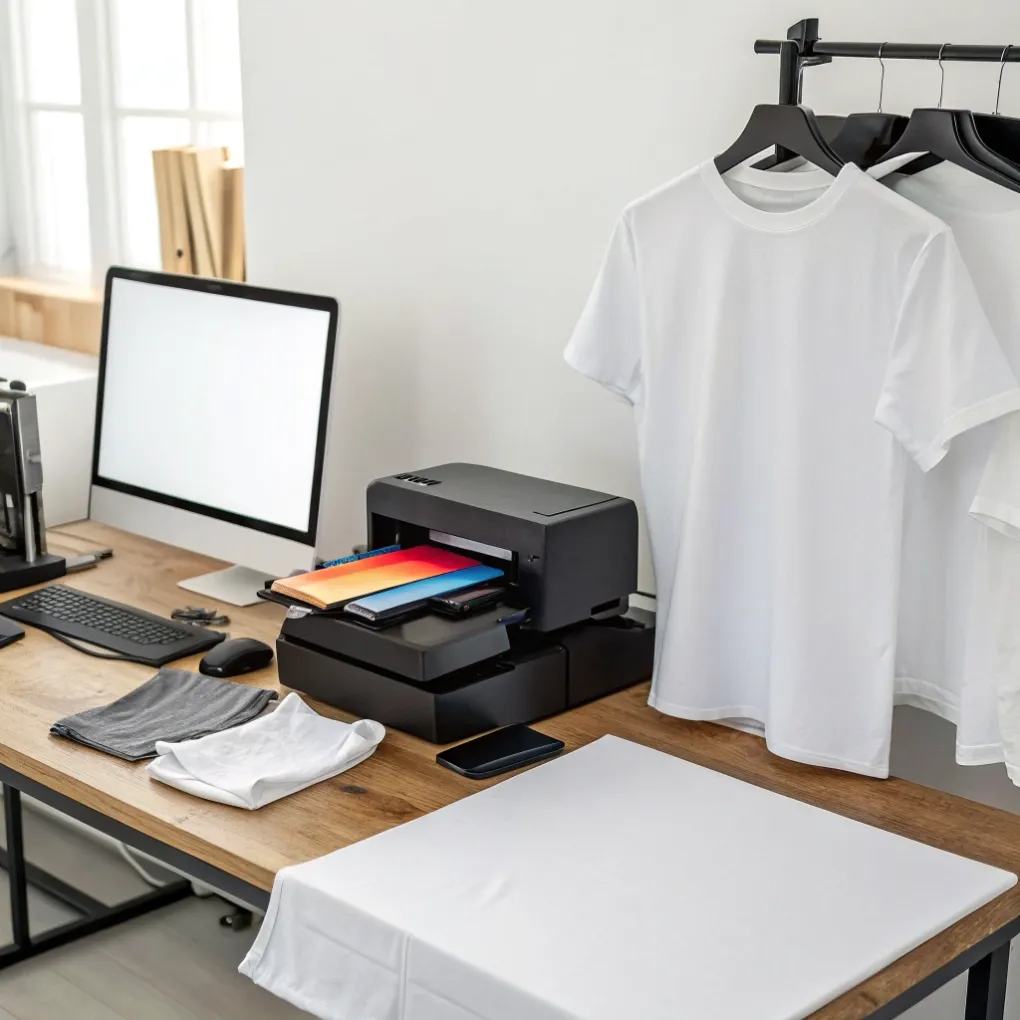
Essential Equipment Setup Comparison
During my decades in product customization and factory press operation, I have evaluated dozens of machinery configurations. The equipment you choose depends on your target order volume and production space.
A heat press setup requires minimal space and low investment, making it ideal for small custom orders. However, professional screen printing or direct-to-garment setups require larger spaces, ventilation, and dedicated curing equipment to set the inks permanently.
Printing Method | Core Equipment Required | Initial Investment | Space Needed |
|---|---|---|---|
Heat Transfer / DTF | Desktop printer, heat press, cutter/film | Low ( | Small desk space |
Screen Printing | Exposure unit, mesh screens, squeegees, flash dryer | Moderate ( | Dedicated workshop area |
DTG Printing | Commercial DTG printer, pretreatment machine, heat press | High ( | Medium room / Studio |
Selecting the right equipment setup ensures you match your production capacity with your actual business goals.
Is It Hard to Print Your Own T-Shirts?
Are you worried that learning how to print t-shirts requires advanced technical degrees or years of artistic training? Fearing steep learning curves can stop you from launching your own apparel line or producing custom team shirts.
No, basic t-shirt printing using heat press or vinyl transfers is not hard to learn with basic design tools and practice. However, mastering commercial screen printing or direct-to-garment calibration requires technical skill in color separation, ink curing temperatures, fabric pretreatments, and precise screen alignment.
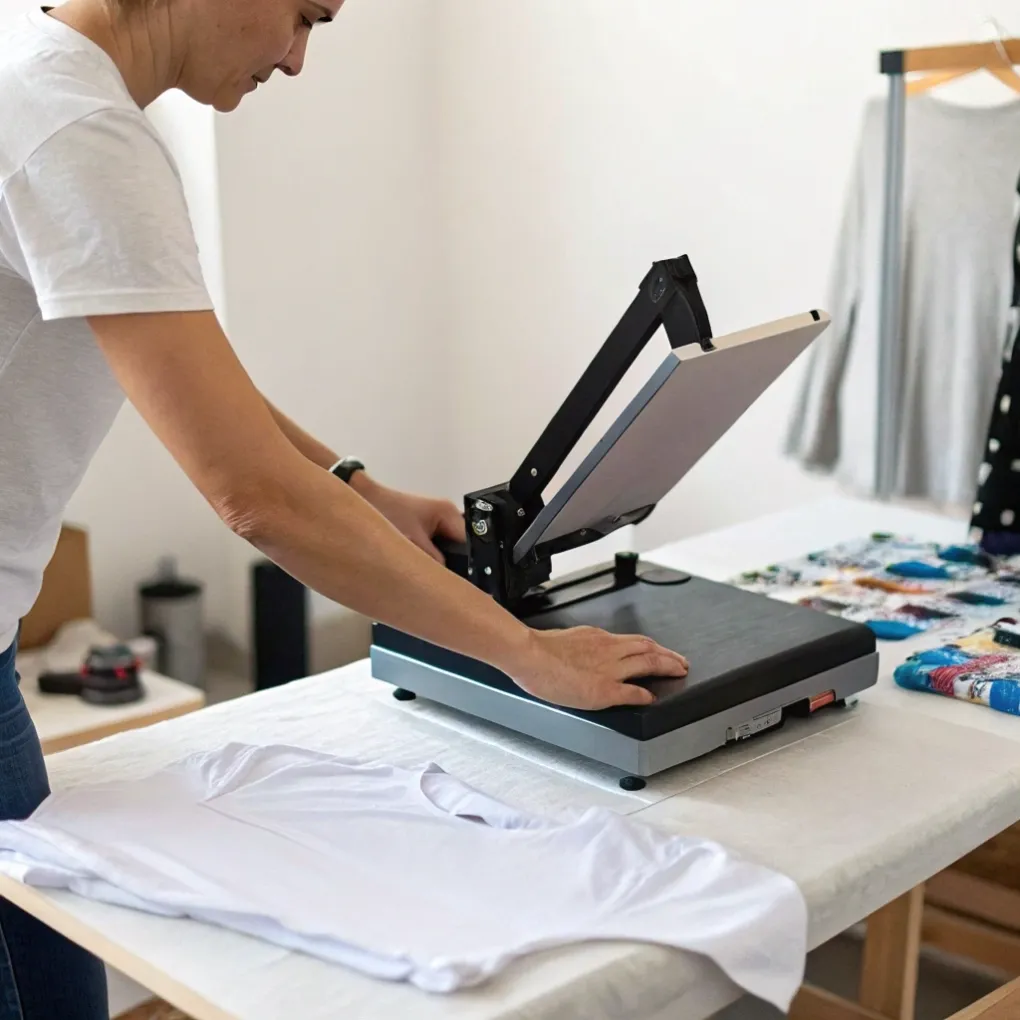
Overcoming Technical Production Challenges
At Latitude Experience Pte Ltd, clients like Jacky often ask me whether they should print shirts in-house or outsource to a dedicated partner. In my early factory days, I spent months learning how ink viscosity changes with temperature and humidity.
If ink is not cured at the exact temperature (usually 160°C for plastisol inks), the design washes out during the first laundry cycle. Sourcing blank tees, preparing artwork files, and managing ink curing can take valuable time away from growing your business.
Printing Stage | Basic Difficulty Level | Key Technical Requirement | Common Beginner Mistake |
|---|---|---|---|
Artwork Preparation | Low to Moderate | High-resolution vector files (300 DPI) | Using low-res web images |
Print Application | Moderate | Correct heat, pressure, and press time | Incorrect press temperature |
Ink Curing & Washing | High | Full ink thermal cross-linking | Under-curing, leading to wash-out |
Partnering with an experienced apparel printer saves you from costly trial-and-error mistakes while guaranteeing professional results.
Is T-Shirt Printing a Profitable Business?
Are you wondering if starting a custom t-shirt printing business is still financially viable in today's competitive market? Launching a business without understanding profit margins and production efficiency can lead to financial losses.
Yes, t-shirt printing is a highly profitable business with average profit margins ranging between 30 and 60 percent. Success depends on finding a specific market niche, managing garment sourcing costs, maintaining reliable print quality, and offering high-value custom designs that customers love.
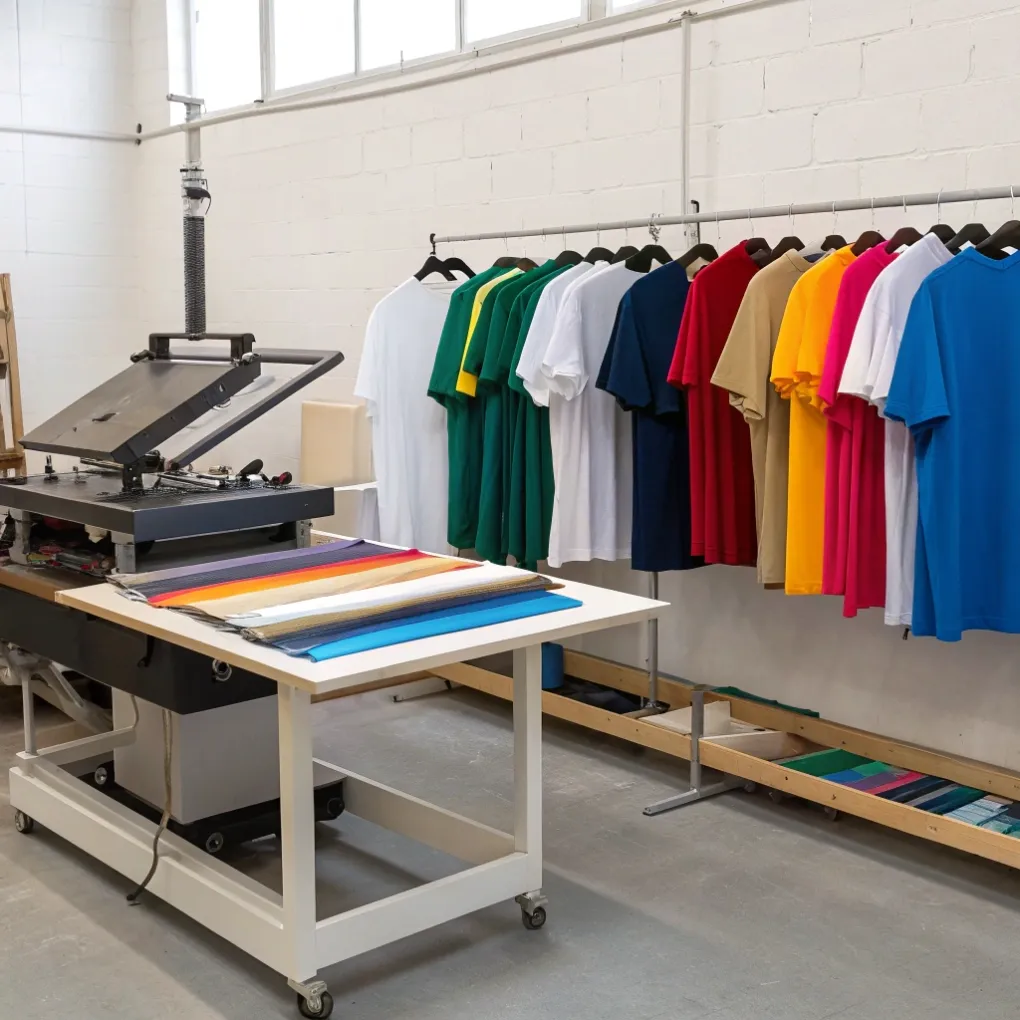
Maximizing Profit Margins on Custom Apparel
Throughout my career in the printing and branding industry, I have watched hundreds of t-shirt brands succeed. The key to high profitability is moving away from generic low-cost printing and offering complete solutions.
When you combine high-density cotton blanks with crisp custom artwork, subtle branding details, and elegant packaging, customers happily pay premium retail prices. Bulk corporate shirt orders offer high, predictable revenue streams for established printing companies.
Business Model | Average Blank Garment Cost | Print & Overhead Cost | Retail Selling Price | Average Profit Margin |
|---|---|---|---|---|
Bulk Corporate Shirts | | | | 40% – 50% |
Niche E-Commerce Brand | | | | 50% – 65% |
Event & Promotional Tees | | | | 30% – 40% |
Focusing on product quality, efficient production, and clear customer communication ensures sustainable long-term profitability for your t-shirt printing business.
Conclusion
Custom t-shirts are printed using screen printing, DTG, DTF, or heat transfer technology, delivering high profit potential and long-lasting brand visibility when matched with the right fabric and curing techniques.