Jun 26, 2026Services Overview
Are Water Bottles the Ultimate Tool for a Healthier, More Intentional Routine?
Water bottles encourage healthier, more intentional routines by making hydration convenient, promoting wellness habits, and supporting sustainable daily living.
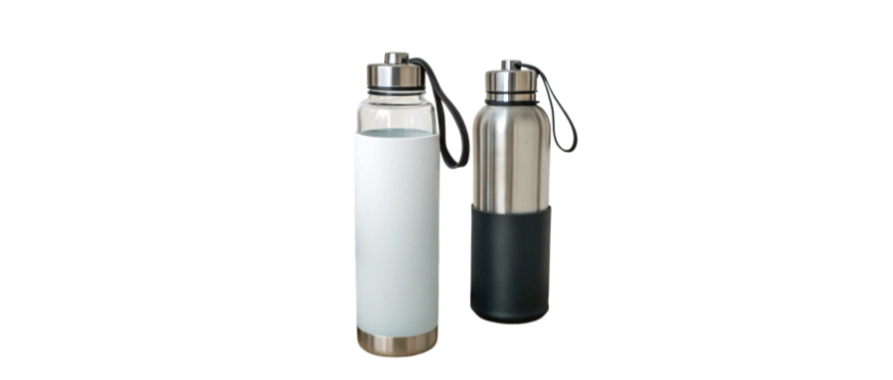
Are Water Bottles the Ultimate Tool for a Healthier, More Intentional Routine?
Struggling with a desk cluttered by flimsy plastic cups that sweat, spill over your paperwork, or let your ice melt within an hour? Relying on temporary containers turns simple hydration into a messy, distracting chore.
The best water bottles are premium, reusable hydration vessels designed to eliminate single-use plastic waste while keeping beverages at their ideal temperatures. They serve as essential daily tools that support personal wellness, reduce microplastic exposure, and fit seamlessly into professional and active lifestyles.
I have spent ten years on production lines and in corporate branding offices, starting my career right on a humble printing factory floor. I know firsthand that the items we keep visible on our desks say everything about our professional standards. I used to rely on whatever disposable bottles were nearby, but now I never head to a client presentation or a supply check in Singapore without a sturdy, personal flask. It isn't just an accessory; it is a permanent piece of daily infrastructure that helps you build better habits. Let's look at how to choose a healthy, high-quality bottle that quietly removes friction from your routine.
What Are the Best Water Bottles to Buy?
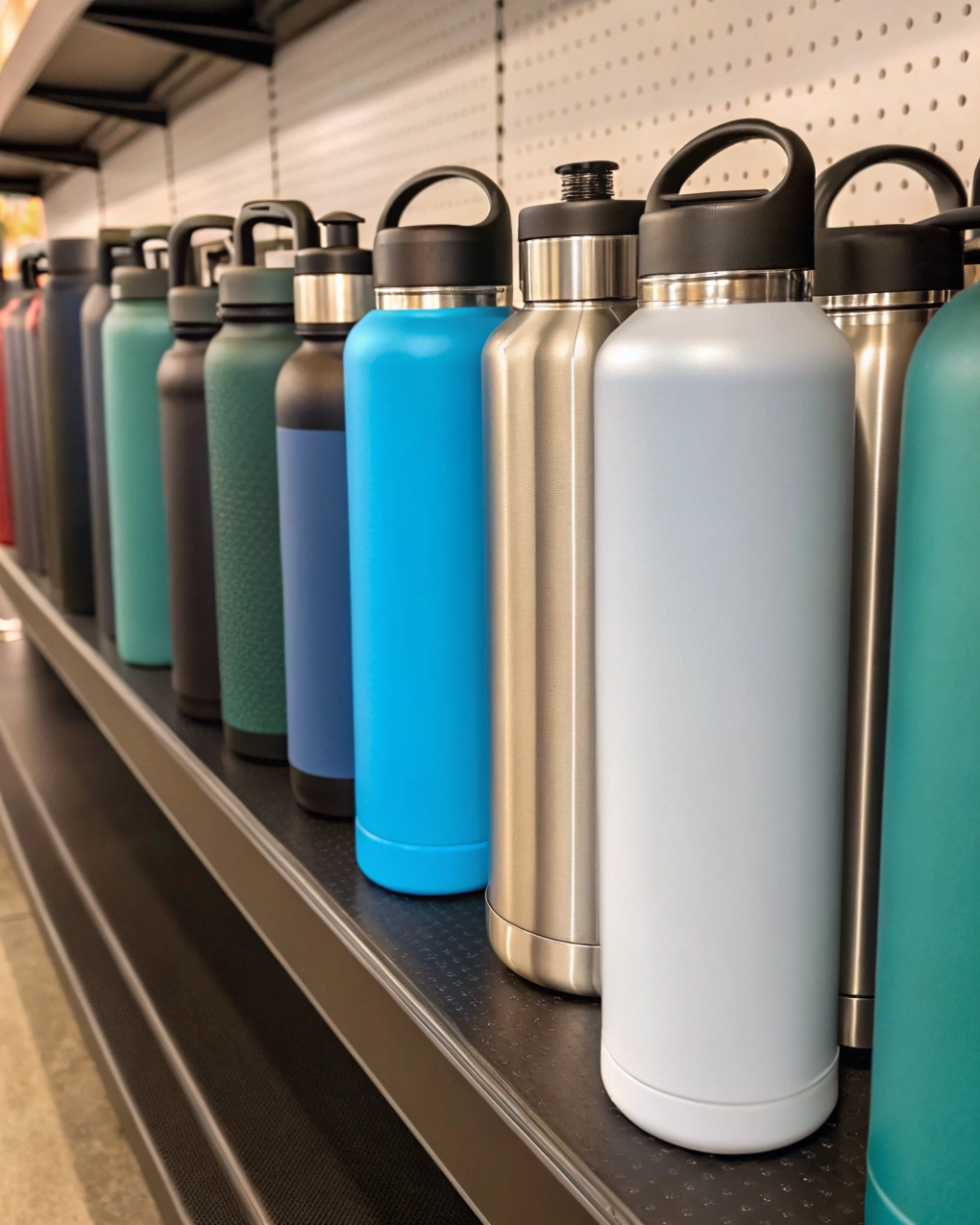
Are you feeling overwhelmed by the endless sea of identical-looking flasks filling up retail shelves today? Finding the absolute best bottle to buy means matching your choice to the specific environment where you spend most of your day.
The best water bottles to buy are double-walled vacuum insulated models from trusted brands like Yeti, Hydro Flask, and Owala for general daily commuting and office work. For rugged, ultra-lightweight outdoor hiking or backpacking where temperature retention isn't a priority, a classic Nalgene Sustain wide-mouth bottle remains the ideal choice.
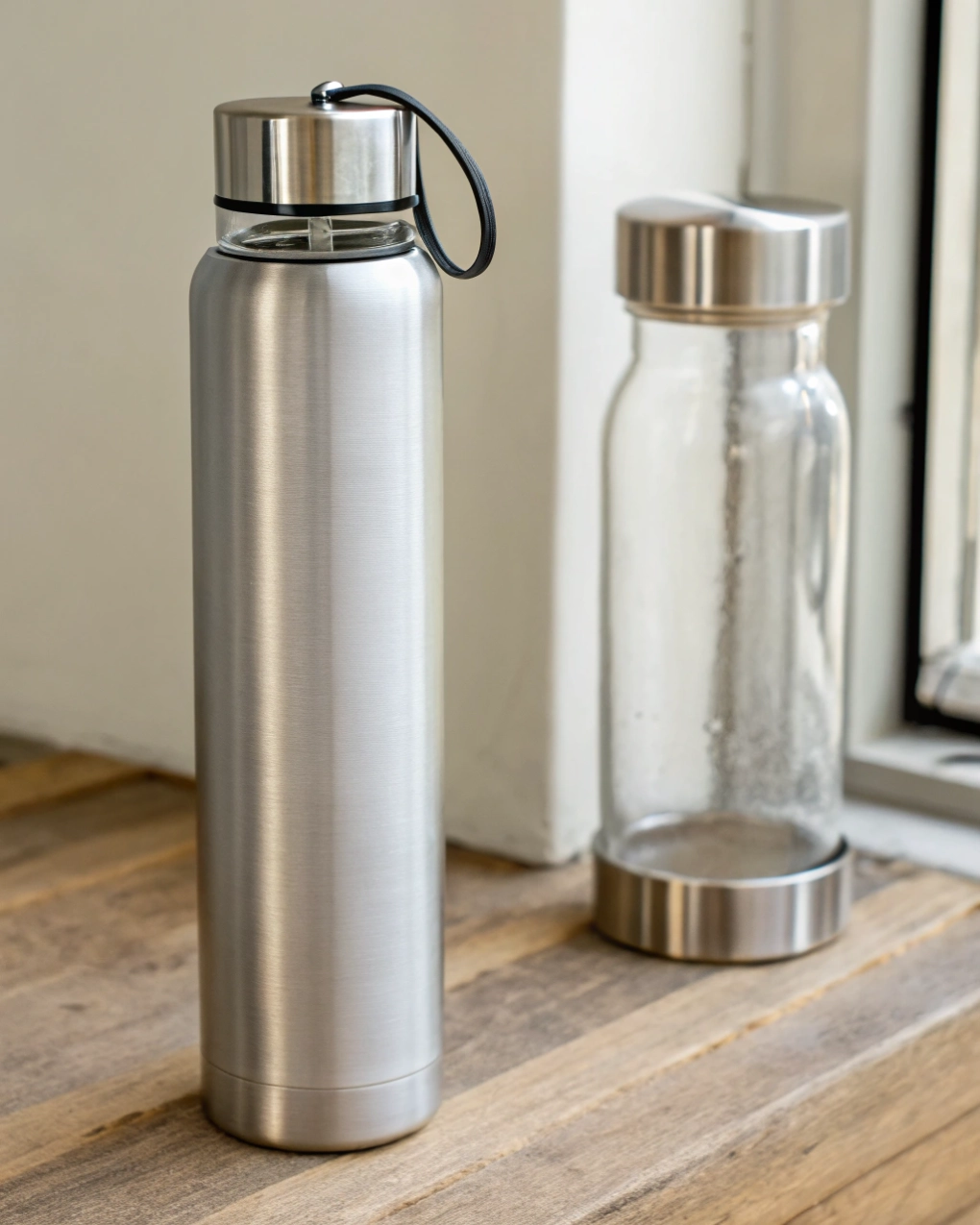
From my perspective as a marketing manager, the "best" bottle is always the one that fits perfectly into your physical routine. If you spend your hours running between air-conditioned offices and trains, you want an insulated bottle that completely stops condensation. A vacuum barrier prevents "sweating," meaning you can toss the bottle into your bag next to an expensive laptop or design files without a single worry about water damage. Brands like Yeti and Hydro Flask are popular because they build this exact peace of mind right into the steel.
If your day involves driving or high-intensity workouts, the lid design becomes your top priority. This is why the Owala FreeSip has become such a massive favorite recently; it offers a clever hybrid spout that lets you sip through a built-in straw or swig from a wide opening. When we source gear for corporate teams, we look for these specific ease-of-use details. A bottle should never feel like a puzzle to unlock; it should give you quick, one-handed hydration so you can stay focused on your work.
Bottle Model | Best Use Case | Standout Design Feature | Care Requirement |
|---|---|---|---|
Yeti Rambler (Chug Cap) | Office desk & Rugged travel | Heavy-duty handle, shatterproof lid | 100% Dishwasher safe |
Owala FreeSip Insulated | Gym workouts & Driving commutes | Built-in hidden straw or chug spout | Hand wash body, top-rack lid |
Hydro Flask Wide Mouth | Everyday urban lifestyle | Flexible carry strap, soft texture | Dishwasher safe, versatile lids |
Nalgene Sustain 32oz | Backpacking & Rough camping | Ultra-lightweight, high drop safety | Easy to scrub wide-mouth track |
I remember a project where we helped a trading firm select promotional gifts for an upcoming outdoor summit. They originally wanted a complicated, folding silicone bottle. I guided them toward a clean, vacuum-insulated model with a rugged matte finish instead. The feedback was incredible because the bottles went straight into daily use at the office long after the event ended, keeping the company's brand visible in a professional setting every morning.
Which Is the Best Quality Water Bottle?
Are you tired of buying reusable flasks that leak in your backpack, dent at the slightest drop, or make your water taste like metal? True manufacturing quality comes from combining premium base materials with expert structure control.
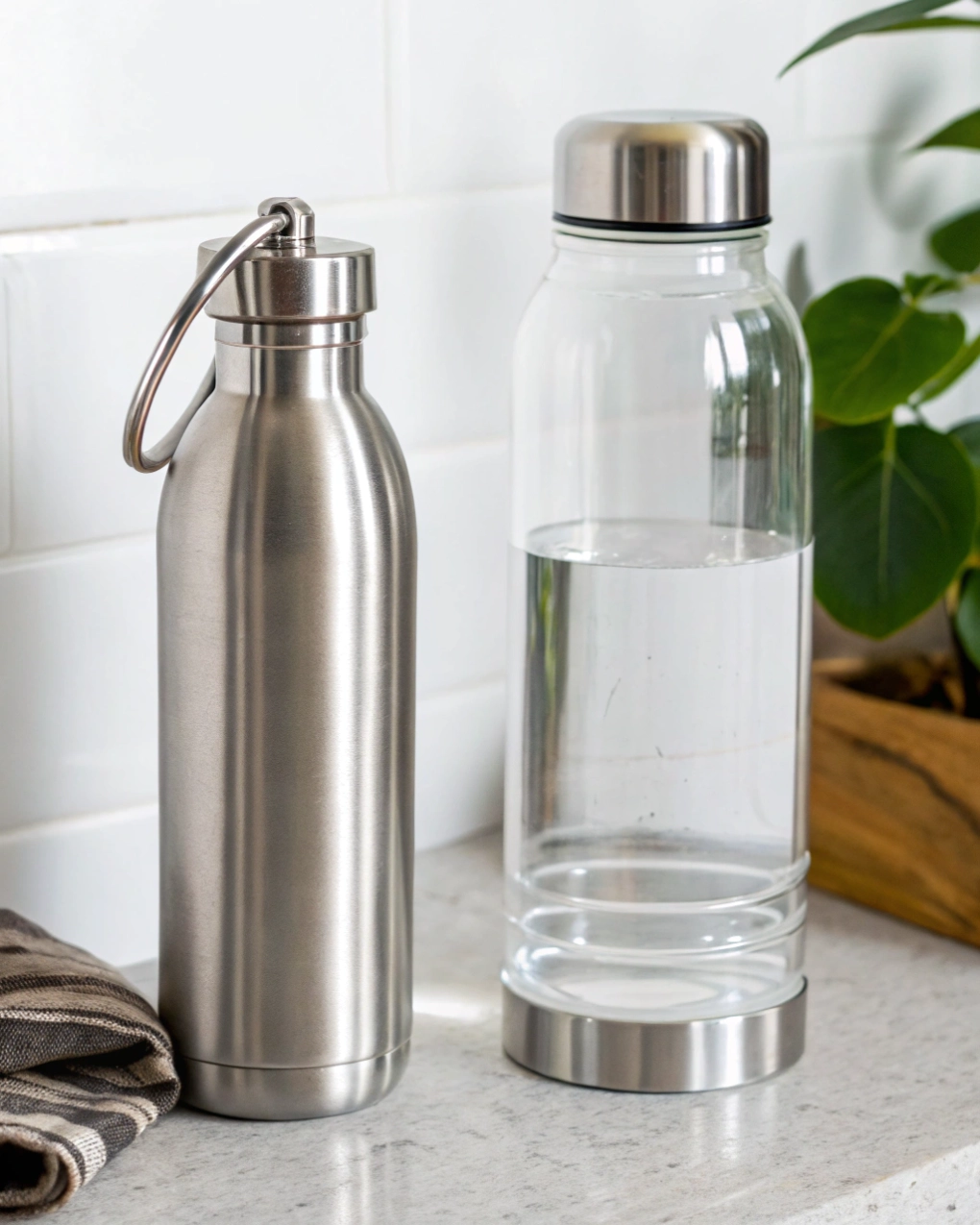
The best quality water bottle is constructed from pro-grade 18/8 stainless steel or thick borosilicate glass, featuring a food-safe silicone gasket that ensures a 100% leak-proof seal. To completely eliminate flavor retention, premium models utilize an ultra-smooth electropolished finish or a specialized interior ceramic lining.
In my early factory days, I watched how different materials handled stress and quality checks. Low-cost metal bottles often use cheap 201-grade steel, which is prone to rusting along the internal seams over time. Premium brands use 18/8 (304 grade) food-grade stainless steel, which contains 18% chromium and 8% nickel to form a natural shield against corrosion. It gives the bottle a solid, heavy "thump" when placed on a table, signaling structural permanence to anyone holding it.
However, the real benchmark for quality today is flavor protection. If you use a standard metal bottle for coffee in the morning, the microscopic pores in the steel can trap oils, leaving a stale smell that ruins your plain water later. This is why "Purist-style" bottles or ceramic-coated interiors are changing the market. They fuse a smooth, glass-like lining directly onto the steel core. You get the unbreakable, rugged strength of metal on the outside, but your drink only touches pure, non-reactive glass on the inside. It removes all sensory friction from your routine.
Quality Indicator | Low-End Promo Vouchers | High-Quality Factory Standards |
|---|---|---|
Internal Seams | Rough, visible weld lines (Traps grime) | Seamless, electropolished flat surface |
Lid Seal Gasket | Thin rubber rings that slip out easily | Deep, food-grade molded silicone track |
Exterior Paint | Air-dried gloss spray (Chips and peels) | Hard-baked, textured powder coating |
Thread Precision | Loose tracks that cause accidental leaks | Deep, sharp threads that lock with a turn |
I use one of our original heavy-duty canvas bags to carry our sample flasks between factory inspections and client pitches. One of our 18/8 steel samples has been dropped onto concrete multiple times; it has a few minor surface scuffs, but the double-wall vacuum seal remains completely intact and it still keeps water crisp for 24 hours. It proves that real quality is built to outlast trends, turning a basic utility object into a long-term personal asset.
Which Water Bottle Is Healthiest?
Are you concerned about recent health warnings regarding chemical leaching or invisible plastics entering your drinking water? Choosing a safe container is no longer just a green lifestyle choice—it is a critical decision for your long-term health.
The healthiest water bottle is made from high-borosilicate glass or unlined 18/8 stainless steel, as these materials are completely inert and prevent microplastic or chemical contamination. They avoid the hidden chemical liners found in aluminum and do not leach estrogenic compounds like BPA or phthalates into your beverages.
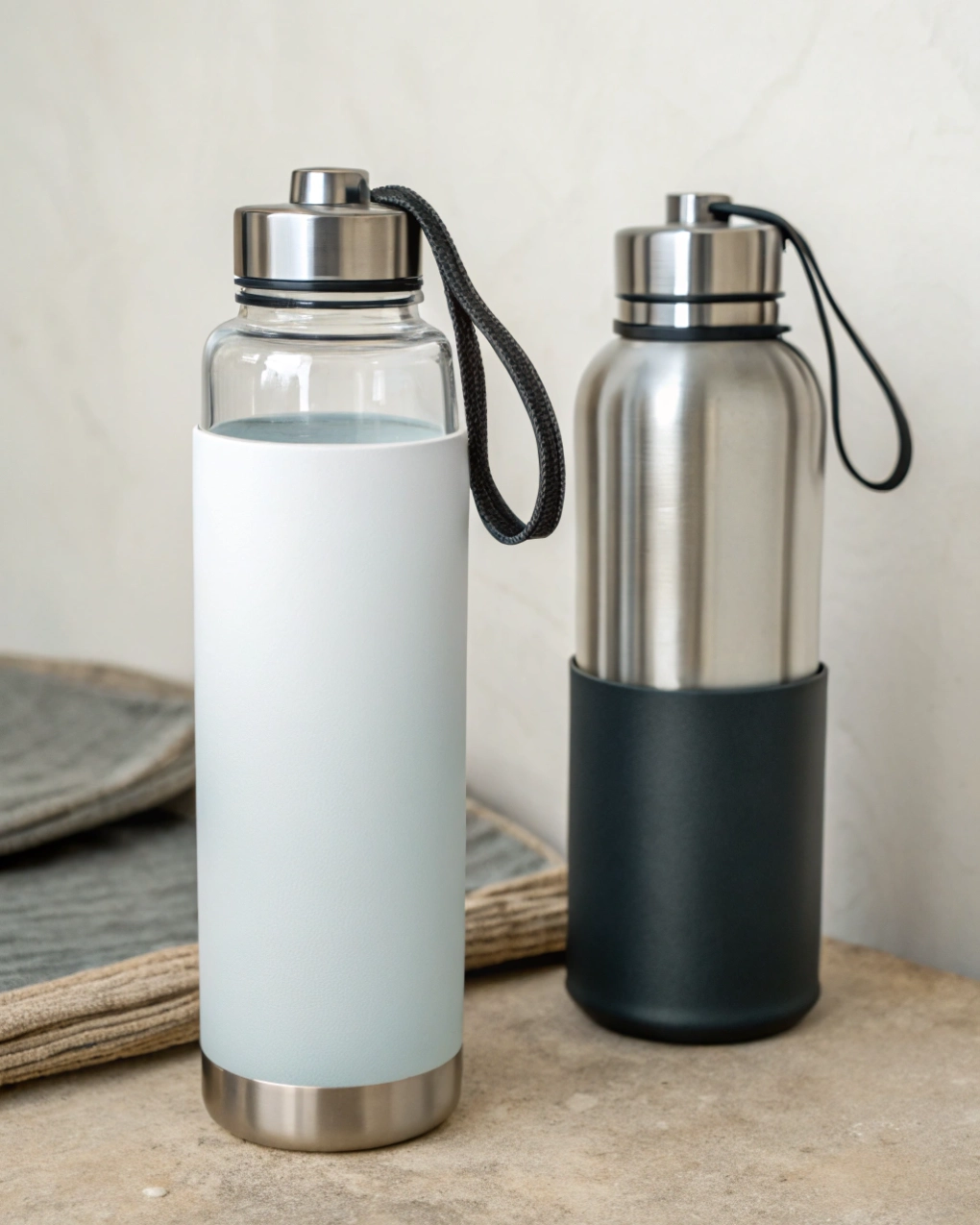
I often discuss material safety with Jacky and other design managers when we curate corporate gifts. Many people think buying a plastic bottle labeled "BPA-free" means it is perfectly safe. However, industrial studies show that many plastic alternatives use replacement compounds like BPS or Tritan that can still react when exposed to high heat or UV sunlight. If you leave a plastic flask inside a hot car trunk, the material can warp and release microplastics directly into your drink. Choosing high-grade steel or glass eliminates that chemical worry entirely.
Hygienic maintenance is the other half of the health equation. A healthy bottle must be incredibly easy to wash thoroughly. If a cap features deep, complex straw channels, hidden spring valves, or multi-piece locking buttons, it will collect stagnant moisture and harbor mold over time. I always guide clients toward simple wide-mouth openings and basic screw caps. You can drop standard ice cubes inside easily, scrub the interior walls with a basic sponge in seconds, and ensure your daily hydration routine stays completely clean and sanitary.
Material Group | Chemical Leaching Risk | Microplastic Shedding | Best Environment |
|---|---|---|---|
Food-Grade Steel | Zero (No chemical coatings needed) | Zero | Commuting, office, and rugged travel |
Borosilicate Glass | Zero (Purest taste neutrality) | Zero | Home, executive desk, and clean studios |
Tritan Renew Plastic | Low (Free of standard BPA/BPS) | Risk over long-term wear | Gym workouts, hiking, and kids packs |
Lined Aluminum | Medium (Risk if inner liner scratches) | Zero (But liner composition varies) | Lightweight travel and basic cycling |
I remember helping a local health brand create custom wellness kits for their top tier members. We avoided all plastics and selected a pure borosilicate glass bottle wrapped in a protective, non-slip silicone sleeve. The presentation looked beautifully minimalist, and the members appreciated that the brand stood firmly behind real material safety rather than cheap marketing claims. It showed that when you focus on honest, non-toxic infrastructure, you build a deeper level of trust with your audience.
Conclusion
Modern water bottles succeed because they combine high-performance materials with simple, reliable design to support your health and daily routine. By investing in pro-grade 18/8 stainless steel or clean borosilicate glass, you eliminate microplastic risks, lower single-use waste, and secure a dependable companion that protects your workspace and keeps your brand visible for years.