Aug 24, 2026News & Insights
Are Stainless Steel Water Bottles Safe to Drink From?
Food-grade 304 and 316 stainless steel bottles are safe, durable, hygienic, and ideal for daily hydration when properly cleaned and maintained.
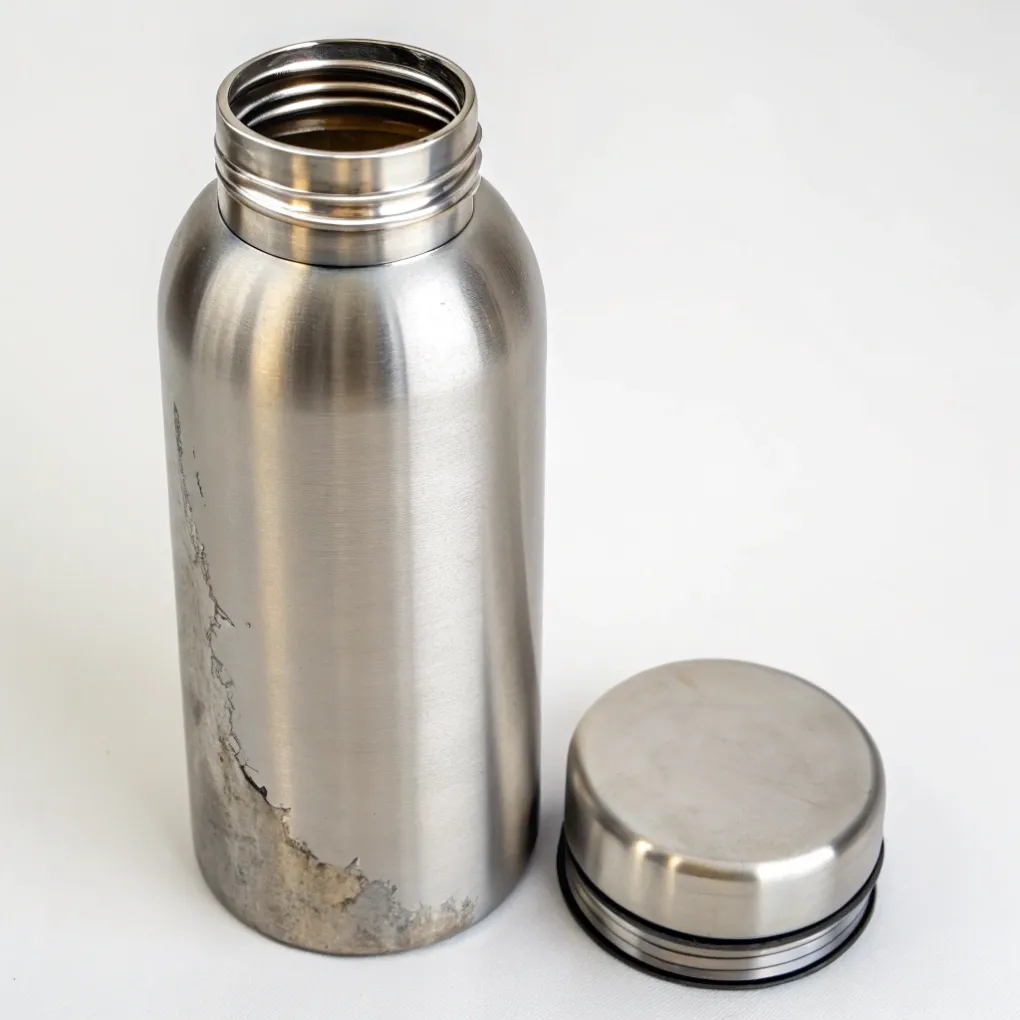
Are Stainless Steel Water Bottles Safe to Drink From?
Do you worry that your reusable metal flask might leach harmful chemicals or metallic tastes into your daily drinking water? Low-grade metal bottles risk your health and damage your company reputation.
Yes, food-grade 304 and 316 stainless steel water bottles are completely safe to drink from because they resist corrosion, release negligible trace minerals well below safety limits, and avoid toxic plastic liners.
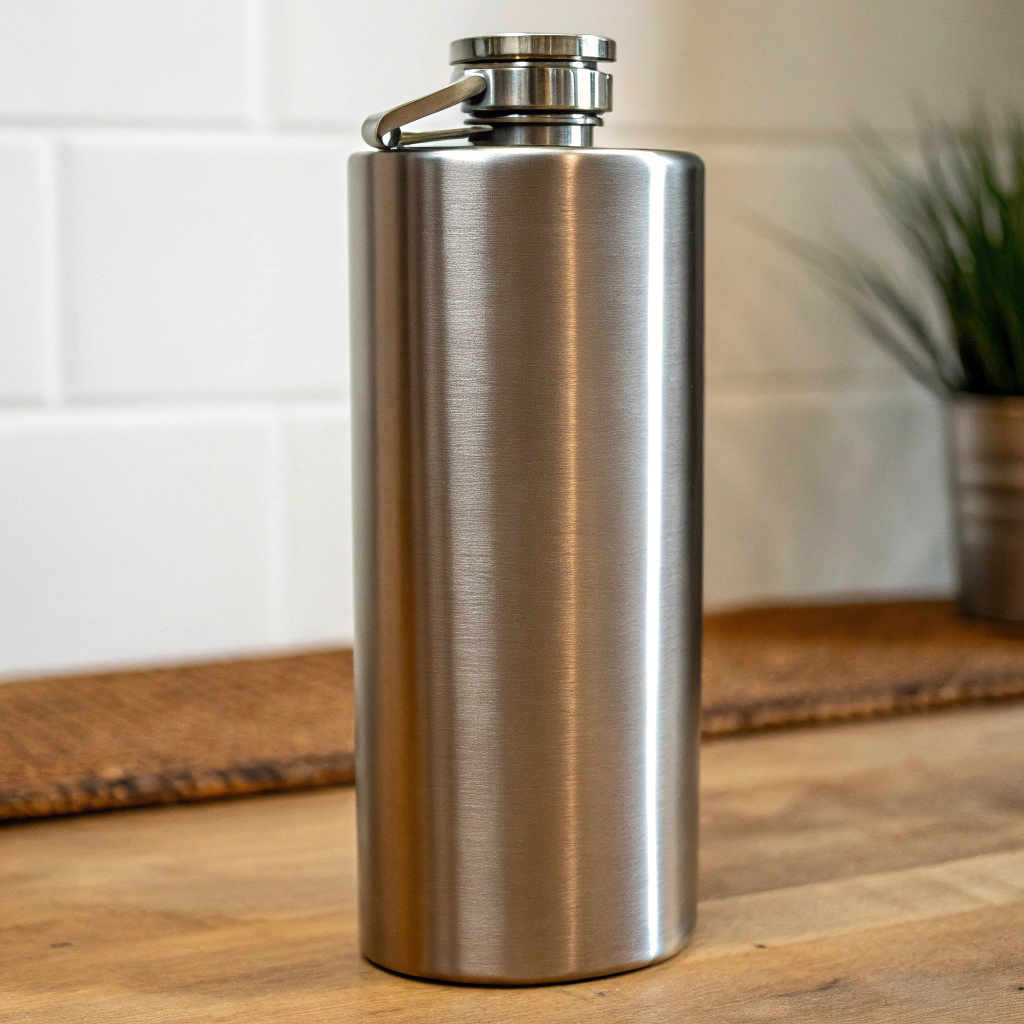
When I ran production lines in printing and manufacturing factories, clients often asked if metal bottles were truly safe. Simply saying “steel is safe” misses the full picture: steel grade, manufacturing quality, and interior condition matter immensely.
What Are the Disadvantages of a Stainless Steel Water Bottle?
Are you frustrated by heavy flasks, dented bases, or metallic tastes when you carry your drinks around all day? Metal drinkware offers great durability, but it also brings specific practical trade-offs.
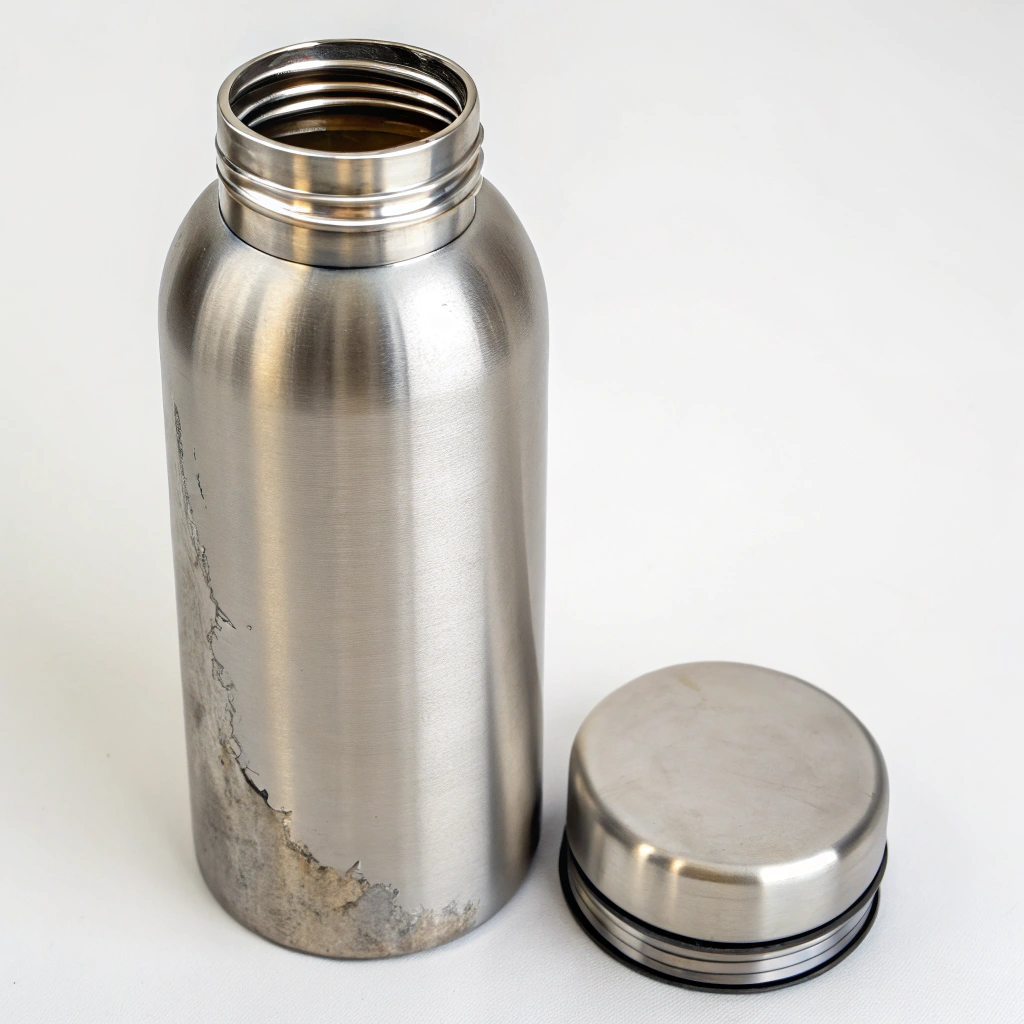
The main disadvantages of stainless steel bottles are their heavier weight, vulnerability to dents from drops, higher cost, potential metal leaching when scratched by acidic drinks, and hard-to-clean lid gaskets that trap mold.
Practical Limits and Maintenance Challenges
When I help marketing managers like Jacky source corporate gifts, I remind them that stainless steel is not indestructible. Heavy drops create internal dents, which crack protective passivation layers. Tokyo health authorities actively warn that damaged metal interiors exposed to acidic juices, sports drinks, or carbonated sodas can increase metal migration over time.
Furthermore, the weakest point of any metal bottle is rarely the steel body itself. The real hazard lies in the lid threads, silicone seals, and straw valves. If users cannot disassemble and scrub these rubber gaskets easily, trapped moisture breeds black mold and bacteria, ruining an otherwise premium product.
Problem Area | Root Cause | Health or Usability Risk | Preventive Solution |
|---|---|---|---|
Internal Corrosion | Scratched interior combined with acidic juice | Trace metal migration and sour taste | Use food-grade 304/316 steel and inspect walls |
Mold Buildup | Neglected silicone seals and tight lid threads | Bacterial growth and bad odors | Choose removable gaskets and wash daily |
Structural Dents | Accidental drops on hard concrete floors | Damaged vacuum insulation layer | Add protective silicone boots to bottle bases |
Metallic Aftertaste | Low-grade industrial steel or poor electro-polishing | Unpleasant drinking experience | Pick electropolished 18/8 food-contact interiors |
How Long Can Water Sit in a Stainless Steel Water Bottle?
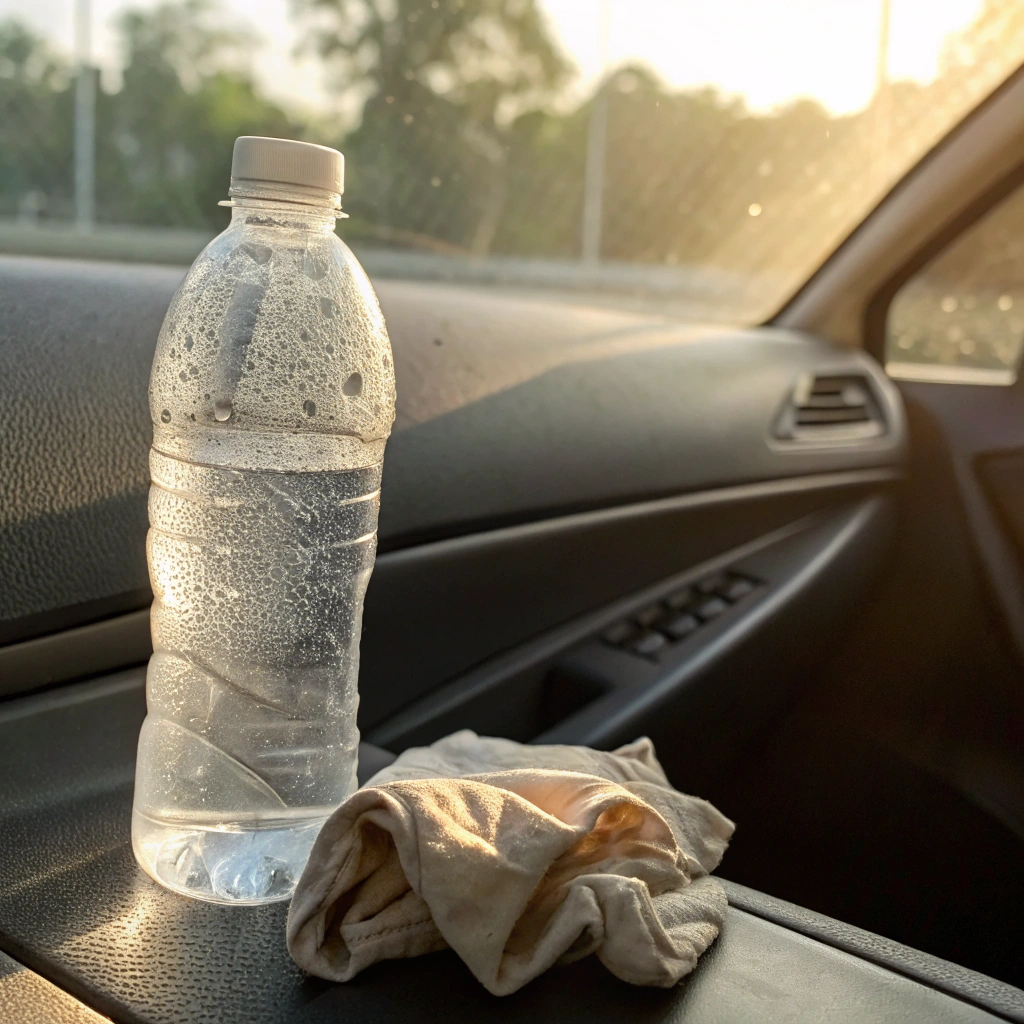
Do you leave half-full water bottles in your car or on your desk for days and wonder if the water is still clean? Stagnant water quickly breeds bacteria from your backwash.
Plain water can sit safely in a clean, sealed stainless steel bottle for 1 to 3 days at room temperature, though you should change the water daily and wash the bottle regularly to prevent bacteria growth.
Safe Storage Times for Different Beverages
Stainless steel provides an inert, non-porous surface that keeps water fresh much longer than single-use plastic. However, every time your mouth touches the bottle rim, oral bacteria enter the liquid. In warm office conditions, these microorganisms multiply rapidly even inside high-grade steel flasks.
Beverage type changes safe storage times dramatically. Plain boiled or filtered water stays safe for a couple of days. In contrast, dairy milk, protein shakes, freshly squeezed citrus juices, and sugary sports drinks spoil within hours. Storing acidic drinks for prolonged periods can also slowly attack the metal surface if the inner wall has existing scratches.
Beverage Stored | Safe Storage Window | Primary Storage Risk | Best Practice Guideline |
|---|---|---|---|
Plain Filtered Water | 24 to 72 Hours | Slow bacterial multiplication from saliva | Empty, rinse, and refill with fresh water daily |
Citrus / Sports Drinks | 6 to 12 Hours | Acidic contact with micro-scratches | Wash promptly after use; do not leave overnight |
Milk & Dairy Drinks | 2 to 4 Hours | Rapid bacterial spoilage and curdling | Consume quickly; clean lid gaskets immediately |
Black Coffee / Plain Tea | 12 to 24 Hours | Tannin stains and lingering bitterness | Use baking soda soak to remove dark stains |
What Is the Unhealthiest Bottled Water to Drink?
Are you wasting money on bottled water brands that leach harmful microplastics and chemical residues into your drinking supply? Poor water packaging exposes your body to unwanted toxins and microplastic particles.
The unhealthiest bottled water comes in low-grade single-use plastic bottles exposed to heat or sun, which leach antimony, phthalates, and thousands of microplastic particles directly into your drinking water.
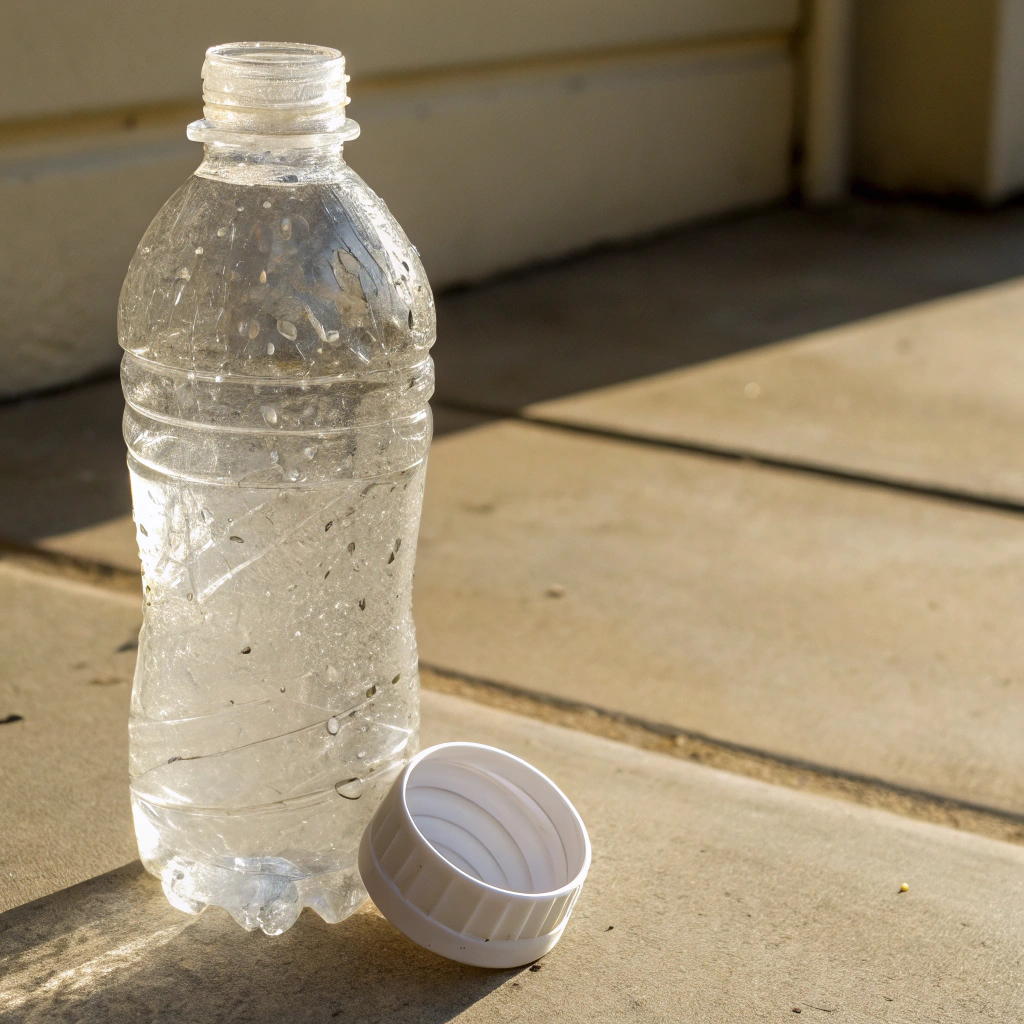
Single-Use Plastics vs Reusable Steel
Many consumers assume that all bottled water is pure. In reality, single-use PET bottles degrade quickly when left in hot delivery trucks or sunny cars. Recent laboratory studies show that single-use plastic bottles shed hundreds of thousands of microscopic plastic fragments per liter, which enter your bloodstream upon digestion.
Switching to a certified food-grade stainless steel bottle eliminates plastic chemical leaching entirely. When businesses supply premium metal bottles to staff and clients, they remove single-use plastic waste while protecting recipient health. A durable, cleanable metal bottle creates a reliable daily habit that reflects positive company values.
Water Container Type | Chemical Leaching Risk | Microplastic Shedding | Long-Term Health Profile |
|---|---|---|---|
Single-Use PET Plastic | High when heated (BPA, Phthalates) | Very High (Over 100,000 particles/L) | Poor; potential hormone disruption |
Low-Grade Aluminum (Lined) | Moderate (Relies on epoxy resin liners) | Low to Moderate | Fair; liner can degrade over time |
Food-Grade 304/316 Steel | None under normal conditions | Zero microplastics | Excellent; non-toxic, durable, and clean |
Conclusion
High-grade stainless steel water bottles are very safe, durable, and healthy when you choose certified 304 or 316 steel, avoid scratched interiors, and clean lid gaskets daily.