Oct 14, 2026News & Insights
Are Cotton Tote Bags Really Eco-Friendly? The Truth About Reusable Bags
Cotton tote bags are eco-friendly only when reused consistently, made from sustainable materials, and used long enough to offset their environmental footprint.
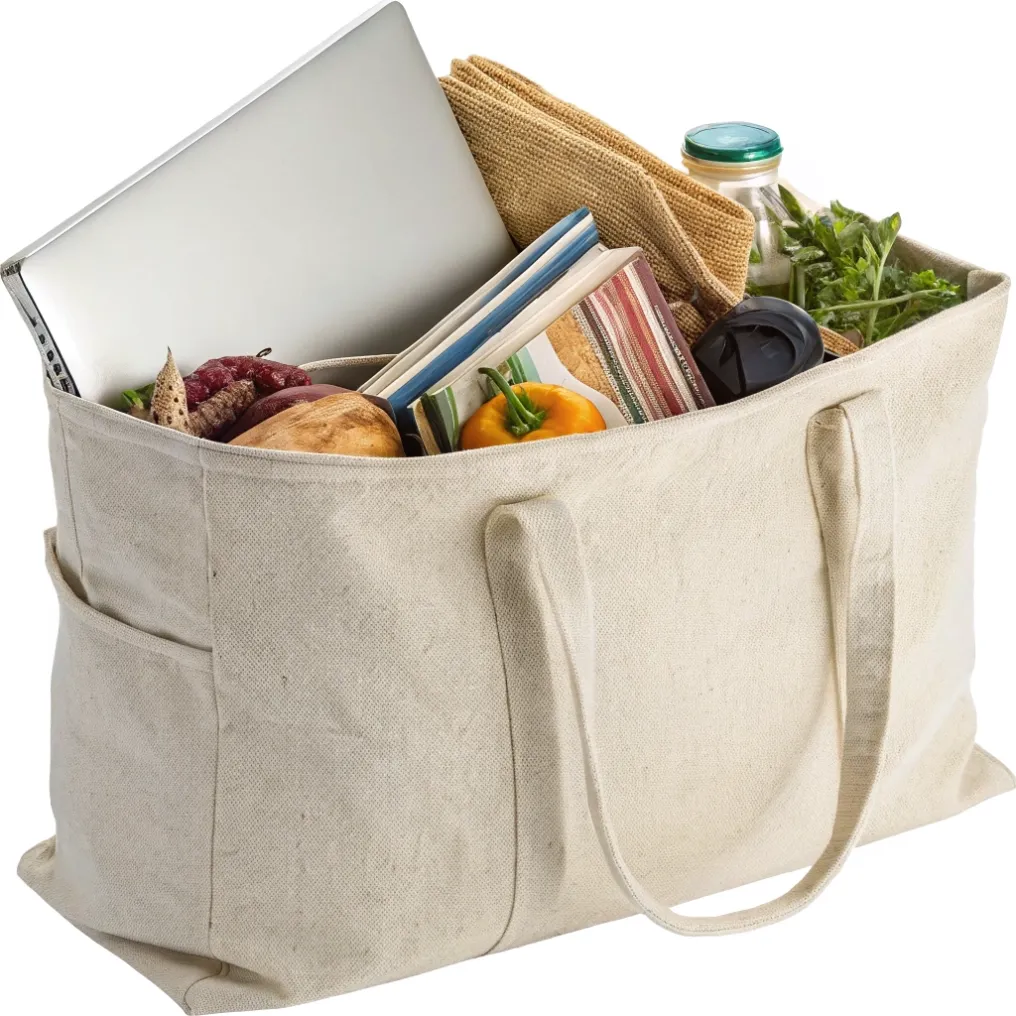
Are Cotton Tote Bags Really Eco-Friendly? The Truth About Reusable Bags
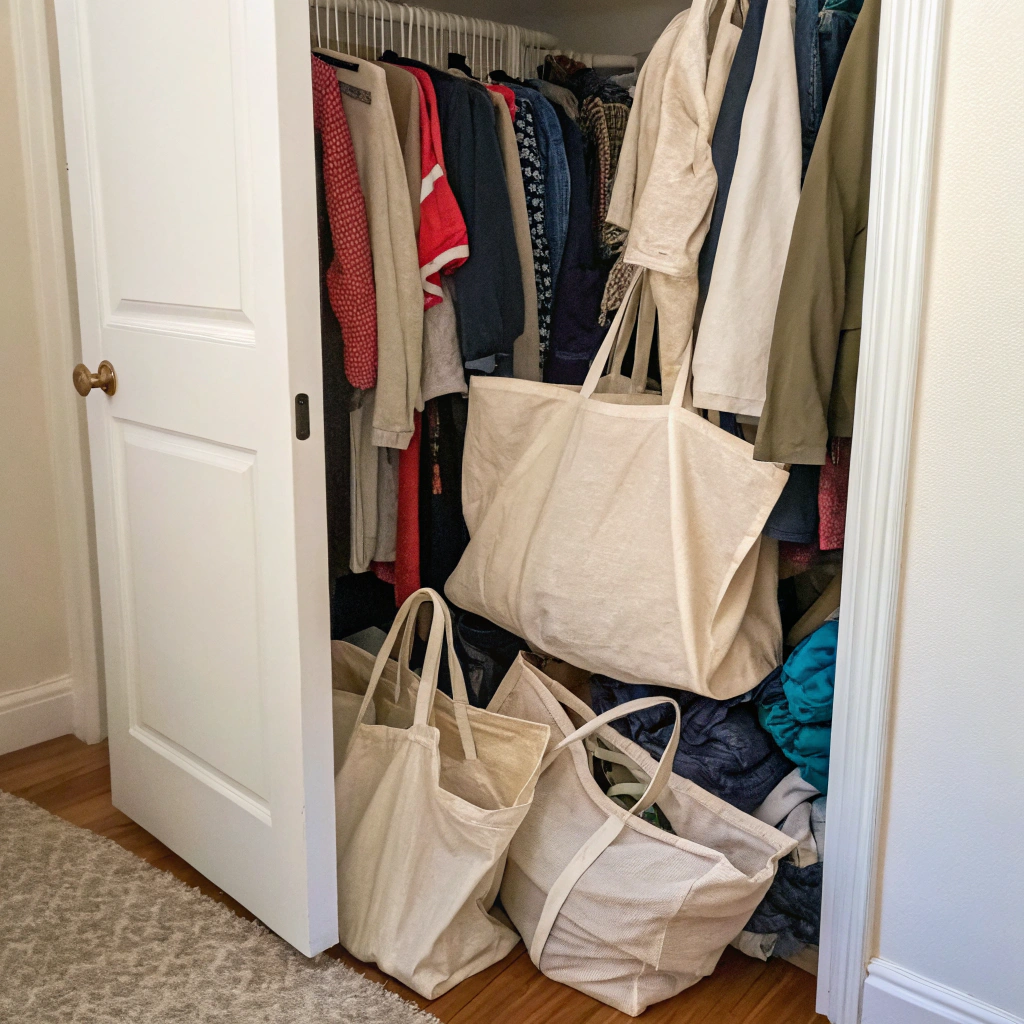
Do you grab another free branded cotton tote at a conference thinking you are helping the planet, only to shove it into an overflowing closet with a dozen others? Assuming that swapping single-use plastic for cotton is automatically an ecological victory overlooks the massive agricultural and manufacturing footprints behind natural textiles.
Cotton tote bags are eco-friendly only if they are reused dozens to hundreds of times—consistently displacing single-use plastic sacks—because growing, spinning, and shipping heavy cotton requires substantial water, land, and energy compared to ultra-lightweight polymer films.
When I started my career working on the production floor of a printing and textile fabrication factory years ago, I saw thousands of cotton totes roll off industrial cutters every week. Cotton is a remarkable natural cellulose fiber: it is biodegradable, soft to the touch, and renewable. Yet, life-cycle assessments (LCAs) conducted by environmental protection agencies worldwide reveal that the environmental debt incurred during cotton farming must be repaid through long-term reuse. Let us evaluate which shopping bag truly has the lowest footprint, examine the best eco-friendly tote alternatives, and analyze whether 100% cotton is the right textile choice for your daily carry.
What Is the Most Environmentally Friendly Bag?
Are you wondering which shopping bag profile causes the least overall environmental damage when factoring in carbon emissions, water consumption, and marine pollution? Looking only at a single metric, such as biodegradability or carbon output, leads to incomplete comparisons.
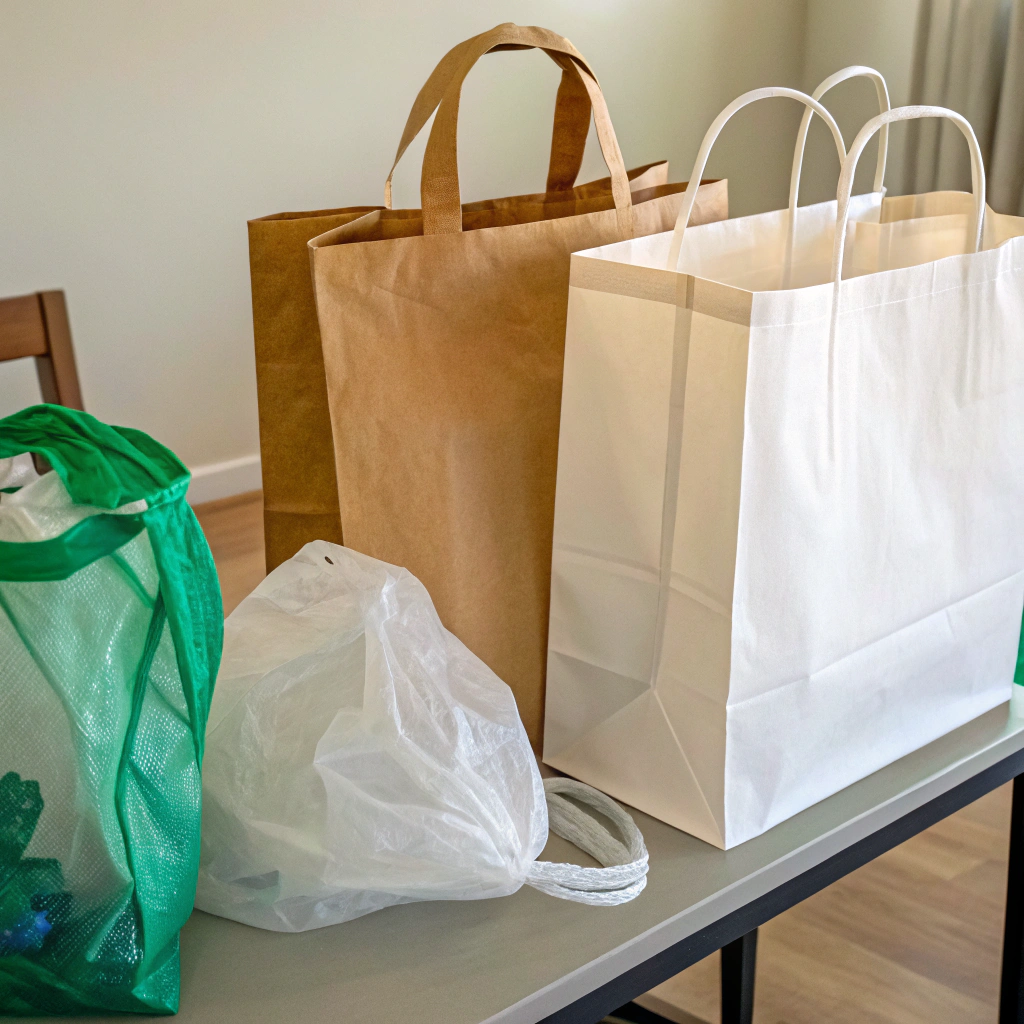
The most environmentally friendly bag is the one you already own and reuse consistently, but for newly manufactured bags, recycled polypropylene (non-woven PP) or post-consumer recycled PET (RPET) totes have the lowest overall life-cycle impact due to minimal water consumption and fast break-even rates.
Life-Cycle Assessments, Break-Even Rates, and Material Footprints
Comprehensive life-cycle studies (including the benchmark Danish Environmental Protection Agency LCA) evaluate bags across multiple environmental categories: climate change impact, ozone depletion, human toxicity, freshwater eutrophication, and agricultural water use.
Because an ultra-thin high-density polyethylene (HDPE) grocery bag weighs just 5 to 7 grams, its initial resource extraction footprint is tiny. A standard 12 oz cotton tote bag weighs roughly 250 grams—using 40 to 50 times more raw material. Consequently, offsetting the greenhouse gas footprint of producing a virgin cotton tote requires roughly 50 to 150 reuses compared to an HDPE bag. If factoring in cumulative agricultural water consumption and pesticide impact, that offset number rises even higher.
Recycled synthetic totes—such as non-woven polypropylene (PP) or recycled polyester (RPET)—strike an exceptional balance. Because they utilize post-consumer plastic waste and require zero agricultural irrigation, they break even against single-use plastic after only 10 to 20 reuses, while providing years of waterproof durability.
Bag Substrate Type | Raw Material Source | Production Energy & Water Use | Reuses Needed to Break Even (vs. HDPE) | End-of-Life Environmental Risk |
|---|---|---|---|---|
Conventional Cotton Tote | Agricultural Gossypium crop | Extremely high irrigation & land use | 50 to 150+ Reuses (Carbon baseline) | Biodegradable (In industrial compost) |
Organic Cotton Tote | Certified organic agriculture | Lower chemical inputs; higher land/water use | 150 to 200+ Reuses | Biodegradable (Untreated fibers) |
Recycled PET (RPET) Tote | Post-consumer plastic bottles | Very low (Recycles existing polymer) | 10 to 20 Reuses | Recyclable in specialized streams |
Non-Woven Polypropylene | Recycled plastic resin | Low manufacturing energy | 10 to 15 Reuses | Microplastic risk if littered |
Single-Use HDPE Bag | Petroleum / Fossil feedstocks | Low energy per unit; zero water use | Baseline Benchmark (1 Use) | Severe marine & terrestrial litter persistency |
What Are Some Eco-Friendly Tote Bags Available?
Do you want to procure or carry sustainable tote bags that don’t contribute to agricultural water strain or disposable promotional waste? Moving beyond raw virgin cotton unlocks innovative circular textiles.
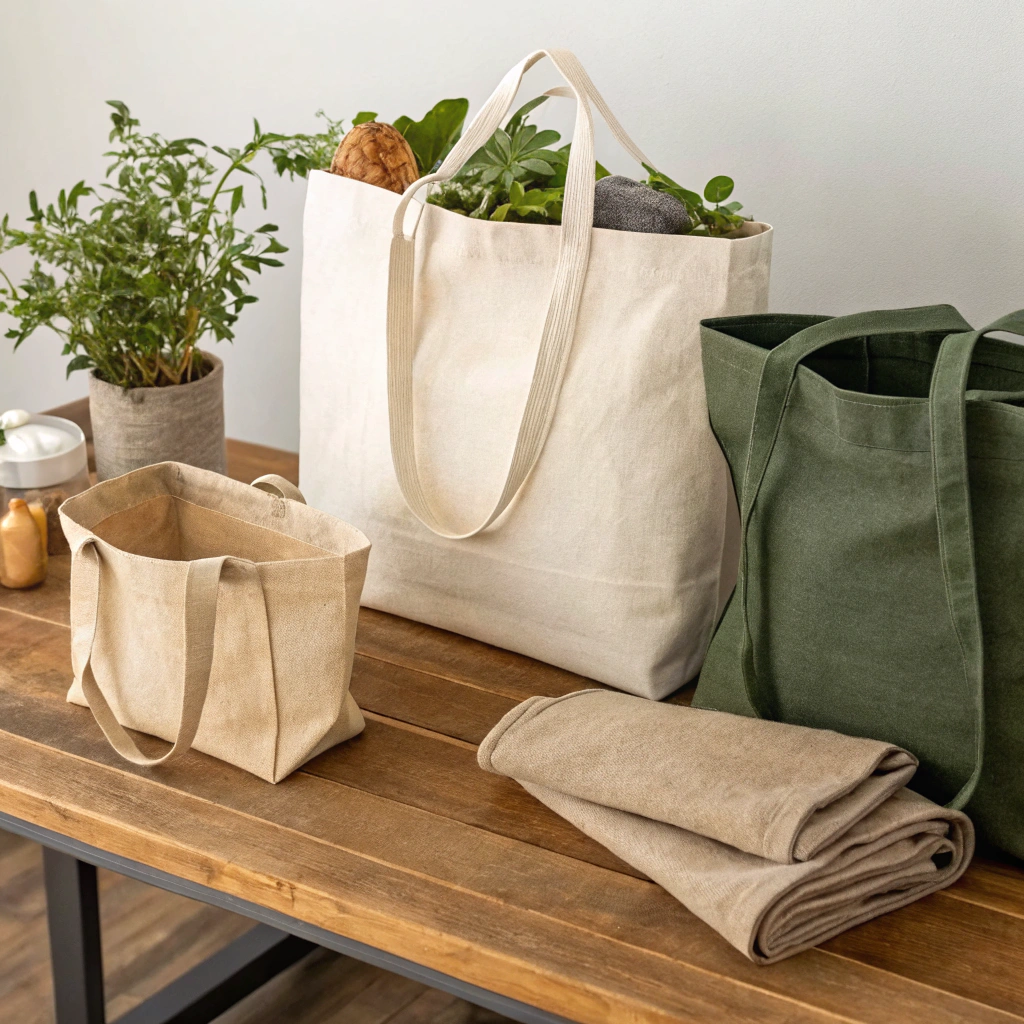
Eco-friendly tote bags available include GOTS-certified organic cotton bags, recycled pre-consumer cotton totes, post-consumer RPET fabric bags, hemp canvas totes, and washable FSC-certified kraft paper bags.
Sustainable Fiber Profiles: Recycled Blends, Hemp, and Circular Design
When evaluating sustainable tote alternatives, examine how raw materials are diverted from waste streams:
- Pre-Consumer Recycled Cotton Totes: These use garment cutting scraps collected from apparel factory floors. The scraps are shredded back into raw fibers and re-spun into yarn, eliminating agricultural water use, chemical pesticides, and raw dyeing stages.
- Hemp Canvas Bags: Industrial hemp grows rapidly with roughly half the water requirement of cotton, yields double the fiber per hectare, and requires virtually zero synthetic pesticides. Hemp fibers are inherently antimicrobial and possess superior tensile strength.
- Washable Kraft Paper Totes: Crafted from FSC-certified wood pulp blended with natural latex, washable paper totes mimic the tactile look and flexibility of leather. They are lightweight, completely tear-proof, washable, and break down cleanly at end-of-life.
For brand managers like Jacky designing sustainable corporate gift packs, selecting a 10 to 12 oz recycled cotton/poly blend tote (GRS-certified) paired with understated blind embroidery provides a refined, tactile corporate gift that directly supports corporate ESG reporting.
Eco-Friendly Tote Substrate | Core Environmental Advantage | Fabric Durability & Texture | Ideal Everyday Application |
|---|---|---|---|
Recycled Cotton (GRS) | Zero virgin irrigation; diverts textile scrap | Soft, mottled natural texture | Daily commuter tote & event merchandise |
Industrial Hemp Canvas | Low water footprint; natural pest resilience | Coarse, structured, ultra-strong | Heavy grocery shopping & outdoor work bags |
Post-Consumer RPET | Repurposes ocean-bound plastic bottles | Water-repellent, smooth, lightweight | Foldable pocket totes & gym grocery packs |
Washable Kraft Paper | Renewable tree cellulose + natural latex | Leather-like crinkle; water-resistant | Modern boutique shopping & tech folios |
Is 100% Cotton Good for Bags?
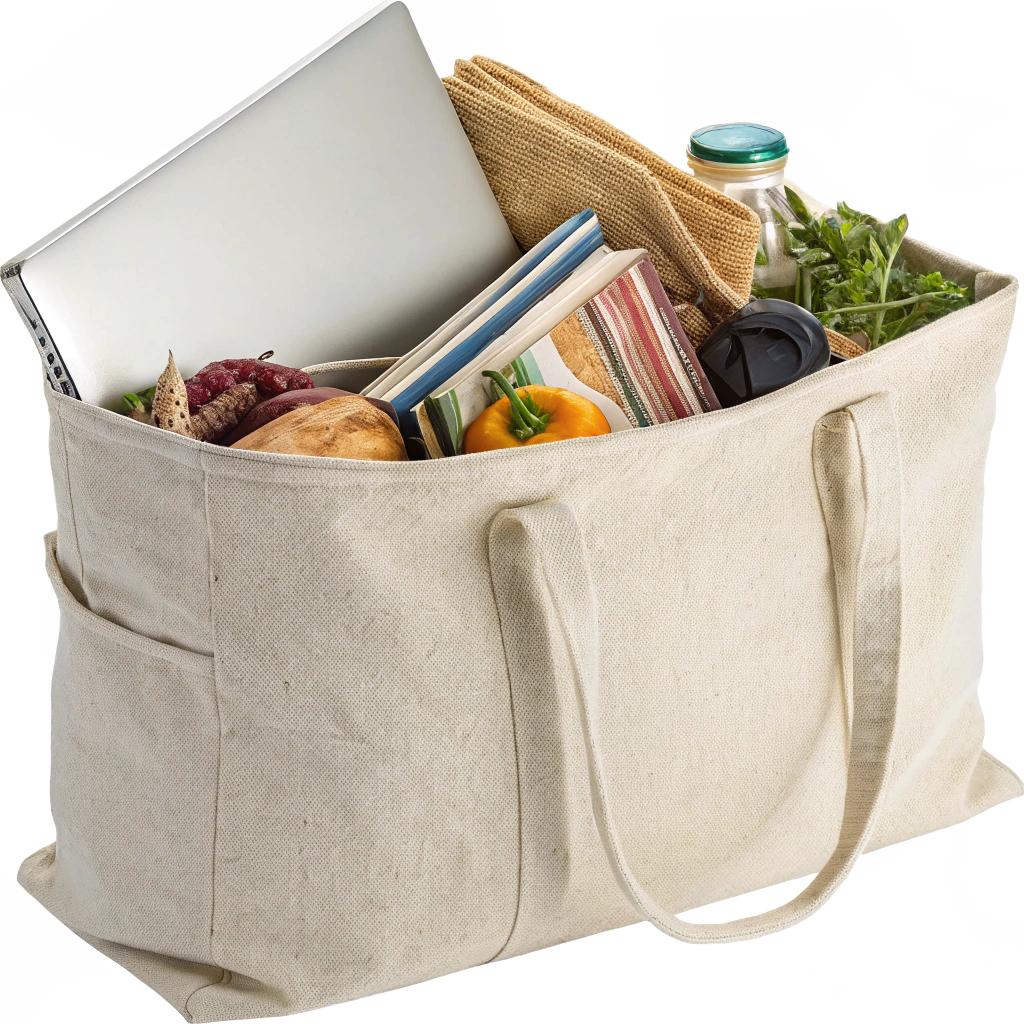
Are you wondering whether 100% pure cotton provides the necessary structural performance for hauling laptops, heavy books, and groceries? Knowing textile characteristics helps you match pure cotton to the right use case.
Yes, 100% cotton is an excellent material for bags because of its breathability, natural skin-friendly hand-feel, biodegradability, and ease of dyeing, provided it is woven at a sufficient weight (10 to 14 oz duck canvas) with reinforced stitching.
Textile Mechanics: Tensile Strength, Shrinkage, and Load Bearing
Pure cotton is a cellulose staple fiber known for its remarkable comfort and natural aesthetic. When spun into tightly twisted multi-ply yarns and woven into a dense basketweave (duck canvas), 100% cotton easily supports payloads exceeding 15 kg without tearing. Unlike synthetic fabrics that can feel slick or generate static electricity, natural cotton drapes comfortably against your hip and breathes naturally.
However, pure cotton has inherent physical limitations that must be managed:
- Moisture & Stain Absorption: Cotton is hydrophilic; it readily absorbs rainwater, spilled coffee, and street dirt. In wet weather, an unlined 100% cotton tote can transfer moisture directly to interior electronics.
- Thermal Shrinkage: Unsanforized (raw) cotton fibers shrink by 5% to 8% when washed in hot water or run through machine dryers. Always wash cotton bags in cold water and air-dry flat.
- Seam Integrity: Pure cotton will fray along raw cut edges. High-quality 100% cotton bags require internal French seams or bias binding, combined with industrial box-and-cross (X-box) stitching at handle stress points to prevent thread pull-out.
Performance Metric | Pure 100% Cotton Duck (12 oz) | Poly-Cotton Blend (65/35) | 100% Polyester Canvas |
|---|---|---|---|
Hand-Feel & Breathability | Soft, matte, completely natural | Smooth, slightly structured | Synthetic, smooth, non-porous |
Tear & Abrasion Strength | High (Multi-ply ring-spun yarns) | Very High (Synthetics reinforce weave) | Exceptional (Continuous filaments) |
Water & Stain Resistance | Low (Absorbs water instantly) | Moderate (Dries faster than cotton) | High (Naturally hydrophobic) |
Machine Wash Shrinkage | 5% to 8% if washed in warm water | Minimal (1% to 2% shrinkage) | Zero shrinkage |
End-of-Life Impact | Fully biodegradable in soil | Non-biodegradable composite | Non-biodegradable (Microplastics) |
Conclusion
Cotton tote bags become truly eco-friendly when treated as long-term utility tools rather than disposable promotional items, maximizing durability, thoughtful reuse, and responsible care to ensure the resources invested in their creation deliver lasting value every day.